National Dish Sri Lanka: Kiri Bath (Recipe)
In this article
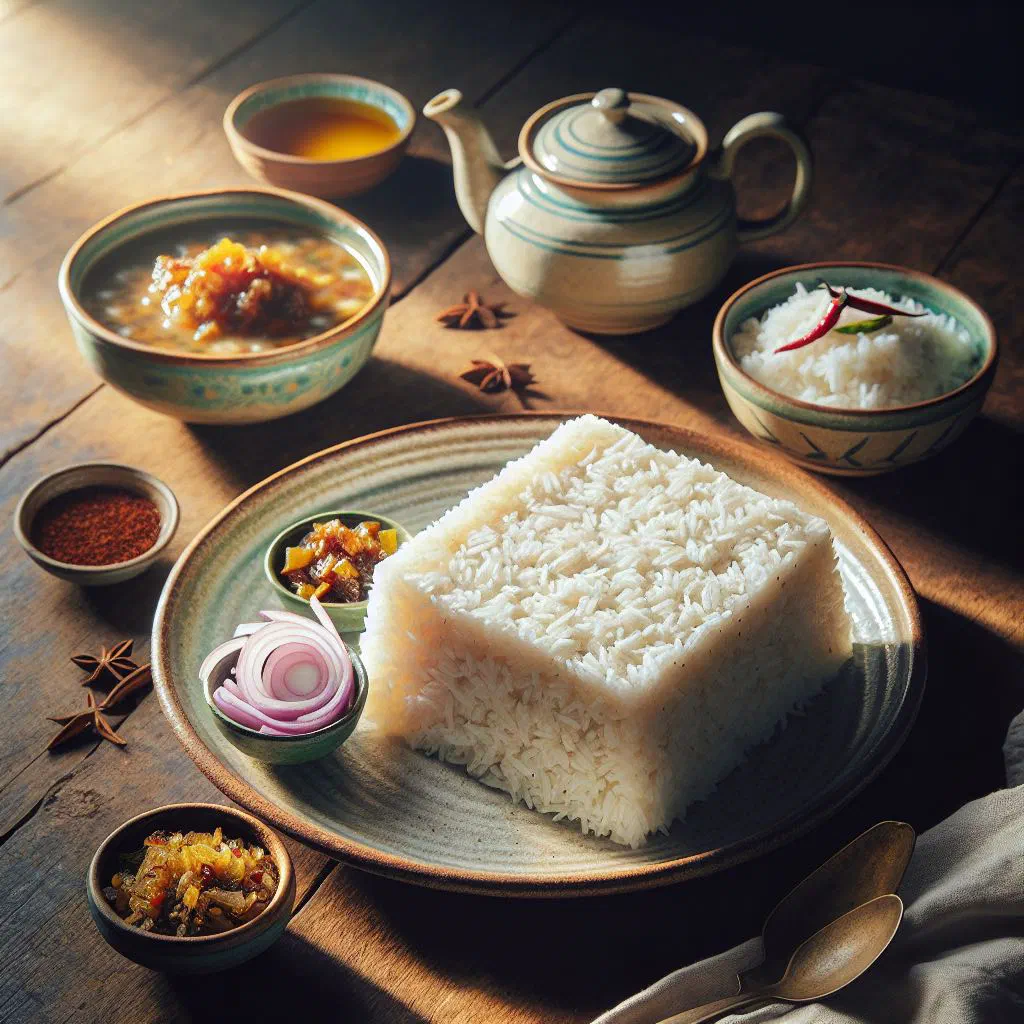
Meet Kiri Bath, the creamy milk rice that Sri Lankans reach for at every joyful milestone, from New Year mornings to a simple family breakfast. Made with little more than rice and rich coconut milk, it is humble comfort food with real cultural weight. The gentle, faintly sweet flavour and soft, sliceable texture make it endlessly welcoming, and it comes together with just a handful of pantry staples. Bring a taste of the island straight to your own table.
About Kiri Bath
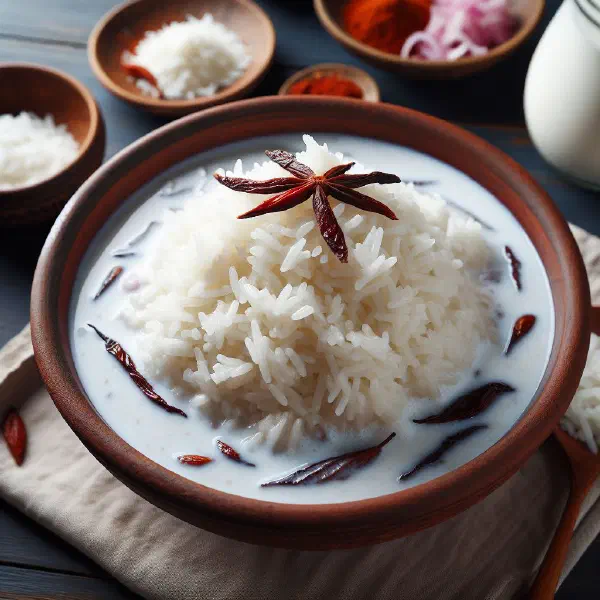
Kiri Bath is a traditional national dish from Sri Lanka, treasured in countless homes as an everyday staple. This wonderful dish is prepared from rice and coconut milk and has a lovely creamy consistency. Kiri bath is usually served with a pinch of salt and appears at both breakfast tables and festive occasions. The combination of rice and coconut milk creates a unique, delicious flavour that reflects the culture of Sri Lanka.
Ingredients (serves 1–2)
- 1 cup rice
- 1 ½ cups coconut milk
- 1 teaspoon salt
- Water (as needed)
Shopping for the ingredients
To make an authentic kiri bath, it is worth using fresh ingredients. Many of them, such as rice and coconut milk, are readily available in most supermarkets and Asian grocery shops. When buying the coconut milk, look for an unsweetened variety with no additives to get the very best flavour. Fresh rice, ideally a short-grain type, gives the perfect consistency and the right aroma in your dish.
Preparing the dish
Preparing kiri bath is simple and genuinely enjoyable. Begin by rinsing the rice thoroughly to wash away excess starch, which keeps the grains from becoming too sticky as they cook. Ideally, let the rice soak in water for around 30 minutes to shorten the cooking time and deepen the aroma. This way the textures and flavours come through at their very best.
Step-by-step instructions
- Wash the rice thoroughly and leave it to soak for 30 minutes.
- Drain off the water and tip the rice into a saucepan.
- Add the coconut milk and the salt.
- Bring everything to the boil, then reduce the heat.
- Cover the pan and let the rice simmer for 15–20 minutes, until soft.
- Stir the mixture to build up the creaminess.
- Serve the kiri bath warm with an accompaniment of your choice.
Gluten-free / lactose-free version
Kiri bath is naturally a gluten-free and lactose-free dish. The ingredients used to make it suit most special dietary needs. If you want to be certain your kiri bath is completely gluten-free, avoid any extra spices or side dishes that might contain gluten. It makes an excellent choice for anyone who needs to steer clear of gluten or lactose.
Tips for vegans and vegetarians
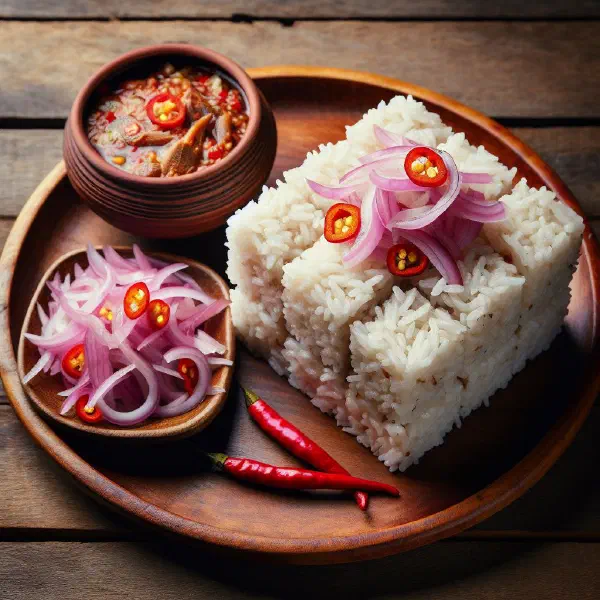
Vegans and vegetarians can enjoy kiri bath with ease, since the main components are already plant-based. Just make sure to choose an unsweetened coconut milk when you shop. To make the dish more varied, you can add fresh vegetables, nuts or seeds on the side. These additions bring flavour and valuable nutrients to your meal. A fiery Lunu Miris is the classic vegan partner that lifts the mild rice beautifully.
More tips and tricks
There are plenty of ways to vary and adapt kiri bath. For example, you can flavour the rice with different spices such as cinnamon or cardamom to create an entirely new taste experience. Adding diced vegetables lets you fold in a healthy note as well. Experiment with different herbs and spices to create your own favourite version of kiri bath.
Adapting the recipe to your taste
Everyone has different preferences, so it is worth tailoring the recipe to your own liking. If you prefer it sweeter, add a tablespoon of chopped coconut or a pinch of sugar. Anyone who enjoys a spicier version can work in a few chillies or a pinch of pepper. Served alongside a spoonful of Pol Sambol, it strikes a lovely balance of creamy and spicy.
Ingredient substitutions
If you do not have the classic ingredients to hand, there are a few alternatives to try. Instead of coconut milk you could use almond milk or oat milk, though this will alter the flavour slightly. Rice lovers who favour other varieties can also use jasmine or basmati rice. These swaps can create exciting new flavour combinations, much as they do in a comforting Coconut Milk Rice.
Drink pairing ideas
Kiri bath pairs wonderfully with a range of drinks. A refreshing coconut water or a fresh fruit juice suits this dish perfectly and complements its flavours. For a heartier combination you might serve a traditional Sri Lankan tea, which charms with its warm, spiced character. Experiment with different drinks to enrich the whole culinary experience.
Serving and presentation ideas
Presentation plays an important part in making kiri bath even more appealing. Traditionally the rice is pressed flat and cut into neat diamond shapes, then arranged on an attractive dish and garnished with fresh coriander or chopped nuts. A thoughtful table setting adds to the sense of occasion. Do not forget to serve the dish warm to guarantee the best flavour and texture.
A bit of history
Kiri bath has a long tradition in Sri Lankan cuisine. Historically it was customary to prepare this dish for special occasions such as weddings and festivals, and it is often the very first meal of the Sinhala and Tamil New Year. The making of kiri bath is frequently tied to good wishes and blessings. This cultural significance makes it an important part of Sri Lankan cuisine, symbolising both hospitality and rich, enduring traditions.
More recipe ideas
Summary: Kiri Bath
In short, Kiri Bath is a delicious and versatile dish that captures the flavours of Sri Lanka. It is simple to prepare and can be adapted to your personal preferences. Whether at festive occasions or as an everyday breakfast, its creaminess and unique flavour make kiri bath a highlight of any meal. Let this good traditional dish inspire you and bring a little Sri Lankan culture to your table.