National Dish Sri Lanka: Kiribath with Lunu Miris (Recipe)
In this article
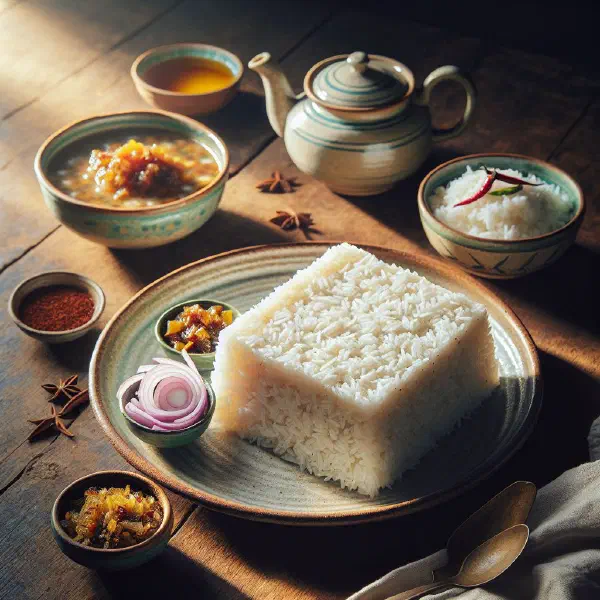
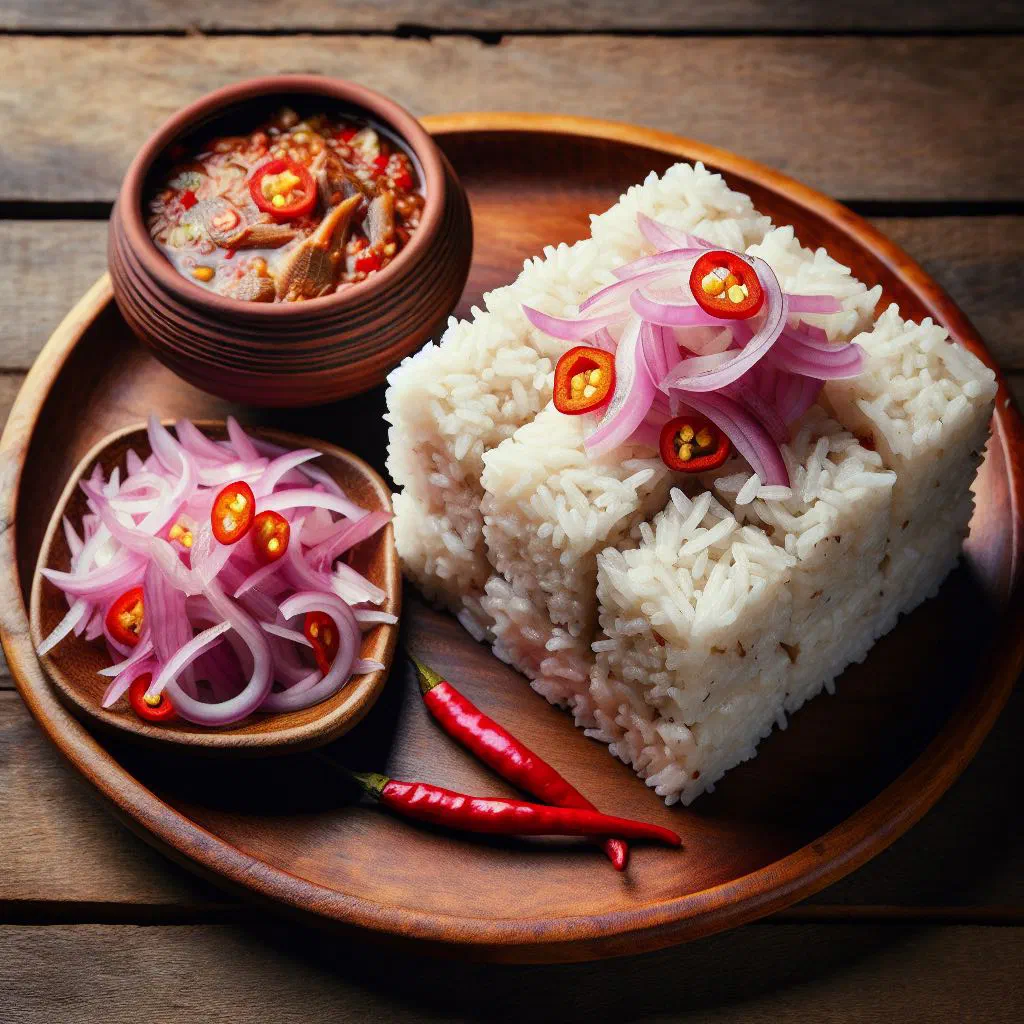
Say hello to Kiribath with Lunu Miris, a dish that sits right at the heart of Sri Lankan celebration. Creamy coconut milk rice is set firm, cut into neat diamonds and paired with a fiery paste of onion and chilli that wakes up every mouthful. Comforting yet full of character, it marks new beginnings, from New Year mornings to a baby’s very first taste of solid food. Bring a little of that island tradition into your own kitchen with this simple, soothing classic.
About Kiribath with Lunu Miris
Kiribath is a much-loved Sri Lankan dish traditionally made from rice and coconut milk. It has a rich, creamy consistency and is often served at special occasions such as festivals and ceremonies. The dish symbolises prosperity and is frequently offered as a newborn child’s very first meal. Kiribath is usually accompanied by Lunu Miris, a punchy paste of onions and chillies that brings an exciting contrast of flavour to the mild, buttery rice.
Ingredients (serves 1–2)
- 1 cup rice (preferably jasmine or basmati)
- 1 cup coconut milk
- 1 cup water
- 1 pinch of salt
- For the Lunu Miris: 1 small onion, 2–3 green chillies, 1/2 teaspoon salt, 1 teaspoon lime juice
Shopping for the ingredients
When shopping for Kiribath, you will find most of what you need in Asian supermarkets or well-stocked grocery shops. Look for fresh coconut milk, as it delivers the best flavour. Rice is a staple in many cultures, and the Sri Lankan varieties often carry distinctive aromas that make the dish unique. If you struggle to track down particular ingredients, there may well be suitable alternatives available locally or online. Coconut is a cornerstone of this island’s cooking, much as it is in a bowl of Coconut Sambol.
Preparing the dish
Preparing Kiribath is straightforward, though it does take a few steps. First, wash the rice thoroughly to remove excess starch. This helps you achieve a better texture, since the dish sticks together more readily and turns out creamier. Next, gather your ingredients for the Lunu Miris paste. This spicy combination complements the gentle flavour of Kiribath beautifully.
Step-by-step instructions
- Tip the washed rice into a pan and add the water along with a pinch of salt.
- Bring to the boil, then reduce to a low heat. Let the rice cook for around 15 minutes until soft.
- Add the coconut milk and continue to simmer until the mixture turns creamy.
- Turn the rice out into a mould or onto a plate and press it down firmly.
- For the Lunu Miris, pound the onion and chillies together with the salt in a mortar. Add the lime juice and mix well.
- Cut the Kiribath into pieces and serve with the Lunu Miris alongside.
Gluten-free / lactose-free version
Happily, Kiribath is naturally gluten-free and lactose-free. The main ingredients, rice and coconut milk, contain no gluten and no dairy, which makes the dish an ideal choice for anyone with special dietary needs. Just make sure to prepare the Lunu Miris yourself, too, using ingredients free from gluten or lactose.
Tips for vegans and vegetarians
Another advantage of Kiribath is its versatility. Both vegans and vegetarians can enjoy this dish without a second thought. The use of coconut milk provides a rich flavour, while the ingredients in the Lunu Miris are entirely plant-based. There are plenty of ways to vary the dish, too, by adding different spices or vegetables to suit your own way of eating.
More tips and tricks
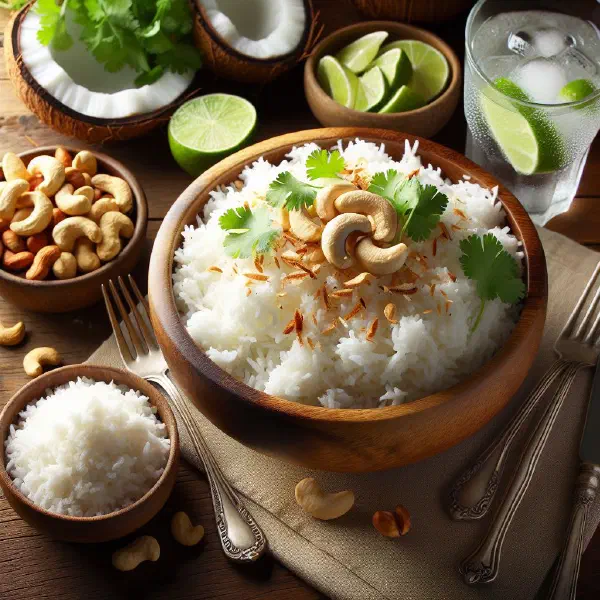
A quick tip for an even better texture is to stir a small amount of desiccated coconut into the rice while it cooks. This lends the dish extra body and flavour. Bear in mind, too, that using fresh ingredients, especially when making the Lunu Miris, can improve the whole taste experience considerably. Play with the heat by adjusting the number of chillies to your personal preference.
Adapting the recipe to your taste
Kiribath is easy to adapt to personal preference. If you like a sweeter note, add a little sugar or honey to the coconut milk. For a heartier version, try stirring in vegetables such as carrots or peas as the rice cooks. When making the Lunu Miris, you can also add herbs like coriander or a touch of pepper to create extra layers of flavour.
Ingredient substitutions
If you do not have coconut milk to hand, you can use almond milk as an alternative, although this will change the flavour. When it comes to rice, there are many varieties to experiment with, including brown rice or quinoa, which make the dish more nutritious. Just be sure to adjust the cooking time accordingly, as different rices call for different simmering times. A gentle lentil dish such as Dhal Curry makes an easy addition if you want to build a fuller plate.
Drink pairing ideas
Traditional Sri Lankan drinks such as tea or fresh coconut water pair wonderfully with Kiribath. A lightly sweetened cup of Ceylon tea rounds the dish off perfectly. For something more refreshing, fruit juices offer a lovely contrast to the mild, buttery flavour, a chilled Mango Lassi is especially good. For a special occasion, a glass of red wine could also work nicely to lift the aromas.
Serving and presentation ideas
To present Kiribath attractively, press the slightly cooled rice into a mould and cut it into slices or even diamond-shaped pieces. A banana leaf underneath lends the dish an authentic Sri Lankan touch. Serving the Lunu Miris in a small dish beside the Kiribath makes the presentation feel complete and inviting. Do not forget to add fresh herbs or edible flowers for decoration. It sits beautifully next to lacy Hoppers on a shared table.
A bit of history
Kiribath has a long history in Sri Lankan culture and is often called the “breakfast of kings”. It is prepared on festive days and for other important occasions to symbolise prosperity and good fortune. Traditionally, Kiribath is served at weddings, New Year celebrations and other cultural festivals, which gives it an important role in the Sri Lankan community. Paired with Lunu Miris, it creates a harmonious interplay of flavours that underlines the cultural significance of this staple of Sri Lankan cuisine.
More recipe ideas
Summary: Kiribath with Lunu Miris
All in all, Kiribath is a wonderful example of Sri Lankan cooking, captivating with its flavours and traditions. The combination of creamy rice and spicy Lunu Miris makes this dish a feast for the palate. Whether for special occasions or simply for the pleasure of it, Kiribath offers a delicious way to dive into the culture of Sri Lanka. Give it a try and discover just how easy it is to prepare this traditional speciality at home.