National Dish Sri Lanka: Maldivian Fish Sambol (Recipe)
In this article
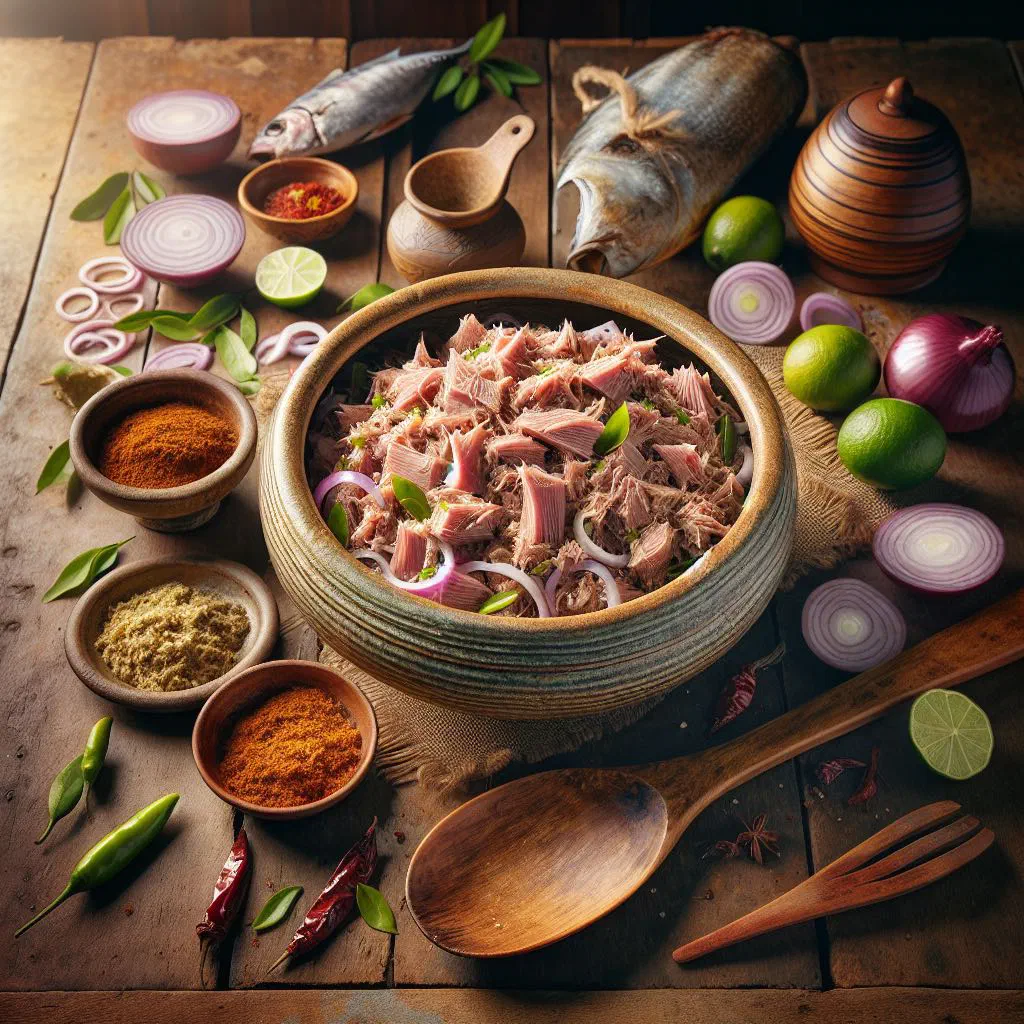
Discover Maldivian Fish Sambol, a fiery highlight of Sri Lankan cooking. This bright dish brings together freshly caught fish, aromatic spices and a bold hit of chilli heat. Zesty with lime and studded with grated coconut, it makes a punchy side for a plate of rice or a moreish snack for a get-together. Bring a taste of the island’s sun-soaked coast straight to your own kitchen.
About Maldivian Fish Sambol
Maldivian Fish Sambol is a genuine highlight of Sri Lankan cooking, offering an exquisite blend of freshly caught fish, fragrant spices and a lively, piquant heat. The dish reflects the island’s cultural diversity while showing just how deeply seafood is woven into the regional diet. It is most often served as a side to rice or enjoyed as a tasty snack, making it ideal for sociable occasions. The use of local ingredients gives it a distinctive character that turns every mouthful into an experience.
Ingredients (serves 1–2)
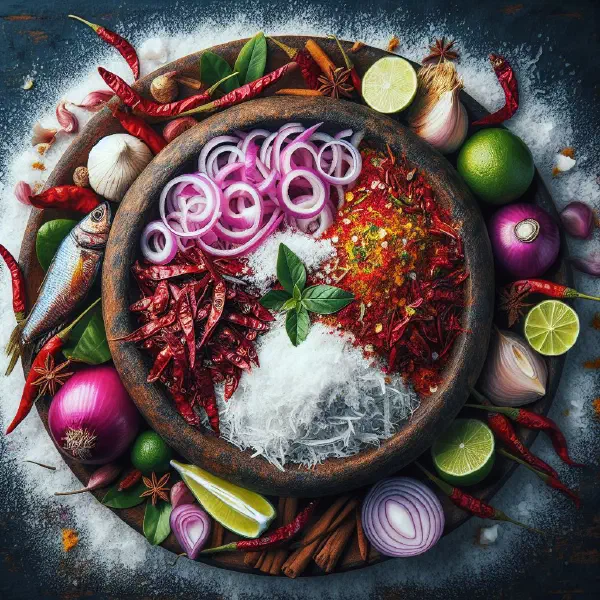
- 250 g freshly caught fish (such as tuna or mackerel)
- 1 small onion, finely chopped
- 2–3 green chillies, finely chopped
- 1 tablespoon lime juice
- 1 teaspoon cherry paprika (or paprika powder)
- 2 tablespoons grated coconut
- Salt to taste
Shopping for the ingredients
To get the very best flavour from your Maldivian Fish Sambol, choosing the right ingredients is key. Visit a local market or a specialist fishmonger to pick out fresh fish. Make sure it has a clean, fresh smell and clear eyes. The other ingredients, onions, green chillies and grated coconut, should be equally fresh and of good quality so the dish reaches its full flavour potential.
Preparing the dish
Preparing Maldivian Fish Sambol is relatively straightforward and takes only a few steps. Begin by cleaning the fish thoroughly and cutting it into small pieces. The onions and chillies should also be finely chopped to ensure the flavours are spread evenly through the dish. Add the lime juice just before mixing, so its freshness and aroma are preserved at their best.
Step-by-step instructions
- Combine the freshly caught fish with the lime juice in a bowl.
- Add the chopped onion, green chillies, cherry paprika and grated coconut.
- Mix everything well and season with salt to taste.
- Leave the sambol to rest for around 15 minutes so the flavours can meld together.
- Stir again just before serving and adjust the seasoning if needed.
Gluten-free / lactose-free version
For anyone with particular dietary needs, Maldivian Fish Sambol is an ideal choice, as it is naturally gluten-free and lactose-free. Simply take care to use fresh, unprocessed ingredients to keep the dish pure.
Tips for vegans and vegetarians
If you would rather go plant-based, you can swap the fish for a mixture of tofu or vegetables to achieve a similar flavour. Combine tofu with the same spices and the same method for a vegan sambol, keeping the dish’s intense aromas intact while making it entirely meat-free. Experimenting with different vegetable combinations can also lead to exciting new flavours, much in the spirit of a hearty Mallung.
More tips and tricks
For a perfect Maldivian Fish Sambol, remember that fresh, high-quality ingredients make all the difference. Play around with the level of heat to suit your taste, adjusting the number of chillies as you like. You can also tailor the recipe by adding extra herbs such as coriander or mint for a fresh lift. Always serve the sambol freshly made to enjoy the fullest flavours.
Adapting the recipe to your taste
Maldivian Fish Sambol is extremely adaptable. You can try different types of fish depending on availability and personal preference. The seasoning, too, can be dialled up or down; if you like it milder, simply reduce the number of chillies. A lovely finishing touch is a scattering of fresh herbs or a squeeze of lime juice just before serving.
Ingredient substitutions
If some of the ingredients for Maldivian Fish Sambol are hard to find, there are plenty of alternatives. Instead of fresh fish you can use tinned seafood, while the grated coconut can be replaced with a shop-bought alternative when fresh is not available. This keeps the preparation flexible and in step with what is in season, a similar spirit of thrift shines in a good Coconut Sambol.
Drink pairing ideas
A range of drinks pairs nicely with your Maldivian Fish Sambol, complementing the dish’s bold flavours. A cold, light beer or a fruit-based cocktail makes an excellent companion. For an alcohol-free option, serve a refreshing lemonade or a cooling mint water to balance the heat of the food. Drinks like these round off a thoroughly satisfying culinary experience.
Serving and presentation ideas
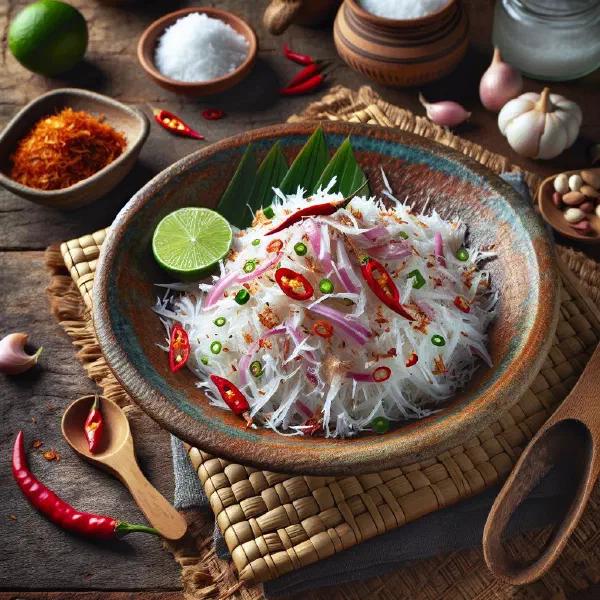
An attractive presentation heightens the whole Maldivian Fish Sambol experience. Serve the dish in a handsome bowl topped with an extra wedge of lime and a scattering of fresh herbs. A colourful arrangement of the sambol alongside a side dish on a plate makes for an inviting spread. We eat with our eyes first, after all, and a lovely presentation turns a meal into a special occasion. It works beautifully next to a bowl of Coconut Milk Rice.
A bit of history
Maldivian Fish Sambol has its roots in the traditional cooking of Sri Lanka, where fish plays a central role. It reflects the lived connection between water and land, and is often served at feasts and family gatherings. Historically, the dish also draws on influences from Maldivian cuisine, where fresh seafood is refined with a wealth of spices. This gastronomic bond between the islands makes the sambol a truly unique part of Sri Lankan cuisine.
More recipe ideas
Summary: Maldivian Fish Sambol
Maldivian Fish Sambol is more than just a dish; it is a taste experience that brings the culture and tradition of Sri Lanka to the table. With its intense flavours and simple preparation, it is a perfect example of the island’s versatile cooking. This fish sambol wins people over with its wide range of variations and adaptability. Let this exotic cuisine inspire you and bring a little piece of Sri Lanka into your own home.