National Dish Sri Lanka: Parippu Wade (Recipe)
In this article
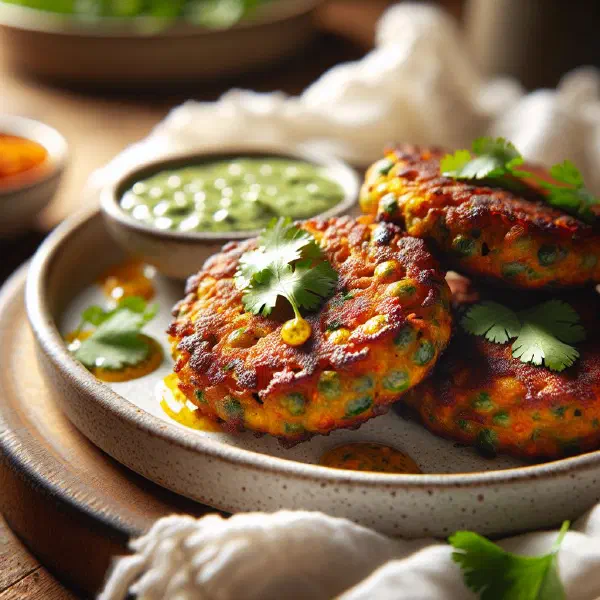
Meet Parippu Wade, the crunchy lentil fritters that Sri Lankans reach for whenever they fancy a savoury snack. Sold at roadside stalls, tea shops and train stations across the island, these little golden nuggets combine a soft, spiced centre with a wonderfully crisp shell. Fragrant with cumin and fresh green chilli, they are entirely plant-based, naturally gluten-free and very good straight from the pan. Bring a taste of Sri Lanka’s busy street-food scene into your own kitchen.
About Parippu Wade
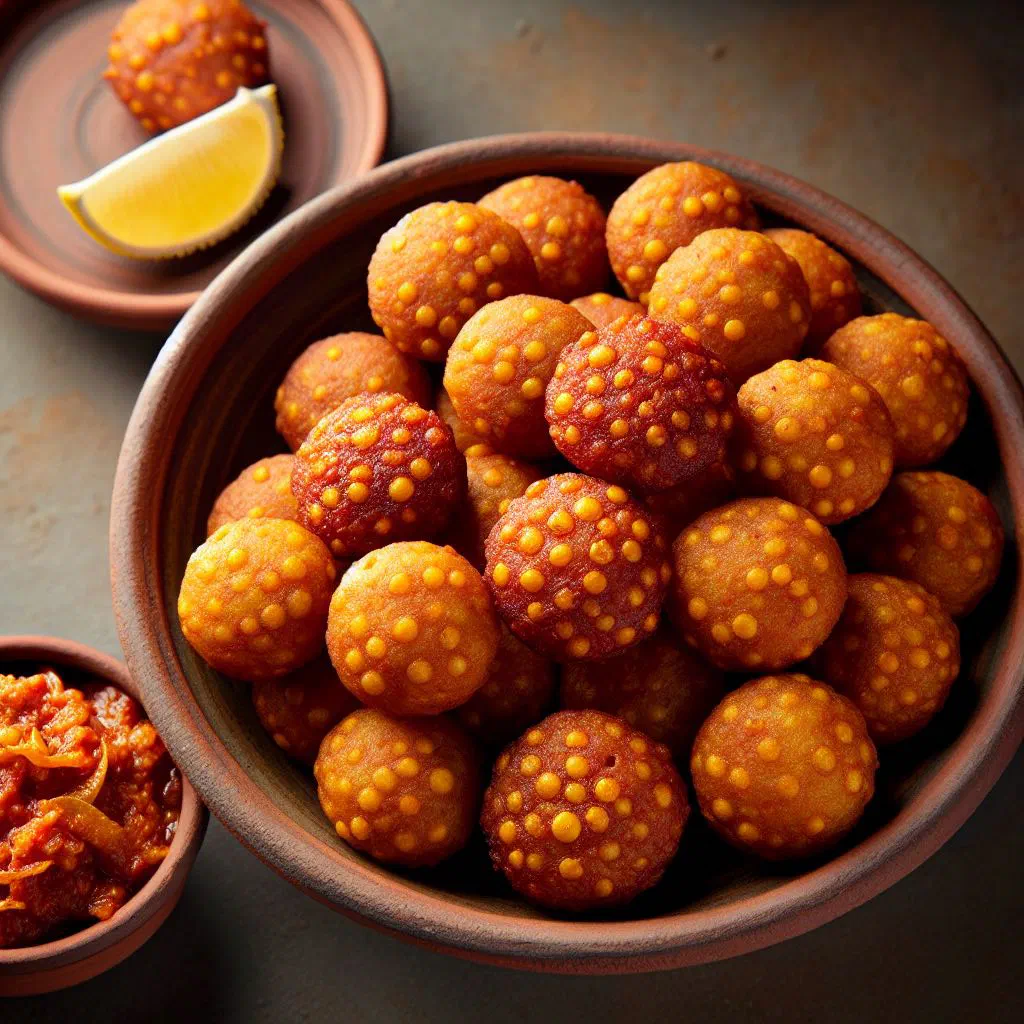
Parippu Wade are crisp lentil fritters that make a hugely popular snack in Sri Lanka. These little treats are built around plant-based protein and are packed with layers of flavour. A tender, savoury centre is wrapped in a crunchy crust, seasoned with a combination of aromatic spices. Parippu Wade suit any occasion and are loved by young and old alike.
Ingredients (serves 1–2)
- 1 cup red lentils
- 1 small onion, finely chopped
- 2 green chillies, finely chopped
- 1 teaspoon cumin
- 1 teaspoon salt (to taste)
- Oil, for deep-frying
- Fresh coriander, chopped (optional, to garnish)
Shopping for the ingredients
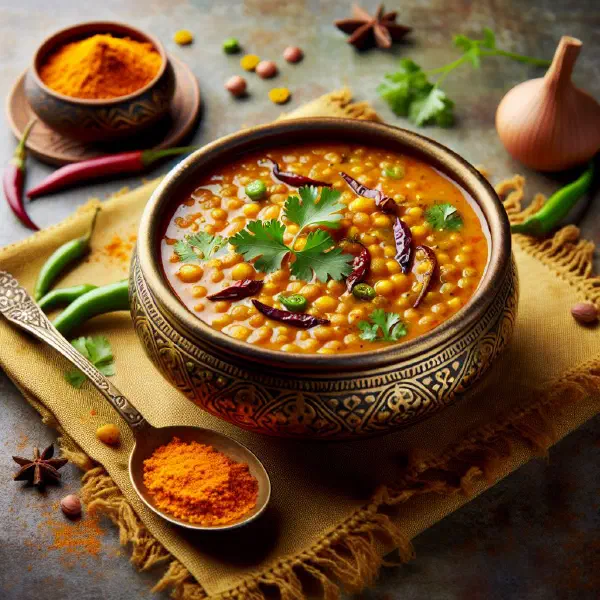
All the ingredients for Parippu Wade are easy to find in most supermarkets or Asian grocery shops. Red lentils are a favourite in vegetarian and vegan cooking, since they cook quickly and offer an excellent source of protein. When shopping, look out for fresh spices, as these have a decisive influence on the flavour of the dish. Cumin and fresh coriander give the fritters an especially authentic aroma. If you enjoy pulses like these, you might also like a comforting bowl of Dhal Curry.
Preparing the dish
Making Parippu Wade begins with soaking the lentils. It is a good idea to soak them in water for at least an hour, which improves their texture and helps them cook more quickly. Meanwhile, you can prepare the other ingredients, such as the onion and chillies. This groundwork ensures that everything blends together well, which is key to the finished flavour.
Step-by-step instructions
- Drain the soaked lentils and put them into a food processor together with the onion, chillies and spices.
- Blitz the mixture to a coarse paste. It should hold together well but not become too smooth.
- Heat a small amount of oil in a pan or deep-fryer.
- With wet hands, shape small balls and carefully lower them into the hot oil.
- Fry the fritters until golden brown, then drain on kitchen paper.
Gluten-free / lactose-free version
The recipe for Parippu Wade is naturally gluten-free and lactose-free, which makes it an ideal choice for anyone with intolerances. The main ingredient, red lentils, contains no gluten and is perfect for a gluten-free diet. The remaining ingredients suit most diets too, as long as you keep an eye on the frying oil you choose.
Tips for vegans and vegetarians
Because Parippu Wade is a purely plant-based dish, it is a brilliant option for vegans and vegetarians. To adapt the recipe further, you could add extra vegetables such as carrots or spinach. These bring flavour and an added boost of nutrients. You can also vary the spices to discover new flavour profiles and tailor the dish to your own liking.
More tips and tricks
One important tip when making Parippu Wade is to preheat the oil properly so the fritters fry evenly. You can also cook a small test batch to make sure the mixture has the right consistency. Many households recommend frying the fritters in batches, which helps them turn out crisp and golden. And remember to lightly wet your hands when shaping the balls to stop the mixture sticking.
Adapting the recipe to your taste
If you do not have red lentils to hand, you can also use yellow lentils, which deliver a similarly good flavour. Instead of green chillies, milder peppers work well to make the dish less fiery. Beyond that, you can fold in various vegetables or pulses as you please to create new aromas. With these tweaks the dish stays flexible and easy to make your own, much like a versatile bowl of Parippu.
Ingredient substitutions
If certain ingredients are missing, there are plenty of creative alternatives for Parippu Wade. Swapping red lentils for yellow lentils gives an equally tasty result, while milder peppers stand in nicely for hot green chillies. You can also introduce different vegetables or pulses to suit the season or your mood. Substitutions like these keep the recipe adaptable and easy to personalise.
Drink pairing ideas
Parippu Wade pairs beautifully with a light, refreshing drink such as coconut water or a sweet fruit smoothie to round off the aromas of the spices. A cup of spiced Sri Lankan tea is also a delicious companion. If you prefer something alcoholic, a light beer or a white wine complements the savoury, spiced flavours of the dish. Combinations like these turn the meal into a memorable experience.
Serving and presentation ideas
Hearty, crunchy Parippu Wade look especially inviting arranged on a platter with fresh coriander and lime wedges. Serve the dish in a rustic basket or on a brightly coloured plate to bring out the warm tones of the spices. A pretty bowl of spicy sauce alongside gives your guests a tasty way to intensify the flavour, a fresh Coconut Sambol works wonderfully here. That way your meal is as pleasing to the eye as it is to the palate.
A bit of history
Parippu Wade has its roots in the rich, varied culture of Sri Lanka and reflects the traditional cooking of the region. These fritters are part of the nation’s cultural identity and festivities. The combination of spices and lentils mirrors the agricultural way of life and the culinary skill of the people. It is fascinating to see how such simple ingredients can be transformed into a dish so full of flavour, one that captures the very soul of Sri Lankan cuisine.
More recipe ideas
Summary: Parippu Wade
In summary, Parippu Wade is a delicious snack and an easy-to-make, healthy and protein-rich food. Its variety of flavours and textures makes it a much-loved dish in Sri Lanka and beyond. It suits a range of dietary needs and adapts without any fuss. Give this dish a go in your own home and enjoy the flavours of the tropical island of Sri Lanka.