National Dish Sri Lanka: Peanut Sambol (Recipe)
In this article
Discover Peanut Sambol, a bright little side dish that captures the sunny flavours of Sri Lanka in a single spoonful. Toasted peanuts are crushed together with fresh herbs, onion and fiery chillies to create a punchy relish that livens up any plate of rice. Quick to throw together and endlessly customisable, it works just as well as a scattering over your dinner or as a moreish dip for sharing. Bring a taste of the island straight to your own table.
About Peanut Sambol
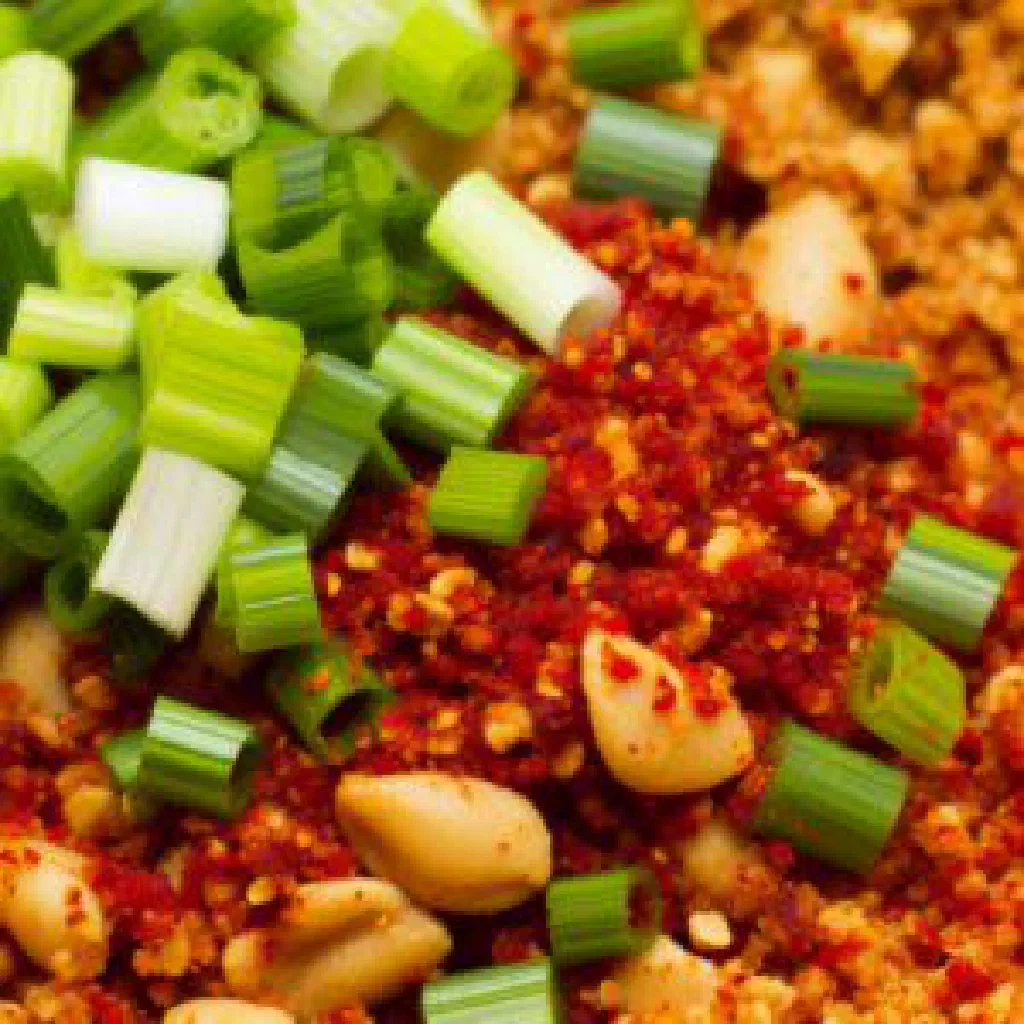
Peanut Sambol is a traditional Sri Lankan dish that reflects the variety and richness of the island’s cooking. It brings together roasted peanuts worked into an aromatic blend of fresh herbs and spices to create a bold, exciting combination of flavours. Most often it is served as a side to rice or as a dip, and it carries the warm, sunny character of Sri Lankan food in every bite. Simple yet full of personality, it turns an everyday meal into something memorable.
Ingredients (serves 1–2)
- 100 g roasted peanuts
- 1 small onion, finely chopped
- 1–2 red chillies, depending on how hot you like it
- 1 tablespoon lemon juice
- 1/4 teaspoon salt
- Fresh coriander or spring onions, to garnish
Shopping for the ingredients
The ingredients for peanut sambol are easy to find in most Asian grocery shops or a well-stocked supermarket. When buying the peanuts, look for ones that are unsalted and roasted to get the fullest flavour. Chillies come in many varieties, so you can dial the heat up or down to suit your taste. Don’t forget fresh herbs such as coriander or spring onions, which give the dish its bright, fresh finish.
Preparing the dish
Preparing peanut sambol could hardly be simpler, and it comes together in minutes. Start by roughly chopping the peanuts so they mix easily with the other ingredients. Finely chop the onion and the chillies to make sure they are evenly distributed through the sambol. This little bit of groundwork ensures the flavours meld beautifully when everything is combined, giving you a well-balanced result.
Step-by-step instructions
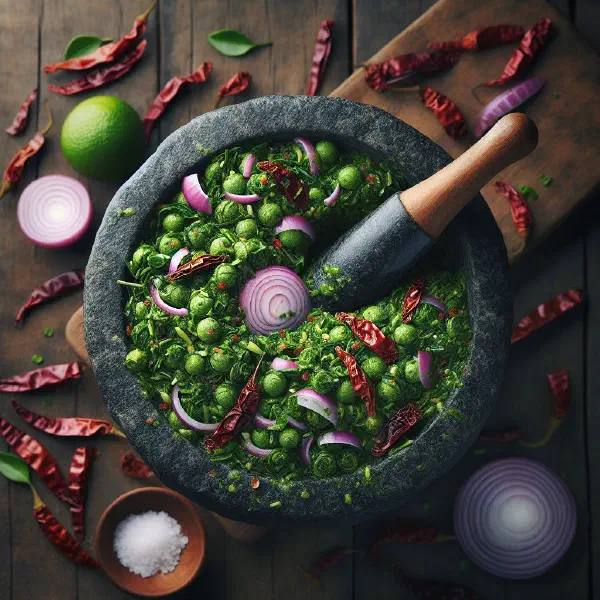
- Tip the roasted peanuts into a bowl and crush them coarsely using a pestle and mortar or a mini chopper.
- Add the finely chopped onion and the chillies.
- Pour the lemon juice over the mixture and season with salt.
- Mix everything together well until you have an even, cohesive texture.
- Garnish with fresh coriander or spring onions and serve with rice or as a dip.
Gluten-free / lactose-free version
Peanut sambol is naturally gluten-free and lactose-free, which makes it an ideal choice for anyone with those intolerances. Since none of the main ingredients contain gluten or dairy, you can enjoy it without a second thought. Just take care to check your peanuts and spices for cross-contamination if you are sourcing them from specialist gluten-free suppliers. That way you can be sure your dish is both delicious and easy to digest.
Tips for vegans and vegetarians
Peanut sambol is a vegan dish that vegetarians and vegans alike can enjoy without any changes. The combination of nuts and herbs provides a generous source of plant-based protein and nutrients. If you would like a little more texture, try folding in extra vegetables such as grated carrot or diced pepper. These additions bring more nourishment and extra colour and flavour to the plate.
More tips and tricks
To get the very best from your peanut sambol, roast the peanuts fresh for a deeper, more intense aroma. If you want to stretch the dish further, simply increase the amount of onion or herbs. Experiment with different chilli varieties to give the sambol a new character and tune it to your own taste. Above all, make the sambol fresh, as its flavours are at their liveliest straight after mixing.
Adapting the recipe to your taste
The beauty of peanut sambol is how easily it bends to personal preference. Fans of fiery food can add more chillies, while those who prefer things milder can hold back on the heat. You could also try other nuts such as cashews or almonds for a different texture and taste, much like the richness that shines in a Cashew Curry. Feel free to play with creative variations until the dish suits you perfectly.
Ingredient substitutions
If you don’t have roasted peanuts to hand, toasted sunflower seeds make a good stand-in for a similar flavour. In place of the onion you could use spring onions or shallots for a milder note. And rather than lemon juice, a squeeze of lime juice offers the same fresh lift. Swaps like these make it easy to adapt the recipe to your own preferences or to whatever you have available.
Drink pairing ideas
Peanut sambol pairs well with refreshing drinks that underline and balance its flavours. A cooling iced tea is an excellent choice to complement the spices, while something as simple as a glass of water with lemon slices harmonises nicely too. If you fancy something alcoholic, a light white wine rounds off the dish beautifully without overpowering it.
Serving and presentation ideas
The presentation of peanut sambol can be a real eye-catcher. Serve it in an attractive bowl and garnish with fresh herbs or a scattering of chopped nuts. A few colourful strips of vegetable, or even small edible flowers, can add a festive touch. You might also arrange the sambol on a large platter alongside rice and other sides, perhaps a Coconut Sambol or a bowl of Dhal Curry, to create a harmonious spread.
A bit of history
The origins of peanut sambol lie in Sri Lankan cuisine, which has been shaped by Indian, Arab and European culinary influences. The use of peanuts and spices reflects a culture and tradition that prizes creative, aromatic combinations. Across Sri Lanka, sambol is prepared in countless variations, with almost every household guarding its own secret recipe. Peanut sambol is one of the best known of these and a firm favourite in the island’s home cooking.
More recipe ideas
Summary: Peanut Sambol
Peanut sambol is a delicious, easy-to-make dish that brings the flavours and culture of Sri Lanka into your home. With its combination of roasted peanuts, fresh herbs and fiery spices, it is a fine example of the variety found in Sri Lankan cuisine. Experiment with different ingredients and variations to find your own personal favourite, and enjoy a journey into the exotic world of Sri Lankan cooking.