National Dish Sri Lanka: Rice Flour String Hoppers (Recipe)
In this article
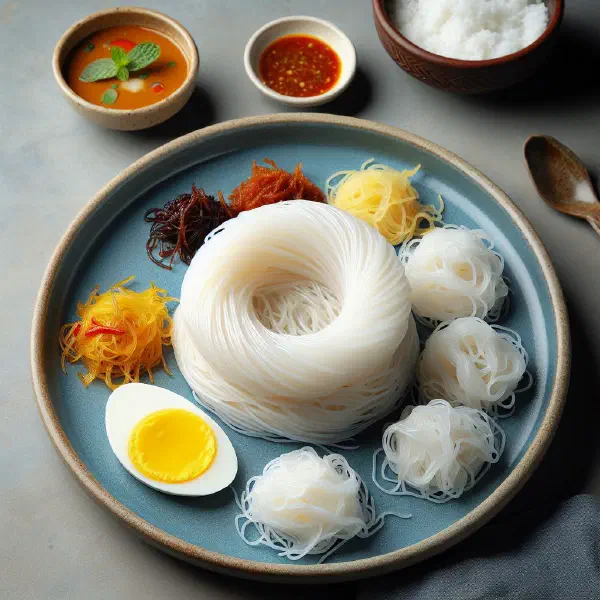
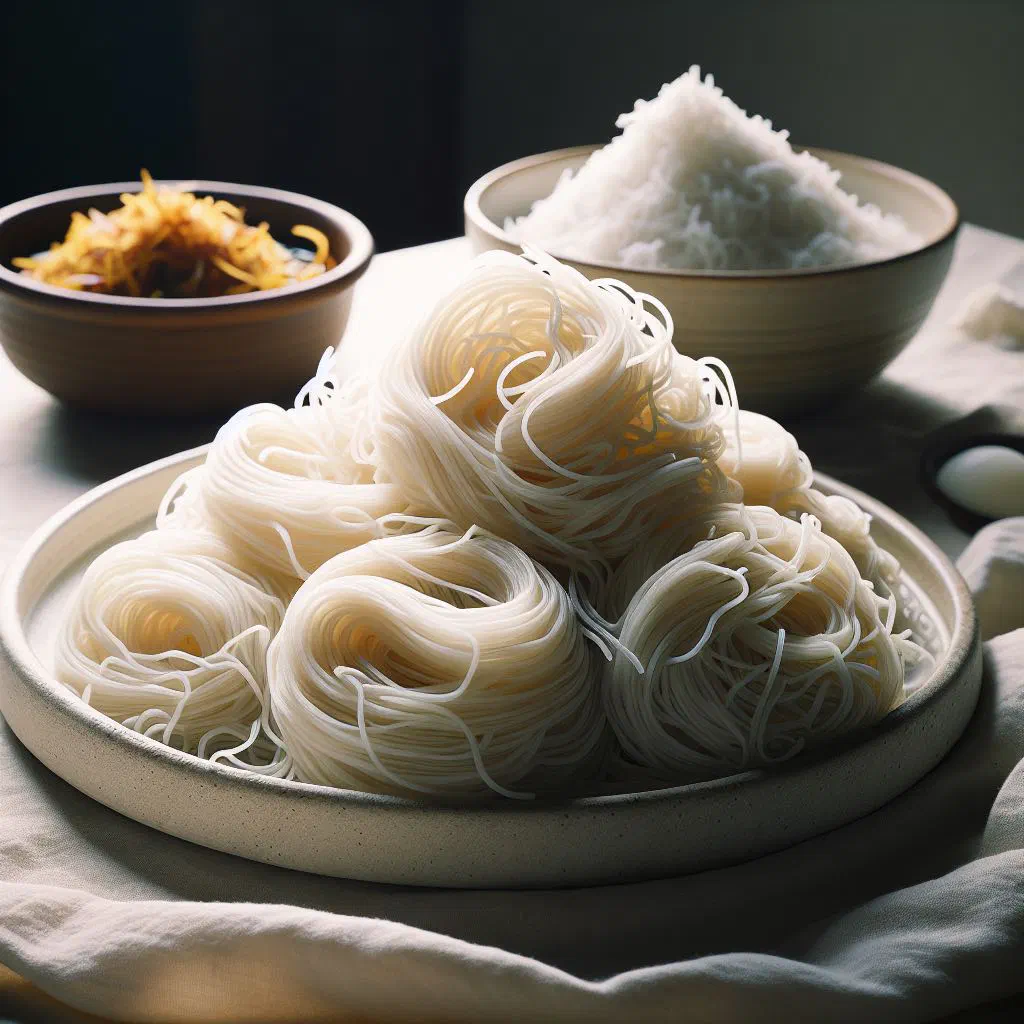
Meet Rice Flour String Hoppers, one of Sri Lanka’s most beloved everyday staples. Made from little more than rice flour and water, these delicate lace-like nests are pressed into fine strands and gently steamed until soft and springy. Light yet satisfying, they soak up spiced curries beautifully and turn an ordinary breakfast into something quietly special. Bring the gentle, fragrant flavours of the island straight into your own kitchen.
About Rice Flour String Hoppers
Rice Flour String Hoppers, also known as Idiyappam, are a traditional dish from Sri Lanka made from a simple dough of rice flour and water. These tender, steamed strands are easy to prepare and wonderfully versatile. They can be served with a range of spicy curries as well as with sweeter accompaniments, which makes them a much-loved highlight of any meal. They sit comfortably alongside classics like Hoppers and Pittu on the Sri Lankan breakfast table.
Ingredients (serves 1–2)
- 1 cup rice flour
- 1/2 cup water (as needed)
- 1 pinch of salt
- 1 tablespoon grated coconut (optional)
- Ghee or oil (for the mould)
Shopping for the ingredients
You do not need many ingredients to make Rice Flour String Hoppers. The most important element is rice flour, which is available in most Asian grocery shops and health-food stores. Choose a good-quality rice flour to get the best results in both texture and taste. The remaining ingredients, such as salt and grated coconut, are also easy to find and lend the dish an extra layer of flavour.
Preparing the dish
First, it is important to bring the dough together thoroughly. The rice flour is combined with a pinch of salt and, if you like, some grated coconut. Once you have added the water little by little, knead the dough until it is smooth and firm. It is best to let it rest for a few minutes so it can absorb the moisture and the flavours can develop.
Step-by-step instructions
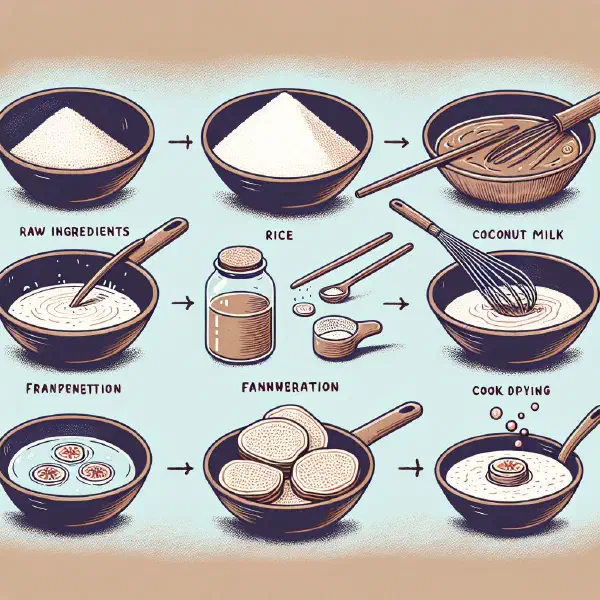
- Prepare the dough from rice flour, water and salt.
- Fill a steamer or a large pot with water and bring it to the boil.
- Use a string hopper press to shape the dough into fine strands over small woven mats.
- Place the shaped nests in the steamer and steam them for about 5–7 minutes.
- Serve the freshly made string hoppers with your favourite curry or a sweet accompaniment.
Gluten-free / lactose-free version
Since rice flour is naturally gluten-free, this dish is ideal for anyone with a gluten intolerance. The recipe also contains no lactose-based ingredients, so it can be enjoyed by people with a lactose intolerance too. If you want to keep the dish strictly gluten-free, make sure no blended flours or gluten-containing ingredients slip in. Adaptations like these make the dish accessible to a much wider group of people.
Tips for vegans and vegetarians
Rice Flour String Hoppers are naturally vegan and perfectly suited to vegetarians. If you would like to give the dish a little more character, you can experiment with different accompaniments. A few vegetables or plant-based proteins can be worked into the meal, for example. A coconut curry or a Dhal Curry pairs beautifully alongside, adding both flavour and nourishment.
More tips and tricks
For the best results, take care not to set the steamer temperature too high, as this can dry the string hoppers out. You can also shape the strands neatly and evenly by making sure the dough is neither too wet nor too dry. If you would like to prepare the string hoppers a day ahead, they keep well in the fridge. Simply steam them again briefly before serving.
Adapting the recipe to your taste
The lovely thing about Rice Flour String Hoppers is how easily they can be adapted to different tastes. Play with the flavours by working spices such as cumin or coriander into the dough. You can also vary the accompaniments to lean sweeter or spicier, much as you would with a fragrant Kiri Hodi. Think about offering a selection of different dips or sauces on the side.
Ingredient substitutions
If you do not have every ingredient to hand, there are a few alternatives worth trying. In place of water you can use coconut milk to give the dough a subtly sweeter note. You can also leave out the salt if the accompaniments provide enough seasoning of their own. And if you do not own a string hopper press, a piping bag or even a simple spoon will do the job of shaping the strands.
Drink pairing ideas
To round off the experience of Rice Flour String Hoppers, several drinks pair wonderfully with them. A refreshing coconut smoothie or a glass of fresh mango juice complements the flavours perfectly, a Mango Lassi is another lovely choice. For those who enjoy alcohol, a lighter beer or a crisp white wine also makes a pleasant match. These drinks help bring the exotic atmosphere of Sri Lanka right into your home.
Serving and presentation ideas
Presentation can have a real impact on how a meal is enjoyed. Serve the Rice Flour String Hoppers on a decorative plate, garnished with fresh herbs such as coriander or mint. Small bowls of different curries or chutneys alongside make the spread even more inviting, a spoonful of Pol Sambol is a classic touch. You can also arrange the string hoppers creatively, resting them on a bed of salad or surrounded by colourful vegetables.
A bit of history
Rice Flour String Hoppers have a long tradition in Sri Lankan cuisine and are a much-loved breakfast or snack dish. Originally made for special occasions, they are now a firm part of everyday cooking. They reflect the culinary diversity and cultural influences of Sri Lanka, shaped by its many ethnicities and religions. Each family recipe can carry its own variations and methods of preparation.
More recipe ideas
Summary: Rice Flour String Hoppers
Rice Flour String Hoppers are a good dish from Sri Lanka and a creative addition to any meal. With a handful of simple ingredients and a straightforward method, you can bring a piece of Sri Lankan culture into your kitchen. The string hoppers win people over with their versatility and their tender texture. Give them a try and let the diversity of Sri Lanka work its magic.