National Dish Sri Lanka: Roast Paan (Recipe)
In this article
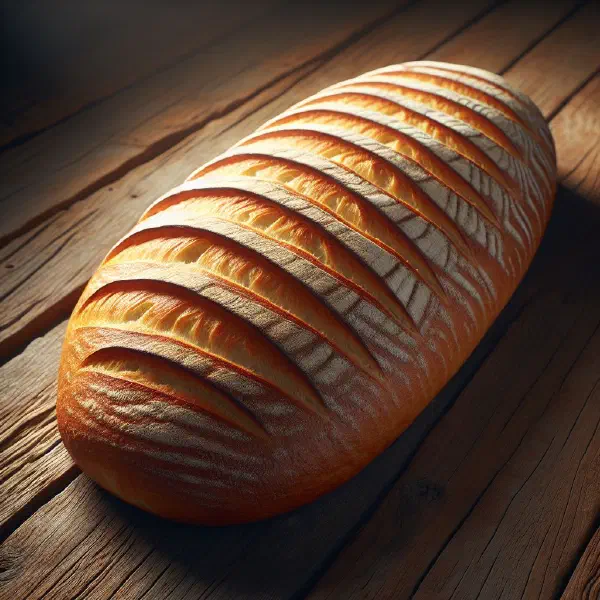
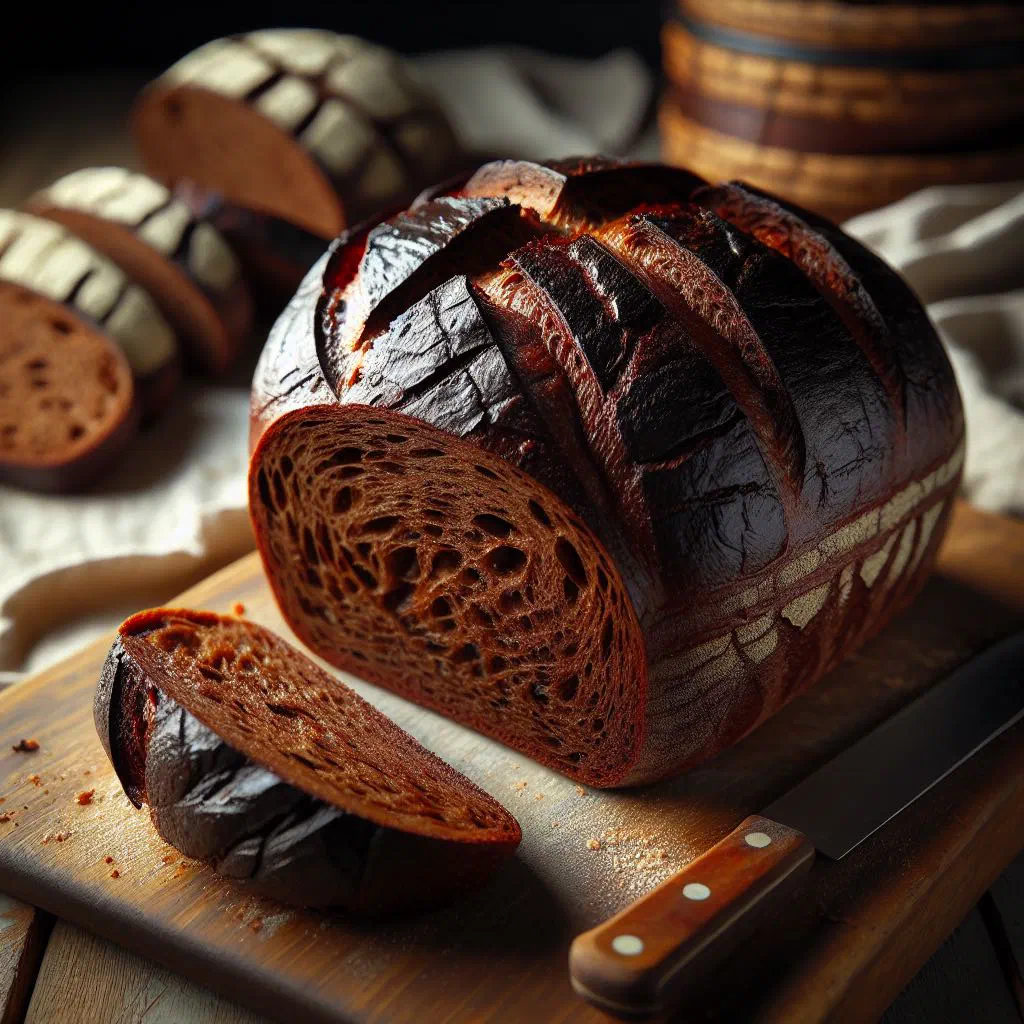
Say hello to Roast Paan, the beloved everyday bread of Sri Lanka. With its crackly golden crust and light, airy crumb, this simple loaf turns up on breakfast tables and dinner spreads right across the island. It is the perfect partner for a fiery curry or a slick of butter and jam, and it needs nothing more than a handful of storecupboard staples. Bake a batch at home and bring a taste of Sri Lanka straight to your own kitchen.
About Roast Paan
Roast Paan is a much-loved bread from Sri Lanka that is cherished far beyond the island’s shores. This savoury loaf is typically made from a straightforward mix of wheat flour, water and salt, and it is prized for its crisp crust and light, airy texture. It is a staple food and something of a cultural emblem, appearing at meals of every kind. Many people enjoy it as an accompaniment to a range of curries, or simply with a little butter and jam for a satisfying breakfast.
Ingredients (serves 1–2)
- 200 g wheat flour
- 100 ml water
- 1 tsp salt
- 1 tsp sugar
- 1 tsp yeast
- 1 tbsp oil
Shopping for the ingredients
The ingredients for Roast Paan are available in most supermarkets or at a local market. When buying your flour, choose a good-quality variety to achieve the best texture and flavour. Fresh yeast is essential to ensure the bread rises well and develops a lovely crumb. Don’t forget to check that the sugar and any seasonings are fresh too, so the full aroma of the bread really comes through.
Preparing the dish
Before you start making Roast Paan, it is worth gathering all the ingredients and clearing a clean work surface. Combine the flour, salt and sugar in a large bowl. In a separate bowl, dissolve the yeast in the water and give it a little time to activate. This is a crucial step to make sure your bread reaches the height and texture you are after.
Step-by-step instructions
- In a large bowl, mix together the flour, salt and sugar.
- Dissolve the yeast in warm water and leave it to rest for about 10 minutes.
- Add the yeast mixture and the oil to the flour and knead everything into a smooth dough.
- Cover the dough and leave it to prove in a warm place for about an hour.
- Knead the risen dough on a floured surface and shape it as you like.
- Preheat the oven to 200°C and bake the bread for 15–20 minutes, until golden brown.
Gluten-free / lactose-free version
For a gluten-free version of Roast Paan, swap the wheat flour for a blend of gluten-free flours such as rice or almond flour. Bear in mind that the texture and flavour may vary slightly. To make it lactose-free, replace ingredients such as butter with plant-based alternatives. That way nothing stands in the way of a delicious bake, even for those with particular dietary needs.
Tips for vegans and vegetarians
If you would like to prepare Roast Paan the vegan way, use plant-based oils and steer clear of animal products such as butter or eggs. The dough itself contains no animal ingredients, which makes it naturally suitable for vegans. You can also add a variety of herbs and spices to give the bread an extra dimension of flavour. This recipe is easy to adapt, so feel free to get creative and craft an even tastier version.
More tips and tricks
To make sure your Roast Paan turns out perfectly, it helps to preheat the oven thoroughly. Placing a small bowl of water in the oven while the bread bakes can also help create a wonderfully crisp crust. After baking, let the loaf cool on a wire rack so the underside doesn’t turn soggy. Experiment with different ingredients and flavours to develop your very own signature recipe. It pairs beautifully with a scoop of Pol Sambol or a spoonful of Dhal Curry.
Adapting the recipe to your taste
The recipe for Roast Paan is easy to tailor to your personal preferences. Add herbs such as rosemary or thyme, for example, to give the bread a special touch. Stirring in seeds or nuts can also introduce an interesting texture and an extra layer of flavour. Remember that adapting the recipe often leads to new and exciting tastes that can enrich your meal.
Ingredient substitutions
For those with particular dietary needs, there are plenty of alternatives to the usual ingredients in the Roast Paan recipe. In place of wheat flour, you can use the gluten-free flours mentioned above. For the sugar, natural sweeteners such as agave syrup or honey work well. Swapping the oil for mashed avocado is another option that keeps the bread moist and full of flavour, much like the tender crumb you’ll find in Coconut Roti.
Drink pairing ideas
There are plenty of drinks that pair beautifully with Roast Paan. A traditional cup of Ceylon tea or a refreshing glass of lemonade complements the bread wonderfully. For adults, a light beer or a dry white wine can bring out its flavours even further. A cup of Curry Leaf Tea is another lovely match, so experiment with different drinks to find your perfect combination.
Serving and presentation ideas
The way you present your Roast Paan can make all the difference. Serve the bread warm, perhaps on a handsome wooden board, and garnish it with fresh herbs. A small dish of butter or an exotic dipping sauce adds an appealing finishing touch. Remember that an inviting presentation only heightens the pleasure of the meal.
A bit of history
Roast Paan has a long and fascinating history, closely bound up with the culture of Sri Lanka. It has been served in homes and restaurants for generations and often features at festive occasions. The method of preparation has changed little over the years, a sign of the bread’s enduring popularity and its place in tradition. This humble loaf reflects the rich variety of Sri Lankan cuisine and is an indispensable part of many a meal.
More recipe ideas
Summary: Roast Paan
In short, Roast Paan is an essential part of Sri Lankan cooking, winning admirers with its crisp crust and soft interior. Its easy preparation, its reliance on everyday ingredients and the freedom to adapt it to your own taste make it a superb choice for any cook. Give it a try and let the flavours of Sri Lanka work their magic.