National Dish Sri Lanka: Sour Mango Curry (Recipe)
In this article
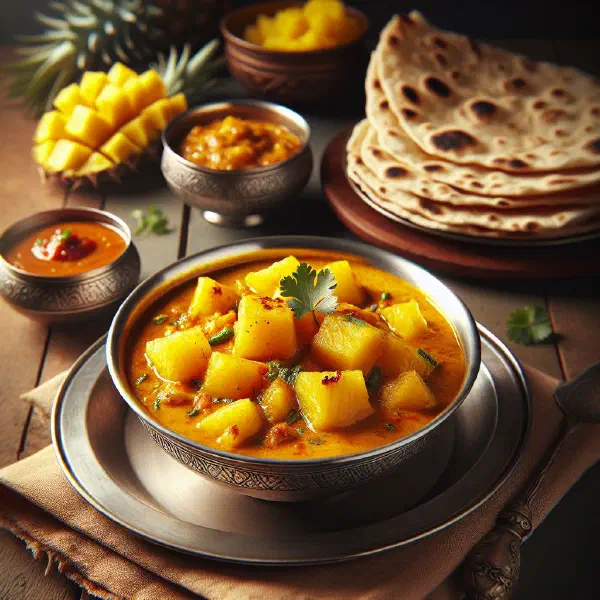
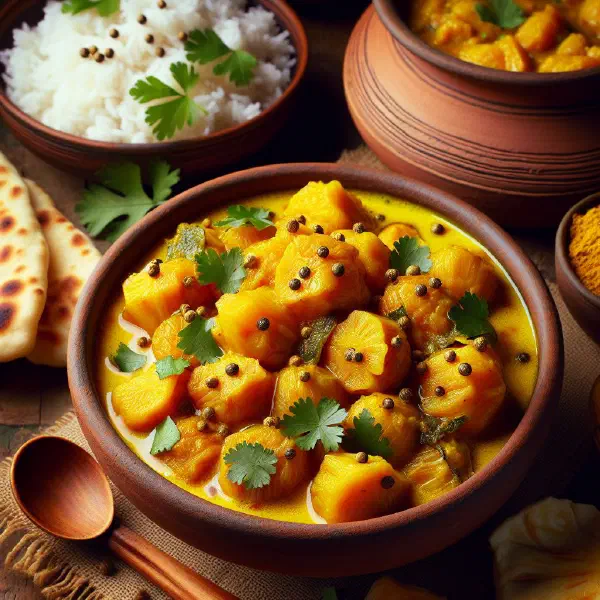
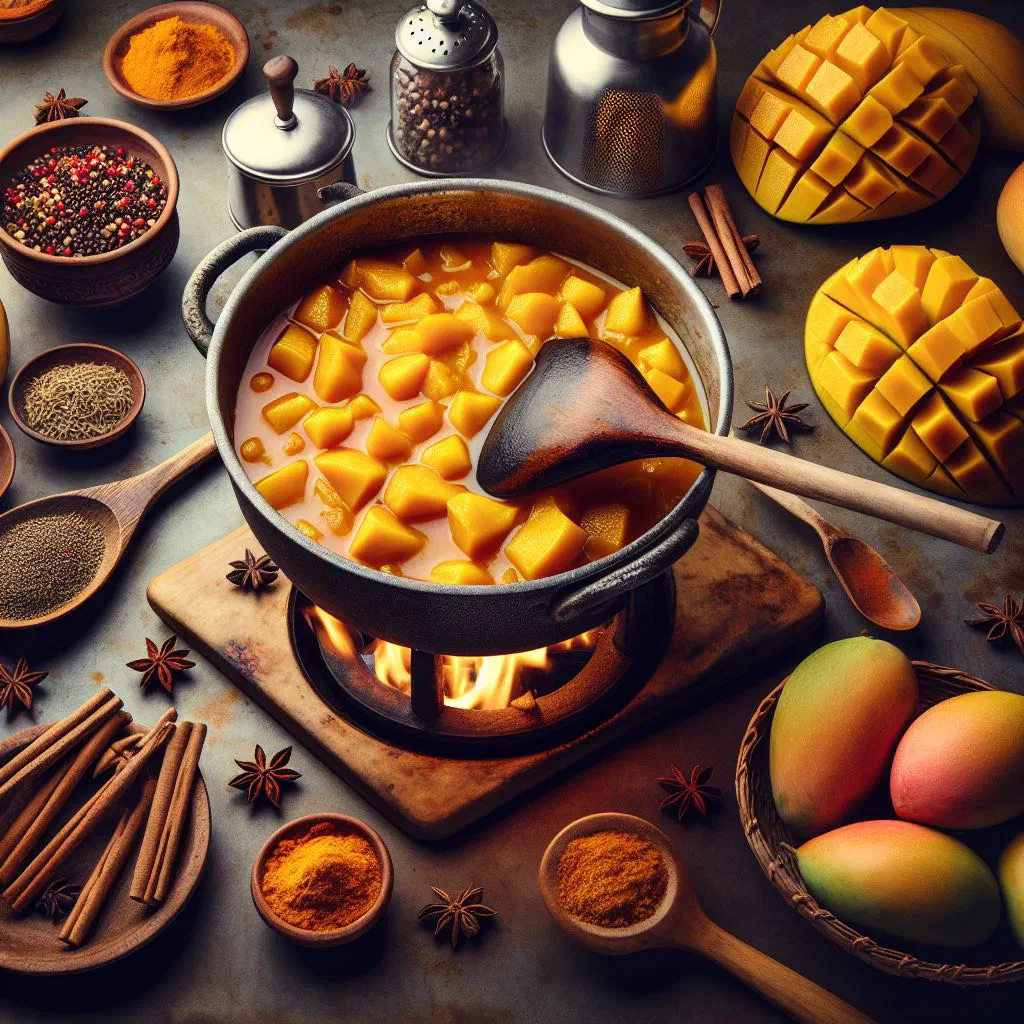
Meet Sour Mango Curry, a tangy jewel of Sri Lankan cooking that turns firm, unripe mango into something utterly moreish. The sharp, sour fruit is simmered in creamy coconut milk and a lively mix of exotic spices, striking a perfect balance between fresh and comforting. Served alongside rice or flatbread, it brings the bright flavours of the island straight to your table.
About Sour Mango Curry
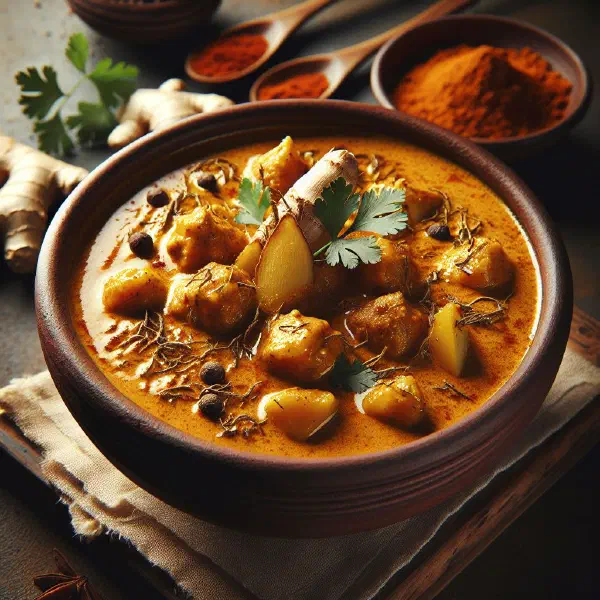
Sour Mango Curry is a genuine highlight of Sri Lankan cuisine, marrying the tart flavours of unripe mango with a wealth of aromatic spices. The dish thrives on the contrast between the freshness of the fruit and the creamy richness of coconut milk. Ideal as a side to rice or flatbread, this curry delivers the many layers of flavour that Sri Lanka is known for, all in a single satisfying bowl.
Ingredients (serves 1–2)
- 1–2 unripe mangoes
- 1 small onion
- 2–3 cloves of garlic
- 1 teaspoon mustard seeds
- 1 teaspoon turmeric
- 1 teaspoon red chilli powder
- 400 ml coconut milk
- Salt to taste
- Fresh coriander leaves, to garnish
Shopping for the ingredients
To make Sour Mango Curry, you will need a handful of ingredients that are readily available in most supermarkets and Asian grocers. Pay particular attention to the mango: it should be green and firm to give the curry its signature sour tang. Choose fresh spices for the fullest aroma, and look out for specialist items such as mustard seeds, which you will find in Asian markets or online.
Preparing the dish
Before you begin cooking the Sour Mango Curry, take a little time to prepare everything thoroughly. Peel the mango and cut it into small pieces. Finely chop the onion and garlic so they release their aroma properly during cooking. Measuring out the spices in advance keeps the process running smoothly from start to finish.
Step-by-step instructions
- Heat a little oil in a pan and add the mustard seeds, waiting until they begin to pop.
- Add the chopped onion and garlic and fry until golden brown.
- Stir in the turmeric and chilli powder and cook for about a minute.
- Add the diced mango and fry for 2–3 minutes, until slightly softened.
- Pour in the coconut milk and let the curry simmer until the mango is completely tender.
- Season with salt and garnish with fresh coriander leaves.
Gluten-free / lactose-free version
Sour Mango Curry is naturally both gluten-free and lactose-free, so it needs no special substitutes. Using coconut milk in place of cream or other dairy makes it an ideal choice for anyone with intolerances. Just be sure that the oil and any other ingredients you use are also free from gluten, keeping the dish pure and true to its origins.
Tips for vegans and vegetarians
For vegans and vegetarians, Sour Mango Curry is an excellent option, as every ingredient is plant-based. Cook it with good-quality spices and fresh coconut milk to bring out the very best flavour. For an extra source of protein, add chickpeas or tofu. They not only enrich the dish but make it more nourishing too, much like a hearty Dhal Curry.
More tips and tricks
To make your Sour Mango Curry even tastier, finish it with a squeeze of lime juice, which lifts the sourness and adds a refreshing note. Experimenting with different spices such as cumin or cinnamon can shift the aroma in interesting directions. Depending on your preference, cut the mango into coarser or finer pieces to achieve different textures in the finished curry.
Adapting the recipe to your taste
Sour Mango Curry is highly adaptable and can be tweaked to suit your own palate. If you prefer it milder, simply reduce the chilli powder; for more heat, add freshly chopped chillies. Folding in vegetables such as courgette or aubergine makes the dish more filling and colourful, in the spirit of a good Green Papaya Curry.
Ingredient substitutions
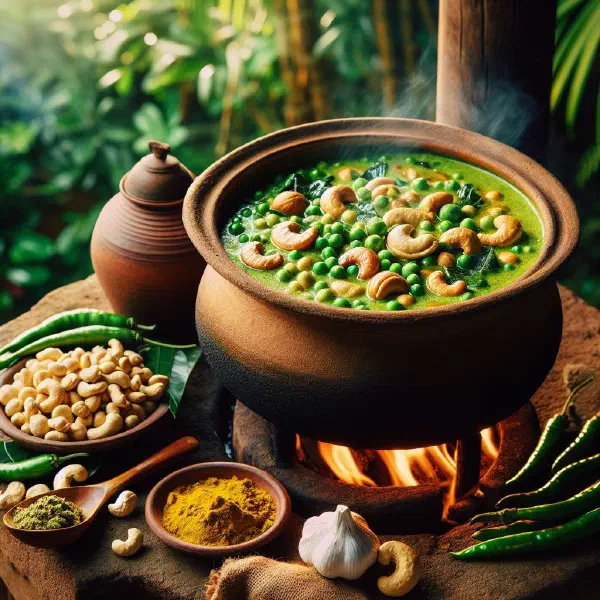
If a few ingredients for the Sour Mango Curry are hard to come by, there are plenty of alternatives worth considering. In place of unripe mangoes, other sour fruits such as green apples work well. For the coconut milk, you can use other plant-based milks, though this will change the consistency and aroma. Whatever you choose, take care that your swaps do not upset the overall harmony of the dish, a lesson that applies just as much to a rich Cashew Curry.
Drink pairing ideas
To round off the Sour Mango Curry, a range of drinks work beautifully. A fresh mint tea or an ice-cold ginger ale can balance the flavours nicely. For those who enjoy an alcoholic pairing, a light Asian lager or a fruity white wine complements the food splendidly. These drinks support the freshness of the curry and enhance the whole tasting experience.
Serving and presentation ideas
Presentation can be key to the whole culinary experience with Sour Mango Curry. Serve it in a nicely decorated bowl and garnish with fresh coriander leaves for an inviting look. A few lime wedges or extra pieces of mango can be arranged alongside. Colourful contrasts make the dish more appetising and showcase its variety. Try it with a bowl of Coconut Milk Rice for a complete plate.
A bit of history
Sour Mango Curry has a long tradition in Sri Lankan cuisine, shaped by the making and use of regional ingredients. Mango is a staple across many Asian countries and features heavily in traditional cooking. Historically, this dish blends influences from different cultures and eras, making it a fascinating cultural experience. Every mouthful tells the stories of the Sri Lankan people and their love for a diversity of flavours.
More recipe ideas
Summary: Sour Mango Curry
Sour Mango Curry is a delicious and wholesome dish that celebrates the exotic flavours of Sri Lanka. Combining sour mango, aromatic spices and a creamy coconut milk base creates a truly unique taste experience. Not only is it simple to prepare, it is also versatile and endlessly adaptable. Let yourself be won over by the harmonious blend of heat and fruitiness, and savour a little piece of Sri Lankan cooking.