National Dish Sri Lanka: Tamarind Dal (Recipe)
In this article
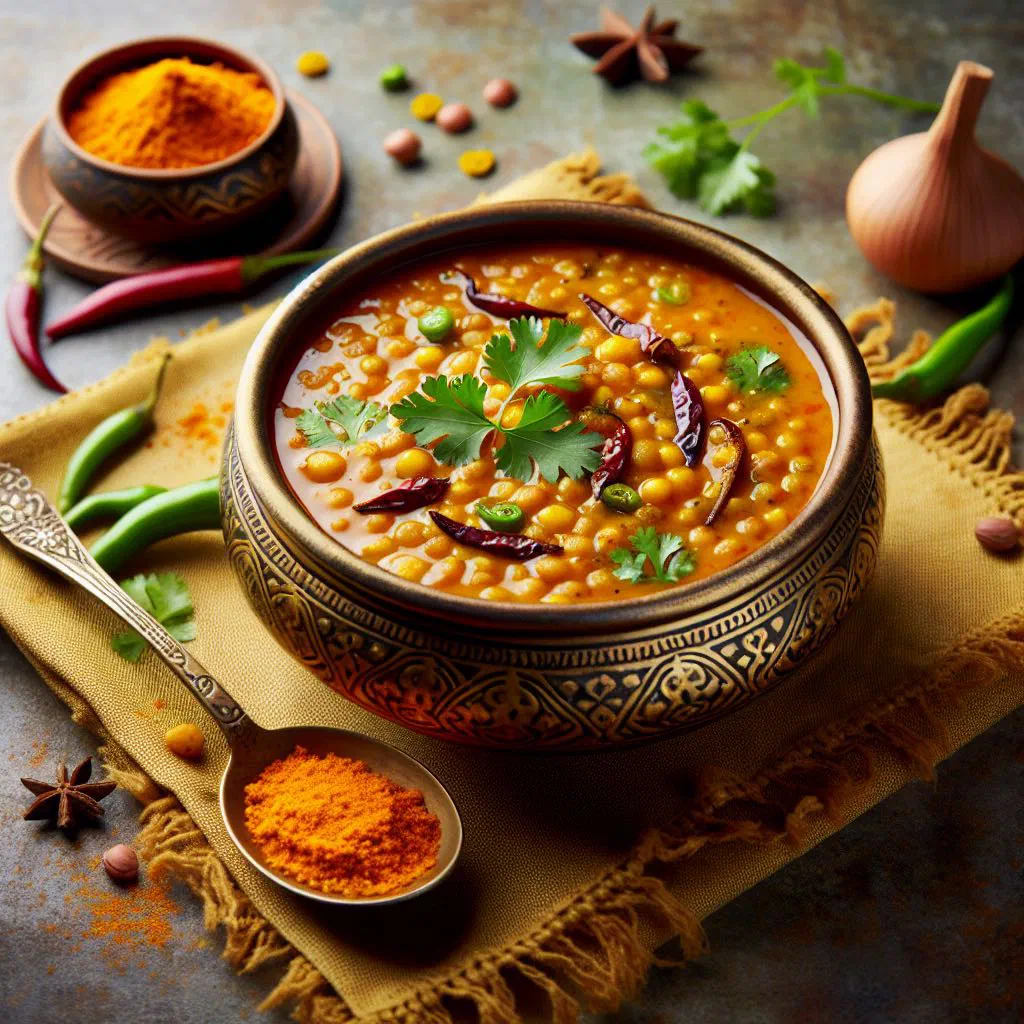
Discover Tamarind Dal, a gloriously tangy lentil dish from Sri Lanka that dances between sour, spicy and gently sweet. Built around exotic tamarind and a fragrant handful of spices, it is as nourishing as it is comforting, a bowl of warmth that suits mindful, wholesome eating. Serve it as a main or as a side with rice or bread, and let the bright flavours of the island fill your kitchen.
About Tamarind Dal
Tamarind Dal is a wonderfully distinctive dish from Sri Lanka that wakes up the palate with its perfect balance of tartness, heat and a whisper of sweetness. This aromatic lentil dish is made chiefly from tamarind, an exotic fruit, and a lively mix of spices. It is delicious and deeply nourishing, which makes it a great choice for anyone who wants to eat healthily and with intention. Tamarind Dal can be served as a main course or as a side to rice or bread, making it a versatile addition to any meal.
Ingredients (serves 1–2)
- 1 cup red lentils
- 1–2 tablespoons tamarind paste
- 1 onion, finely chopped
- 2 cloves garlic, chopped
- 1 cm ginger, grated
- 1 teaspoon cumin seeds
- 1 teaspoon curry leaves (fresh or dried)
- 1–2 green chillies, to taste
- Salt, to taste
- Fresh coriander, to garnish
- Water, as needed
Shopping for the ingredients
To make Tamarind Dal, it is worth choosing fresh ingredients to get the best possible flavour. Many Asian grocery shops stock tamarind paste, which turns up all over Asian cooking, and it is well worth seeking out. Look for good-quality red lentils, as these cook quickly and hold their shape nicely during simmering. Spices such as cumin and curry leaves are staples across South Asian kitchens and give the dish its unmistakable character, the very same aromatics that lift a Dhal Curry.
Preparing the dish
Before you start cooking, take a little time to prepare all the ingredients thoroughly. The red lentils should be rinsed in a sieve to wash away any dust and grit. Chop the onion, garlic and ginger into small pieces so their aromas are released more freely. Chopping the chillies matters too, as it lets you dial the heat of the dish in exactly as you like it. The tamarind paste can also be adjusted depending on how much tang you are after.
Step-by-step instructions
- Bring the lentils to the boil in a pan with plenty of water and cook for 20 minutes, until soft.
- In a separate pan, heat the oil and sauté the onion, garlic and ginger until golden brown.
- Add the cumin seeds and curry leaves and toast for a further minute.
- Add the cooked lentils to the onion mixture and stir in the tamarind paste. Mix well and loosen with water to your preferred consistency.
- Season with salt and green chilli to taste, then let it simmer for another 5 minutes.
- Garnish with fresh coriander and serve.
Gluten-free / lactose-free version
Tamarind Dal is naturally gluten-free and lactose-free, which makes it an excellent option for anyone with particular dietary needs. When it comes to the spices and other ingredients, do take care that these are free from gluten too. Many South Asian spice blends contain gluten, so make sure you reach for pure, single spices. Enjoy this dish with complete peace of mind, whatever dietary concerns you may have.
Tips for vegans and vegetarians
Tamarind Dal is ideal for vegans and vegetarians, as it makes a protein-rich, nutrient-dense meal. To make it even more satisfying, you can add extra vegetables such as spinach, carrots or cauliflower. These boost the vitamin and mineral content and add more texture. If you would like a creamier finish, a spoonful of plant-based yoghurt makes a lovely garnish, much as it does alongside a Cinnamon Spiced Lentil Curry.
More tips and tricks
Making Tamarind Dal leaves plenty of room to play with different spices and ingredients. Try adding more aromatic spices such as cloves or cinnamon to give the dish an extra dimension. A quick squeeze of lemon juice just before serving intensifies the flavours beautifully. Any leftovers keep well in an airtight container, so you can enjoy those delicious flavours again the next day.
Adapting the recipe to your taste
A great strength of Tamarind Dal is just how flexible the recipe is. Depending on your personal taste, you can vary the amount of spice and the ratio of tamarind paste. If you prefer a milder version, for example, simply reduce the number of chillies or leave them out altogether. The dish is also easy to change up by using different kinds of lentils, such as green or yellow, which offer similar but subtly different flavours.
Ingredient substitutions
If some ingredients for Tamarind Dal are hard to come by, there are plenty of suitable alternatives. Tamarind paste, for instance, can be swapped for lemon juice or lime juice to reach a similar sour note, though for real depth a spoonful of Tamarind Chutney works a treat. Instead of cumin seeds you might use coriander seeds for a different flavour angle. For a fully vegetarian version, a plant-based stock can serve as the base to round the dish out.
Drink pairing ideas
The drinks that suit Tamarind Dal best are light and refreshing, supporting the flavours rather than overwhelming them. A mint lemonade offers a pleasant lift that pairs beautifully with the dish’s bold aromas. Alternatively, serve a simple sparkling water with a slice of lemon to bring the flavours further forward. For those who like to add alcohol, a light beer is an excellent choice.
Serving and presentation ideas
Presentation is an important part of the meal and can genuinely enhance the eating experience. Serve Tamarind Dal in a handsome bowl and garnish it with fresh coriander and a squeeze of lemon for a bright pop of colour. Arrange it with warm rice or flatbread on the side, a scoop of Coconut Milk Rice is perfect here. Finish by scattering the plates with a few sesame seeds or toasted nuts to add texture and flavour.
A bit of history
Tamarind Dal has its roots in traditional Sri Lankan cooking, which has a long history of flavour and spice. Tamarind is used across many other Asian countries too, which makes it an important ingredient in countless regional dishes. Over time this dish has grown into a symbol of the culinary diversity of Sri Lankan cuisine. It reflects the love of fresh herbs and spices that is cherished right across the region.
More recipe ideas
Summary: Tamarind Dal
In short, Tamarind Dal is a true feast of flavour and a healthy, nourishing option for every eater. The combination of tamarind, spices and lentils offers a rich source of protein and nutrients. Perfect for any day of the week, whether on its own or shared with company, this dish will pleasure you with its aromas and textures. Give it a go yourself and bring a taste of Sri Lanka into your kitchen.