National Dish Sri Lanka: Wattalappam (Recipe)
In this article
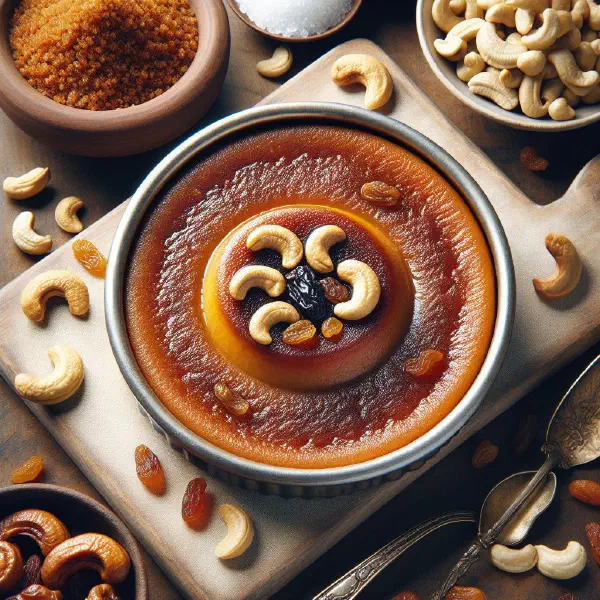
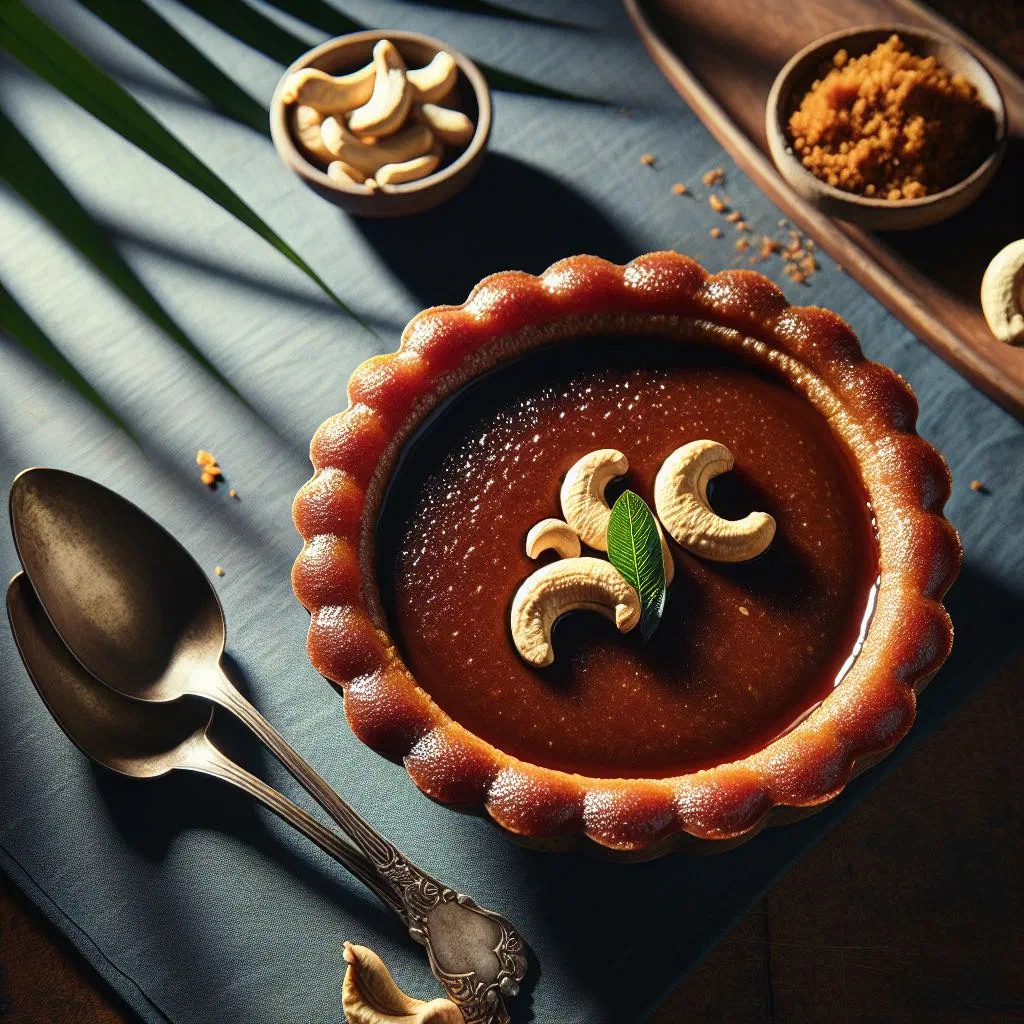
Meet Wattalappam, the silky steamed custard that has become one of Sri Lanka’s most cherished sweets. Built on a base of rich coconut milk and dark, treacly jaggery, then set with eggs and warmed with fragrant spices, it delivers a pudding that is at once deeply sweet and comfortingly wobbly. A favourite at festivals yet easy enough for any day of the week, it brings a little taste of the island straight to your table.
About Wattalappam
Wattalappam is a traditional dessert from Sri Lanka that has won hearts far beyond the island. It is built on a creamy base of coconut milk combined with jaggery, a form of palm sugar, then enriched with eggs and a selection of aromatic spices. This appealing sweet is a fixture at festive occasions, yet it is just as welcome on an ordinary day. The interplay of flavours creates a memorable eating experience that is at once sweet and wonderfully rich.
Ingredients (serves 1–2)
- 200 ml coconut milk
- 100 g jaggery (palm sugar)
- 2 eggs
- 1/2 teaspoon cinnamon
- 1 pinch nutmeg
- 1 teaspoon vanilla extract
- A pinch of salt
Shopping for the ingredients
When shopping for wattalappam, it is important to pay attention to the quality of your ingredients. Coconut milk should be as fresh or as high-quality as possible to bring out that creamy character. Jaggery can be found in Asian or Indian grocery shops and lends the dessert its signature caramel depth. Alongside the main ingredients, spices such as cinnamon and nutmeg are decisive for the finished aroma, so fresh, fragrant spices are always to be preferred.
Preparing the dish
To make the preparation of wattalappam as smooth as possible, it helps to weigh out and lay out all the ingredients in advance. The eggs should be brought to room temperature before use, which improves the final texture of the custard. Grate the jaggery finely beforehand so it dissolves more easily. It is also worth having all the kitchen equipment ready, mixing bowls, a whisk and a water bath for the gentle cooking.
Step-by-step instructions
- Combine the jaggery with the coconut milk in a small bowl and warm gently until the sugar has fully dissolved.
- Let the mixture cool a little, then add the eggs, cinnamon, nutmeg, vanilla extract and salt. Whisk together well.
- Pour the mixture into a greased ovenproof dish or small individual ramekins.
- Set the dishes in a water bath and bake in a preheated oven at 180°C for about 30–40 minutes, until the custard is just firm.
- Once baked, allow to cool and serve as you like, perhaps garnished with toasted coconut flakes.
Gluten-free / lactose-free version
The wonderful thing about wattalappam is that it is naturally gluten-free and lactose-free, as its main components are plant-based. Using coconut milk makes the dessert ideal for anyone with a lactose intolerance. Likewise, all the spices used and the jaggery itself are gluten-free, which makes it an excellent choice for a wide range of diets. Do take care to select your ingredients carefully to avoid any cross-contamination.
Tips for vegans and vegetarians
For a vegan version of wattalappam, the eggs can simply be swapped for a suitable plant-based alternative, such as flaxseed or chia seeds. A mixture of two tablespoons of ground flaxseed with six tablespoons of water stands in for one egg and helps keep the custard set. With the right balance of coconut milk and sugar, the flavour holds up beautifully even without any animal products. Adjustments like these open the recipe up to a much broader audience.
More tips and tricks
To give your wattalappam an extra flavour upgrade, feel free to experiment with different spices. A little ginger or cardamom can introduce intriguing new nuances to the dessert. Varying the amount of sugar matters too, especially if you prefer things a touch less sweet. Give your creativity free rein and tune the recipe to your own preferences, much as you might with a batch of Coconut Pancakes With Jaggery.
Adapting the recipe to your taste
If you want to make wattalappam truly your own, you can fold in various nuts or dried fruits. Cashews and raisins are especially popular additions that bring extra texture and flavour. Experimenting with the type and quantity of spices can also lead to interesting results. Try different combinations and discover your own personal favourite version, the same spirit of playful island sweets you will find in Kalu Dodol.
Ingredient substitutions
If you do not have coconut milk to hand, or simply fancy an alternative, you can use soya milk or oat milk. These plant-based options give the dessert a different but still delicious character. In place of jaggery you can use brown sugar, though the palm sugar is what lends the dish its distinctive flavour. Vary the ingredients according to availability and preference, and see just how delicious wattalappam can be.
Drink pairing ideas
A range of drinks suits wattalappam and complements its sweet, creamy nature. A simple cup of chai tea or a glass of fresh coconut water makes a harmonious partner. A glass of fruit juice, such as mango, offers a fruity counterpoint while refreshing the palate at the same time. For something cooling, a Mango Lassi also rounds off the dessert nicely. Try a few combinations to find the perfect accompaniment.
Serving and presentation ideas
The presentation of wattalappam can lift the whole experience considerably. Serve it in small, pretty bowls and garnish with toasted coconut or fresh pieces of fruit. A decorative drizzle of caramel sauce or a mint leaf can add attractive finishing touches. Take care to present your dessert invitingly, after all, we eat with our eyes first.
A bit of history
Wattalappam has its roots in the rich culture and history of Sri Lanka, where it is often served at festivities and celebrations. Thought to have been shaped by the influence of the island’s Malay community and inspired in part by South Indian kitchens, this dessert is a symbol of the versatility and creativity of Sri Lankan cuisine. It reflects the use of regional produce such as coconuts and jaggery, both widely available across the region. History and tradition can be tasted in every spoonful of this delicious pudding.
More recipe ideas
Summary: Wattalappam
In short, wattalappam is a delicious and versatile Sri Lankan dessert that charms with its creamy texture and exciting aromas. With the right preparation and a few personal tweaks, it is easy to recreate at home. Let the variety of flavour and tradition work its magic, and enjoy a little piece of Sri Lanka.