National Dish St Kitts and Nevis: Pineapple Upside-Down Cake (Recipe)
In this article
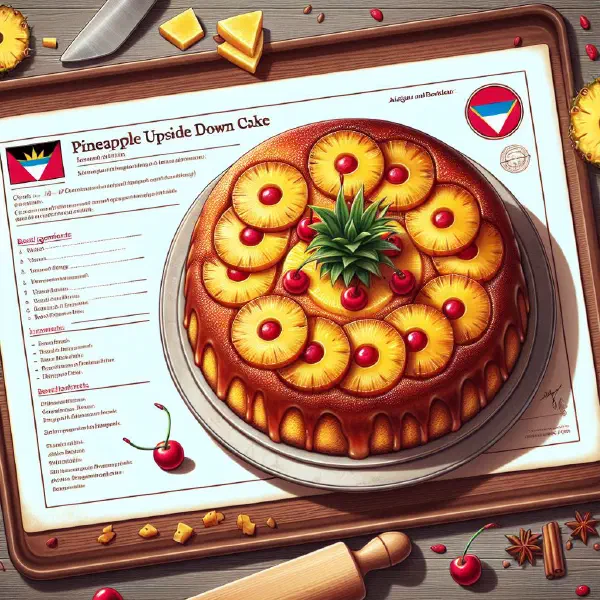
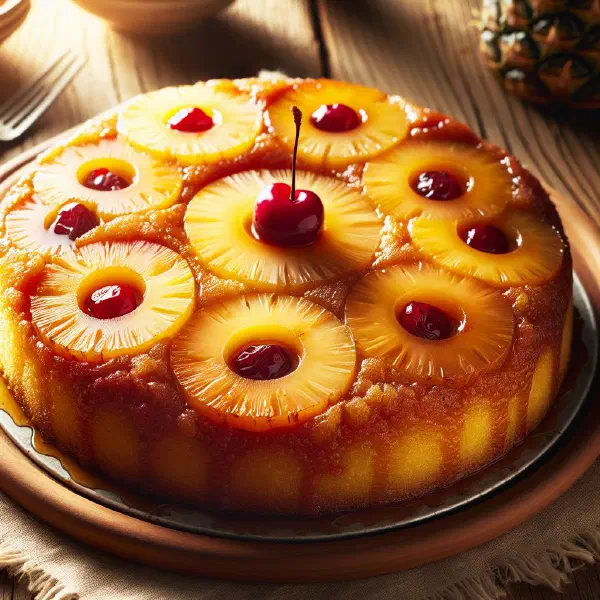
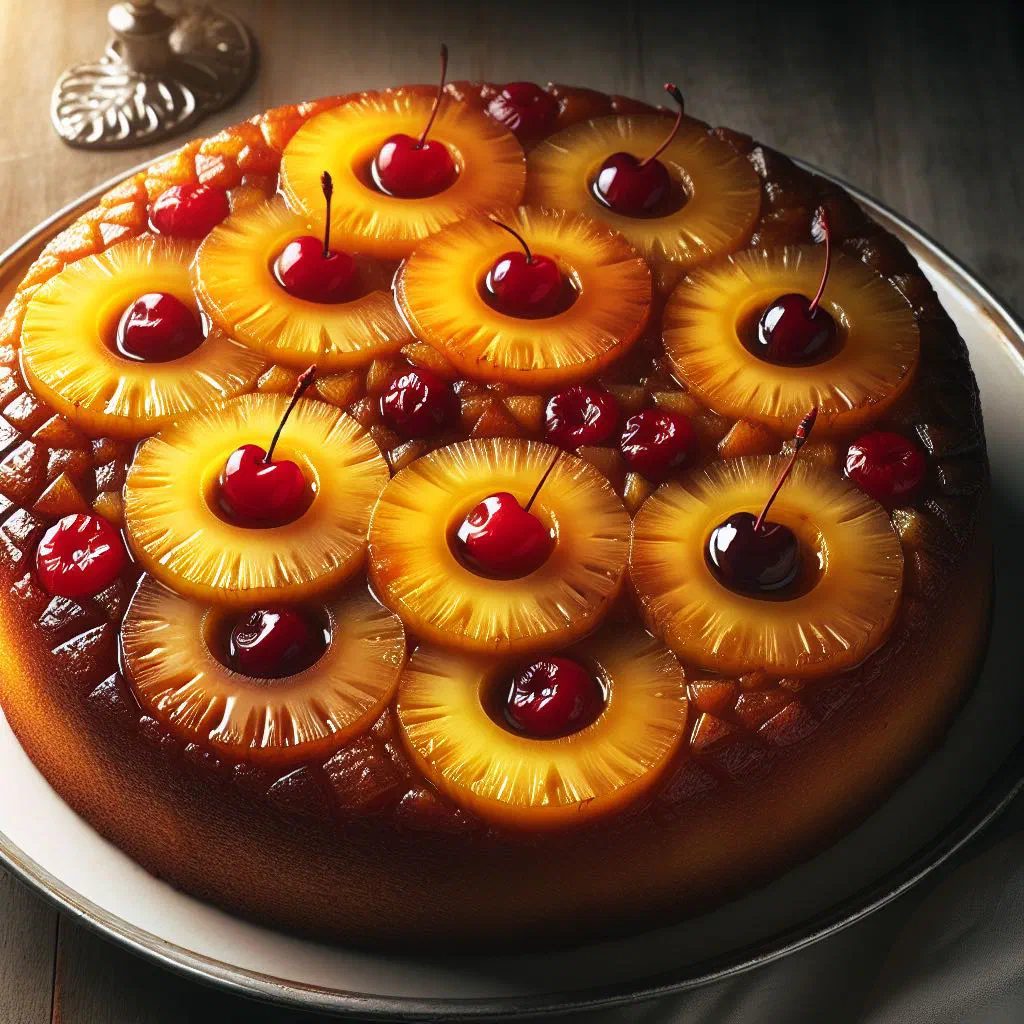
Few desserts make quite such a grand entrance as Pineapple Upside-Down Cake. Turned out of its tin at the last moment, it reveals a glossy crown of caramelised pineapple rings sitting on a soft, buttery sponge. Sweet, fruity and just a little theatrical, it has become a much-loved fixture on the tables of St Kitts and Nevis, a slice of Caribbean sunshine you can bake in your own kitchen.
About Pineapple Upside-Down Cake
Pineapple Upside-Down Cake is a classic dessert whose roots lie in the United States, yet it has been thoroughly adopted in St Kitts and Nevis as a national favourite. Its charm comes from the combination of juicy pineapple and a tender cake that is baked upside down and inverted before serving. That final flip is part of the pleasure: the moment the tin lifts away and the burnished fruit appears is genuinely a small piece of theatre. Beneath the show sits a harmonious balance of sweet and fruity flavours that wins over anyone with a soft spot for pudding.
Ingredients (serves 1–2)
- 1 fresh pineapple or 1 tin of pineapple rings
- 100 g butter
- 150 g brown sugar
- 2 eggs
- 150 g plain flour
- 1 tsp baking powder
- 1 pinch of salt
- 1 tsp vanilla extract
Shopping for the ingredients
Before you start on your pineapple upside-down cake, take a little care over the fresh ingredients. If you are using a whole pineapple, choose one that is properly ripe and fragrant. It should smell sweet at the base and give slightly under gentle pressure. For the remaining ingredients, such as butter, sugar and flour, quality really does pay off. Good butter in particular deepens the flavour of the finished cake enormously, much as it does in a rich Vienna Cake.
Preparing the dish
Preparation begins with heating the oven to 180°C. Make sure you have a suitable cake tin to hand, ideally non-stick or well greased, so the cake releases cleanly. One appealing variation is to brush the base of the tin with honey or syrup before arranging the pineapple, which gives the topping an extra layer of flavour. While the oven comes up to temperature, turn your attention to the pineapple, peeling and slicing it into rings if you are working with a fresh one.
Step-by-step instructions
- Melt the butter in a small pan and stir in the brown sugar. Pour the mixture evenly into the greased cake tin.
- Arrange the pineapple rings neatly over the butter and sugar mixture.
- In a bowl, whisk the eggs with an electric hand mixer until pale and foamy, then fold in the flour, baking powder, salt and vanilla extract.
- Pour the batter carefully over the pineapple and spread it out evenly.
- Bake in the preheated oven for 30–35 minutes, or until a skewer inserted into the centre comes out clean.
- Let the cake cool a little, then invert it carefully onto a serving plate so the pineapple sits on top.
Gluten-free / lactose-free version
For a gluten-free pineapple upside-down cake, simply use a gluten-free flour blend, now stocked by most supermarkets. Alternatively, ground almonds or coconut flour will give the crumb a pleasantly nutty character. For a lactose-free version, replace the butter with plant-based margarine or coconut oil. Neither swap detracts from the flavour, and both make the cake accessible to a far wider range of diets.
Tips for vegans and vegetarians
To make the cake vegan, the eggs can be replaced with apple sauce or flaxseed. For a comparable texture, mix 1 tablespoon of ground flaxseed with 2½ tablespoons of water per egg and leave it to thicken for a few minutes. Here, too, plant-based margarine stands in happily for butter. These small adjustments turn a traditional bake into a dessert everyone at the table can share, in the same spirit as the naturally dairy-free Coconut Candy.
More tips and tricks
To get the very best from your cake, use fresh pineapple wherever possible, the flavour is noticeably brighter. Many bakers also like to add a pinch of cinnamon or nutmeg to the batter for an extra dimension of warmth. Do give the cake enough time to cool before you turn it out, or it may break apart. Sliding a thin palette knife around the edge between cake and tin also helps guarantee a clean release.
Adapting the recipe to your taste
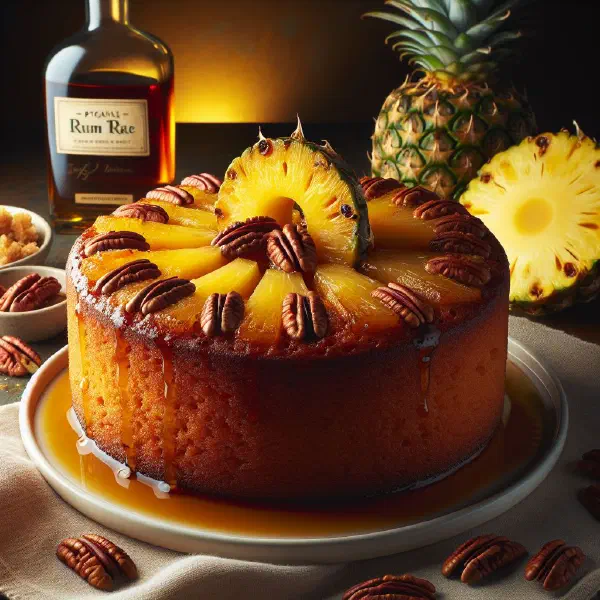
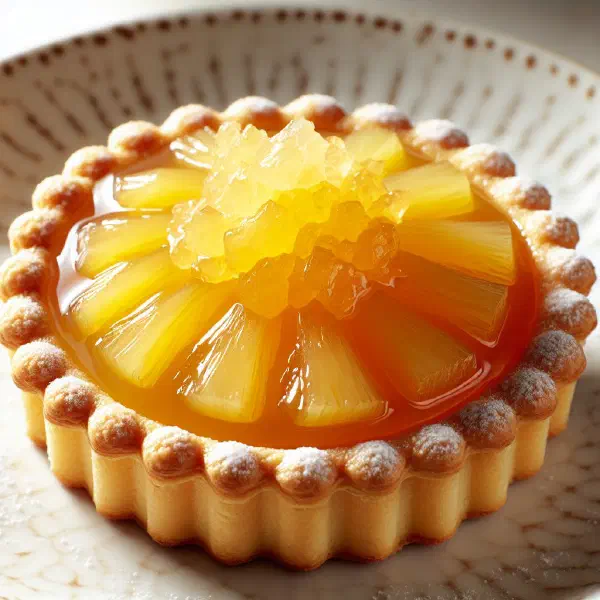
The joy of this cake is how readily it bends to your preferences. In place of pineapple you might use other fruit such as peaches or apples for an entirely different aroma. Nuts such as walnuts or pecans folded into the batter add welcome texture and bite. Experiment with different flavourings and adjust the recipe freely. That is exactly how the many local variations, from Pineapple Rum Cake to fruit tarts, came about in the first place.
Ingredient substitutions
If fresh pineapple is not available, tinned pineapple works perfectly well. Drain the rings thoroughly so excess liquid does not make the topping soggy. Instead of brown sugar you could reach for honey or agave syrup, which lends the caramel a rather different sweetness. Substitutions like these keep the cake reliably good while allowing plenty of room to improvise.
Drink pairing ideas
The right drink rounds off the whole experience. A fruity cocktail built around pineapple, or a tall glass of ice-cold lemonade, works beautifully. A glass of white wine or prosecco is equally at home alongside a slice, its crispness setting off the caramel. For something non-alcoholic and thoroughly local, try a chilled Sorrel Drink or a Tamarind Punch.
Serving and presentation ideas
Presentation can lift this dessert considerably. Serve the cake on a handsome plate and garnish it with fresh mint leaves or an extra slice of pineapple to one side. A spoonful of whipped cream, or a scoop of vanilla ice cream melting into the still-warm sponge, makes it feel properly indulgent. A little thought over the plating turns any gathering into an occasion.
A bit of history
Pineapple upside-down cake has an intriguing history reaching back to the 1920s. It first became popular in the United States once tinned pineapple arrived on the market and made the fruit widely affordable. The trick of baking a cake upside down quickly caught on, and families across the country began developing versions of their own. In the Caribbean islands, and particularly in St Kitts and Nevis, the cake became not merely a favourite dessert but a small emblem of a St Kitts and Nevis cuisine that has always absorbed outside influences and made them its own.
More recipe ideas
Summary: Pineapple Upside-Down Cake
Pineapple upside-down cake is more than a dessert. It is an event. With its juicy rings of fruit and its sweet, caramelised crown, it appeals to the palate and wins hearts in equal measure. This is the sort of pudding that creates memorable moments for your guests. Bring a piece of the Caribbean into your home and let this remarkable cake work its charm.