National Dish St Kitts and Nevis: Saltfish and Dumplings (Recipe)
In this article
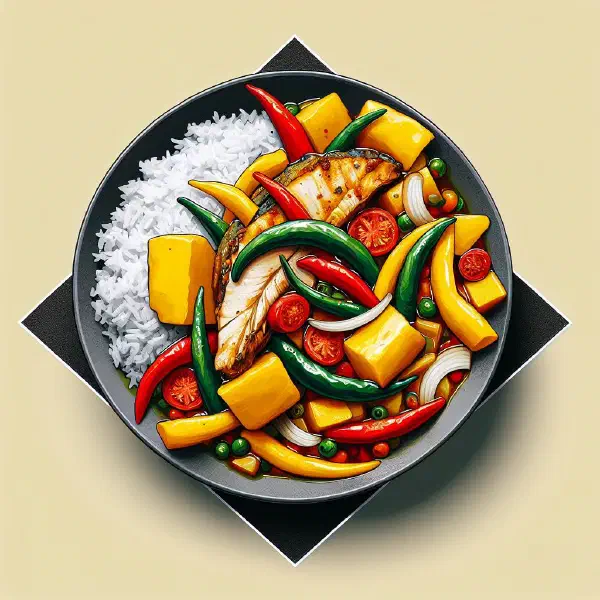
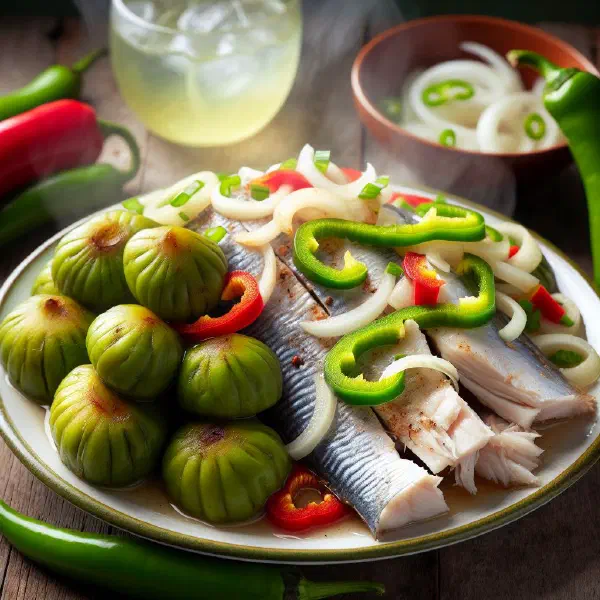
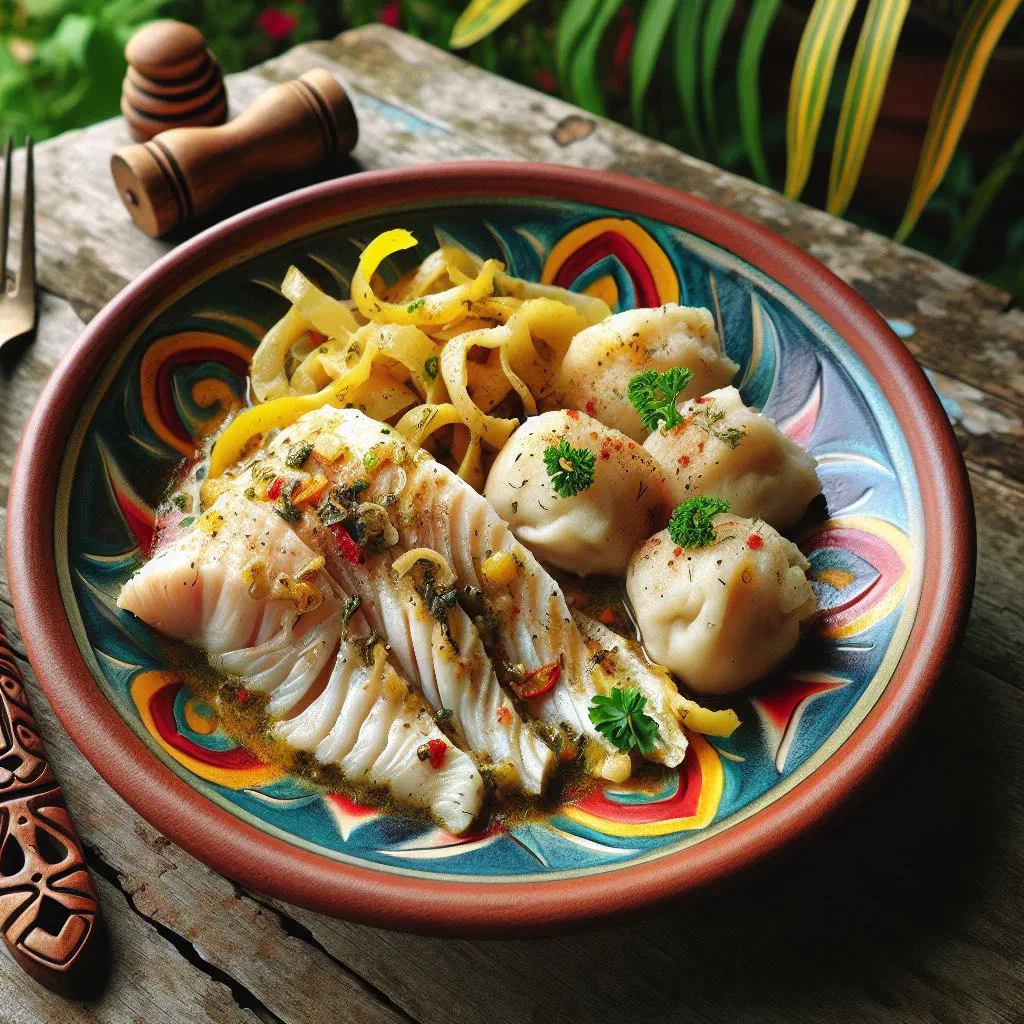
Discover Saltfish and Dumplings, the national dish of St Kitts and Nevis and a plate that tells the story of the islands in every mouthful. Salted, dried fish is soaked back to tenderness and tossed with sweet peppers and onions, then piled over golden dumplings fried until crisp at the edges and pillowy within. It is honest, resourceful island cooking, humble ingredients turned into something genuinely memorable.
About Saltfish and Dumplings
Saltfish and Dumplings is not merely a traditional dish from St Kitts. It is a cornerstone of the culinary identity of this Caribbean island nation. As the national dish it carries the historical weight of salt cod, the dried and salted fish that has fed islanders since colonial times. Paired with hearty dumplings made from the simplest of storecupboard staples, the fish strikes a perfect balance of comfort and flavour. The plainness of the ingredients and the sheer number of ways they can be prepared are precisely what make the dish special.
Ingredients (serves 1–2)
- 200 g salt cod (saltfish)
- 120 g plain flour
- 1/2 teaspoon salt
- Water (for the dumplings and for soaking the fish)
- 2 tablespoons oil, for frying
- Vegetables of your choice (onions, peppers, garlic)
Shopping for the ingredients
When shopping, look for good-quality saltfish from sustainable fisheries. It should feel firm to the touch and carry no unpleasant odour. Specialist Caribbean or Portuguese grocers and weekly markets often stock the freshest and most authentic varieties. The dumplings call for nothing more than basic baking staples, flour and salt, which any supermarket will carry. With the vegetables you are free to follow the seasons and pick up whatever looks best locally, which only sharpens the flavour of the finished dish.
Preparing the dish
Begin by desalting the saltfish, soaking it overnight in cold water. Change the water several times to draw out most of the salt. The following day, simmer the fish until it turns tender. For the dumplings, combine the flour and salt, then add water slowly and knead to a firm dough.
Step-by-step instructions
- Soak the fish: place the saltfish in water overnight to draw out the salt.
- Change the water: refresh it several times during the soak.
- Cook the fish: the next day, simmer the saltfish until tender, then leave to cool and remove any bones.
- Prepare the dumplings: mix flour and salt in a bowl, add water and knead to a smooth dough.
- Shape the dumplings: divide the dough into small portions, roll each into a ball and press flat.
- Fry: heat the oil in a pan and fry the dumplings until golden brown.
- Sauté the vegetables: in the same pan, cook the diced vegetables until soft.
- Add the fish: fold the prepared saltfish through the vegetables and mix well.
- Serve: arrange the dumplings on a plate and spoon the saltfish and vegetable mixture over the top.
Gluten-free / lactose-free version
The dish is naturally free of dairy, so no changes are needed for a lactose-free table. To make it gluten-free, replace the plain flour in the dumplings with a blend of cassava flour and a gluten-free all-purpose mix, a swap that works beautifully and echoes the texture of local Cassava Dumplings. Fry the dumplings in a clean pan to avoid any cross-contamination and every guest can tuck in without a second thought.
Tips for vegans and vegetarians
For a vegan version, leave out the fish altogether and use marinated smoked tofu or shredded young jackfruit in its place, seasoned with a pinch of seaweed flakes for that hint of the sea. The dumplings themselves are already plant-based, needing only oil for frying. Load the pan generously with peppers, onions and garlic so the vegetables carry the dish, and finish with fresh thyme for depth.
More tips and tricks
Play with different spices and herbs to give the dish a signature of your own. Ginger, thyme or fiery Scotch bonnet chillies can all be added to taste. Take care not to roll the dumplings too thick, so that they cook through evenly and keep a pleasant, tender texture.
Adapting the recipe to your taste
This dish is remarkably accommodating. If seafood is not for you, swap the saltfish for smoked chicken or tofu for a meat-free version. You might equally reach for wholemeal flour in place of white to make the dumplings more nourishing. Fans of a softer, boiled dumpling will find much to like in Callaloo and Dumplings, which uses the same dough to a rather different end.
Ingredient substitutions
Should salt cod prove hard to find, choose another firm white fish and salt it lightly yourself. Adding sweet potatoes or ordinary potatoes to the dumpling dough opens up a different flavour direction entirely. If you would rather bake than fry, the dough behaves much like the one used for Johnny Cakes.
Drink pairing ideas
A light white wine or a lively cocktail such as a mojito or piña colada goes splendidly with saltfish and dumplings. Non-alcoholic alternatives such as an ice-cold lime juice or a spicy Ginger Beer underline the Caribbean character of the dish.
Serving and presentation ideas
A colourful spread of side dishes, a crisp salad or some steamed vegetables, lifts the plate visually as well as adding to the flavour. A scattering of fresh herbs such as parsley or coriander gives the dish an appetising, inviting finish.
A bit of history
Historically, the use of dried fish dates from an era when preserving food was a serious challenge. Fish was salted and dried so that it would keep, and over time it became a mainstay of the diet in St Kitts and across the wider Caribbean. The dumplings arose from the same necessity: the need to make filling, satisfying accompaniments from a handful of available ingredients. Together they form a dish anchored firmly in the culture and traditions of the islands, and one of the defining plates of St Kitts and Nevis cuisine.
More recipe ideas
Summary: Saltfish and Dumplings
Saltfish and dumplings is a flavour-packed dish with deep roots in St Kitts, defined by its simplicity and its versatility. It offers no end of scope for variation and adapts readily to personal taste. With the tips and tricks set out here, anyone can now enjoy this delicious national dish at home and taste a genuine piece of Caribbean culture.