National Dish St. Lucia: Cassava Pone (Recipe)

In this article
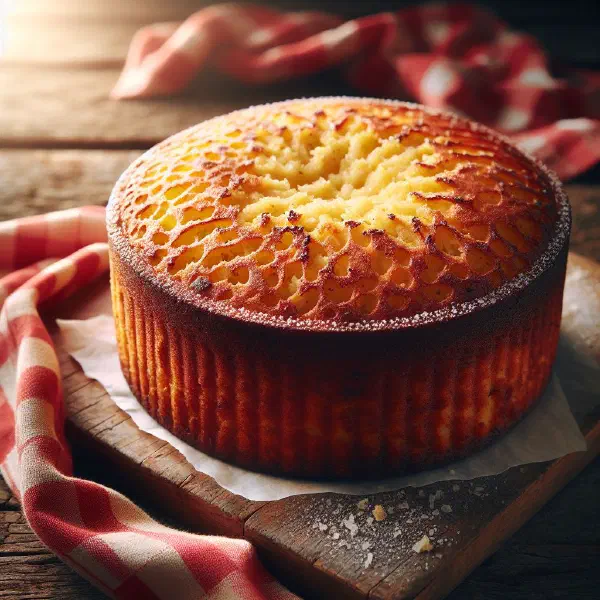
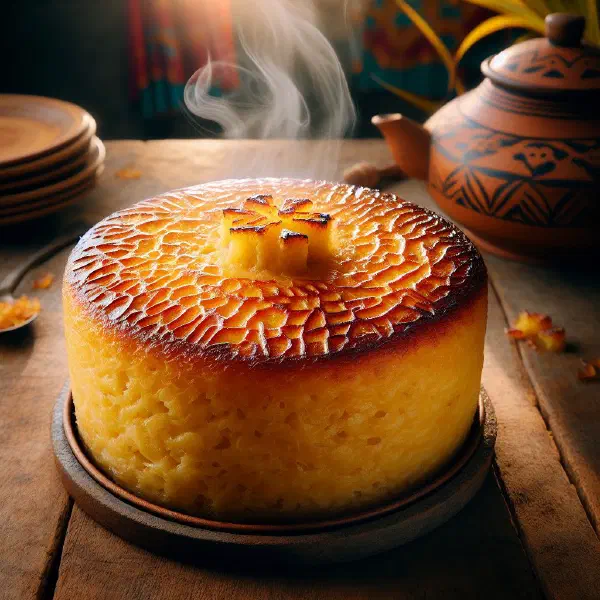
Discover Cassava Pone, St. Lucia’s much-loved sweet bake. Grated cassava, creamy coconut milk and a warm blanket of island spices come together in a dense, chewy dessert that tastes of the Caribbean itself. It is the sort of treat that appears at festivals and family gatherings, yet it is simple enough to bake on an ordinary afternoon. One square, and you will understand why islanders have been making it for generations.
About Cassava Pone
This traditional dessert from St. Made from grated cassava, it is usually combined with coconut milk and a generous handful of spices to create a rich, deeply aromatic flavour. Its dense, slightly chewy texture makes it a perfect snack as well as a satisfying pudding after a meal. Cassava pone is not only a pleasure to eat; it also reflects the rich culture and traditions of the Caribbean, much like the island’s beloved Coconut Tart.
Ingredients (serves 1–2)
- 2 cups grated cassava
- 1 cup coconut milk
- 1/2 cup sugar
- 1 teaspoon baking powder
- 1 teaspoon cinnamon
- 1/2 teaspoon nutmeg
- 1/4 cup butter, melted
- 1 teaspoon vanilla extract
Shopping for the ingredients
The ingredients for cassava pone are available in most supermarkets or Asian and Caribbean grocers. Grated cassava can be bought fresh or frozen, and the frozen version is usually the easier one to work with. Coconut milk is equally common and generally sold in tins. Do take care to choose good-quality ingredients, as they have a considerable influence on the final flavour of the dessert.
Preparing the dish
Before you start making cassava pone, make sure every ingredient is measured out and ready. It is important to rinse the cassava thoroughly to remove any residue or bitter compounds. Prepare a suitable baking tin as well, greasing it lightly so the pone does not stick. Good preparation is the first step towards a recipe that will impress your guests.
Step-by-step instructions
- Preheat the oven to 180°C and grease a small baking tin.
- In a bowl, combine the grated cassava, sugar, cinnamon, nutmeg and baking powder thoroughly.
- Add the melted butter, coconut milk and vanilla extract, and stir until everything is evenly mixed.
- Pour the mixture into the prepared tin and smooth the surface.
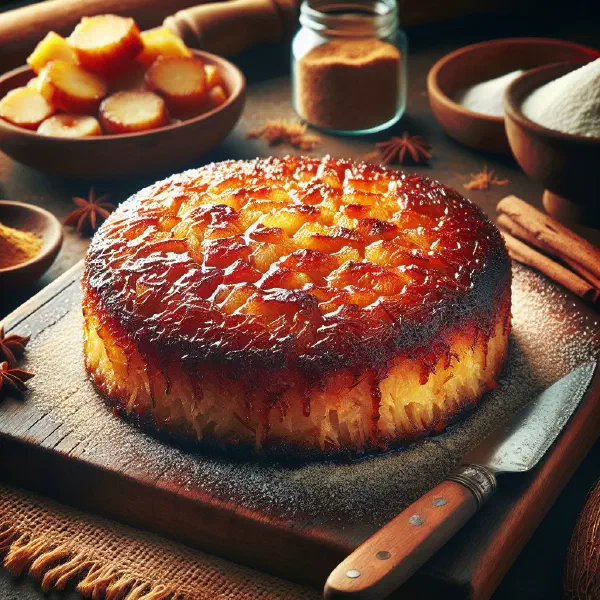
- Bake the cassava pone for around 45–60 minutes, until the top is golden brown.
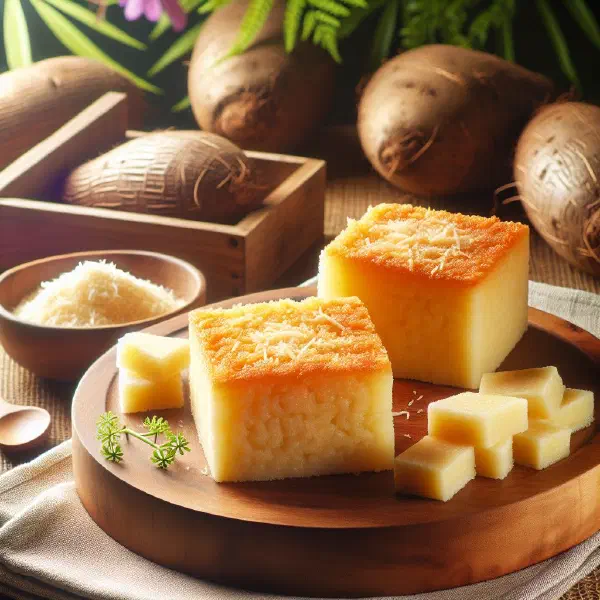
- Let the dessert cool a little before cutting it into squares and serving.
Gluten-free / lactose-free version
The good news is that cassava pone is naturally gluten-free, since cassava contains no gluten at all. If you would like to eat it lactose-free, use coconut milk in place of regular milk or butter. Check that the remaining ingredients, including the sugar, are lactose-free as well.
Tips for vegans and vegetarians
For vegans, cassava pone is easily adapted by replacing the butter with a plant-based margarine. This makes the dessert suitable for anyone avoiding animal products. You can also adjust the amount of sugar or use alternative sweeteners to suit different diets. Creativity should never be in short supply when you bake this vegan-friendly treat.
More tips and tricks
To deepen the flavour of your cassava pone, stir in a handful of chopped nuts or dried fruit. These additions give the dessert more texture as well as an interesting extra note. Remember too that you can vary the ratio of cassava to coconut milk to suit your own taste. Take your time and fine-tune the recipe until it is exactly how you like it, the same patient approach that rewards you when making Breadfruit Pudding.
Adapting the recipe to your taste
There are many ways to change cassava pone to suit your preferences. Add different spices such as cardamom or ginger to discover a new layer of flavour. You can also dial the sweetness up or down depending on how sweet you like your puddings. This adaptability is exactly what has made the recipe such a favourite in so many households.
Ingredient substitutions
If you cannot find grated cassava, other root vegetables such as yam or dasheen work well as alternatives. The texture and flavour will vary a little, but the recipe survives the swap perfectly well, much as it does in Cassava Cakes. Adjusting some of the spices as well gives you even more scope to shape the dessert around your own preferences.
Drink pairing ideas
To round out the flavours of cassava pone, serve a refreshing drink such as a chilled limeade or a fresh fruit punch, a Passion Fruit Punch is especially good here. These options underline the sweet, warmly spiced character of the dessert. For those who enjoy cocktails, a mojito or a piña colada pairs particularly well. The combination of drink and pudding makes for a memorable finish to any meal.
Serving and presentation ideas
To present cassava pone attractively, arrange the squares in pretty little bowls and garnish with freshly grated coconut or chopped nuts. Edible flowers or fresh fruit can lift the presentation further. Serve the dessert warm or chilled, depending on your preference, for two quite different eating experiences. An appealing presentation does a great deal to build anticipation at the table.
A bit of history
Cassava pone has its roots in traditional Caribbean cooking and is a popular dessert often prepared for festive occasions. The use of cassava, a staple crop across many tropical regions, reflects the culture and farming practices of the islands. Over the years the dessert has taken on countless variations, yet it remains a symbol of Caribbean identity and a proud fixture of St. Lucian cuisine.
More recipe ideas
Summary: Cassava Pone
Cassava pone is a delicious and remarkably adaptable dessert that captures the rich culture of St. Lucia perfectly. With its moist, chewy texture and the earthy aroma of cassava, it is a real pleasure that suits festive occasions and everyday baking alike. Thanks to its simple ingredients and the freedom to adapt it as you wish, it is an ideal recipe for anyone who wants to bring a taste of the Caribbean into their own kitchen. Let this traditional dessert inspire you and enjoy the flavours of St. Lucia.