National Dish St. Lucia: Cornmeal Porridge (Recipe)
In this article
Discover Cornmeal Porridge, a creamy island staple that St. Lucians have been waking up to for generations. Slow-stirred cornmeal turns silky and comforting in the pan, and a whisper of nutmeg gives it that unmistakable Caribbean warmth. It is humble, nourishing food made from a handful of storecupboard ingredients, and it tastes every bit as good as a lazy weekend breakfast as it does as a quiet supper.
About Cornmeal Porridge
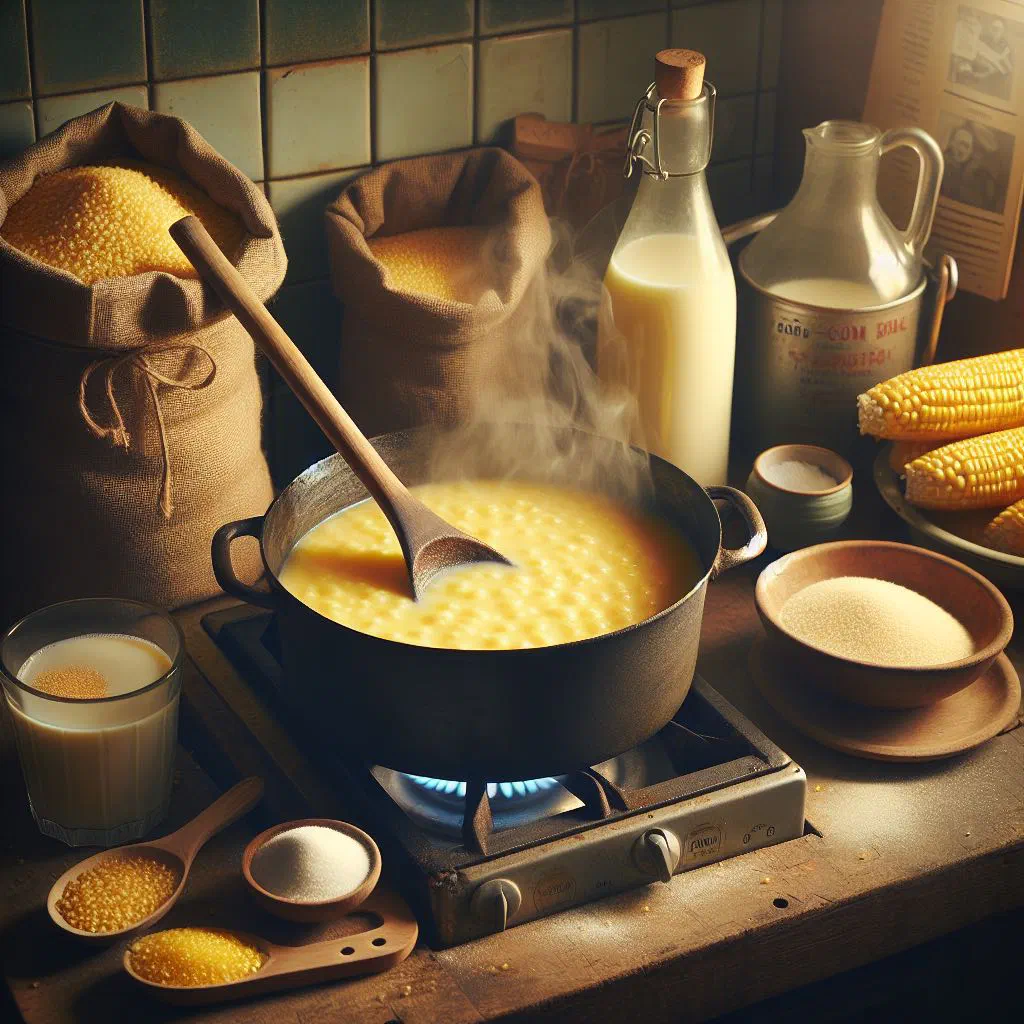
Cornmeal porridge, a close cousin of the polenta eaten across the Mediterranean, is a simple but deeply satisfying dish that holds a special place in St. Lucian cooking. It is made from finely ground cornmeal and can be served either as a side or as a meal in its own right. The texture is soft and creamy, the flavour gently sweet, and it is usually served with accompaniments that lift and vary the taste from one household to the next.
Ingredients (serves 1–2)
- 1 cup cornmeal
- 4 cups water
- 1 pinch of salt
- Butter or vegetable oil (optional)
- Pepper (optional)
Shopping for the ingredients
The ingredients for this comforting porridge are easy to track down in almost any supermarket or market hall. Cornmeal is usually shelved with the baking goods or in the world foods aisle. The quality of your water matters more than you might expect, so use a good source. It is also worth looking out for organic or finely milled premium cornmeal, which gives a noticeably rounder flavour.
Preparing the dish
Before you start cooking, have every ingredient and every piece of equipment within reach. You will need a saucepan, a whisk or a sturdy wooden spoon, and a hob. Measure the cornmeal and the water carefully, the ratio between them is what decides the final consistency. If you like, prepare any herbs or spices in advance to give the dish your own personal signature.
Step-by-step instructions
- Bring the water to the boil in a saucepan and add a pinch of salt.
- Turn the heat down so the water is no longer bubbling vigorously.
- Add the cornmeal slowly in a steady stream, stirring constantly to prevent lumps forming.
- Cook for 10–15 minutes, stirring throughout, until thick and creamy.
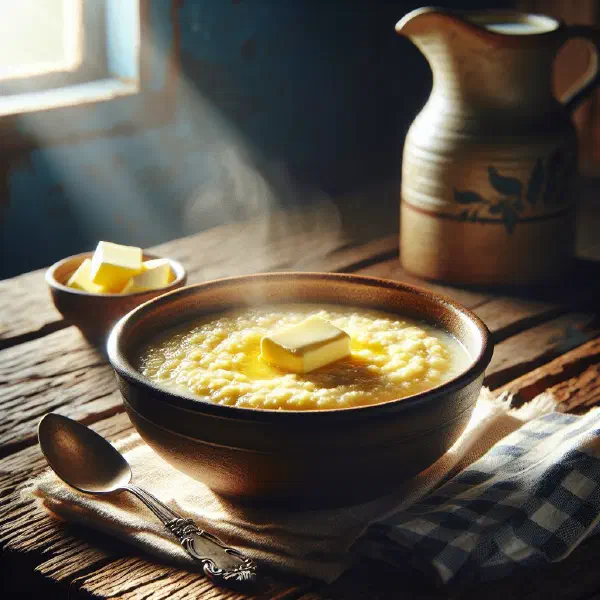
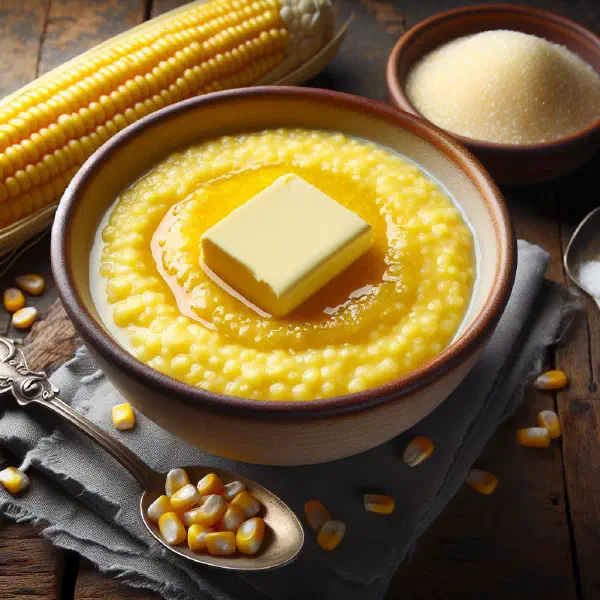
- Optional: stir in a knob of butter or a splash of vegetable oil to round out the flavour.
Gluten-free / lactose-free version
This porridge is naturally gluten-free and can be made lactose-free simply by leaving out the dairy. Use vegetable oils or a plant-based margarine instead to keep that creamy finish. If you follow a strict diet, check that your cornmeal carries no gluten-containing additives. Either way the porridge stays every bit as tasty and nourishing.
Tips for vegans and vegetarians
Vegans can adapt the recipe in seconds by using vegetable oil or margarine in place of butter. The porridge also takes beautifully to vegetables or plant-based sides, turning it into a complete meal, fried mushrooms or sautéed greens are particularly good, much as they are alongside Stewed Lentils. Cooking with plant milk or a light stock instead of water makes the whole thing richer still.
More tips and tricks
For an especially luxurious result, stir in a little plant-based cream right at the end of cooking. Keep stirring so everything blends evenly and no dry pockets remain. If you are making it ahead, the porridge keeps well in the fridge and reheats happily with a splash of extra liquid. Leftovers are never a problem here, many islanders swear it tastes even better the next day.
Adapting the recipe to your taste
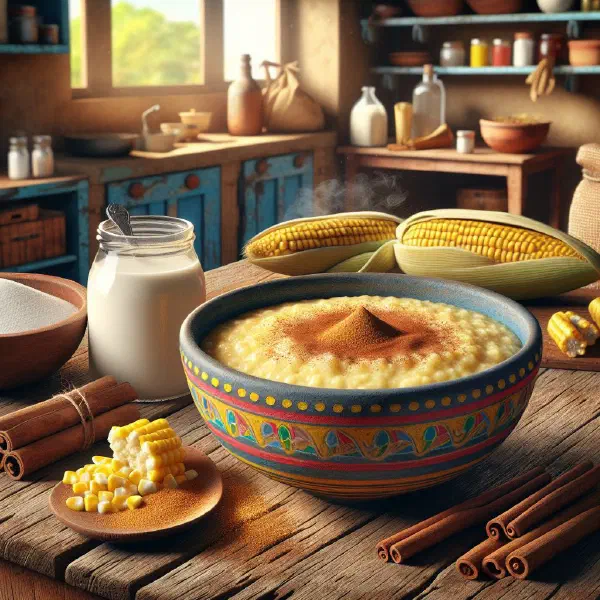
The ways to make this porridge your own are close to endless. Add herbs and spices to broaden the flavour: thyme or oregano lend it a savoury, herbal edge, while cinnamon and vanilla push it firmly towards the sweet breakfast end of the spectrum. Folding in different vegetables or a handful of cheese opens up another direction altogether.
Ingredient substitutions
If you have no cornmeal to hand, rice flour or millet flour both work, though each brings a slightly different texture and taste. For a fluffier result you can experiment with semolina instead of cornmeal. Just keep an eye on the cooking times. Swapping the water for vegetable stock builds a deeper, more savoury base, in the same way it does for Pumpkin Soup.
Drink pairing ideas
A hearty bowl of porridge goes with a wide range of drinks. A refreshing limeade or a classic iced tea makes an excellent partner, and a Ginger Beer adds a spicy lift that cuts through the richness. Fruity cocktails and alcohol-free mocktails work well too, while a carefully chosen red or white wine can round things off for a special occasion.
Serving and presentation ideas
To present your porridge attractively, spoon it into a wide bowl and garnish with fresh herbs. Extra colour from roasted vegetables or fresh tomatoes brings the dish to life, and a decorative sauce or a smooth purée raises the whole thing another notch. Let your imagination run, food that looks inviting always tastes better.
A bit of history
Cornmeal porridge has a long history in the Caribbean and is loved not only in St. Lucia but across the wider region. It is traditionally made with locally grown maize and reflects the culinary legacy of the island’s indigenous peoples. Cooking it well is considered something of an art, and it often appears at celebrations and festivals, a marker of how central it remains to St. Lucian cuisine. Cook a pot yourself and you are taking part in that tradition.
More recipe ideas
Summary: Cornmeal Porridge
In short, cornmeal porridge is an easy dish to cook yet a remarkably versatile one, winning people over with its creaminess and mellow flavour. It leaves plenty of room for adaptation, so everyone can add their own touch. Whether vegan, gluten-free or simply savoury and filling, it suits almost every way of eating. This traditional bowl brings the taste of St. Lucia into your kitchen and sits happily alongside any number of other island favourites.