National Dish Saint Lucia: Roti (Recipe)
In this article
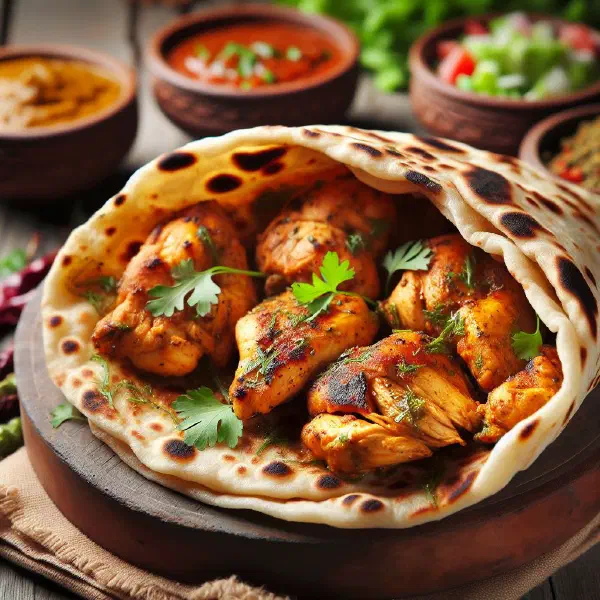
Discover Roti, the handheld classic that sums up everything good about Saint Lucian cooking. A soft, pliable flatbread is wrapped around a generously spiced filling, tender meat or colourful vegetables, warm with curry and cumin. It is street food, family lunch and picnic favourite all at once, and it travels beautifully from a roadside stall in Castries to your own kitchen table. Once you have made the dough yourself, you will understand why islanders never tire of it.
About Roti
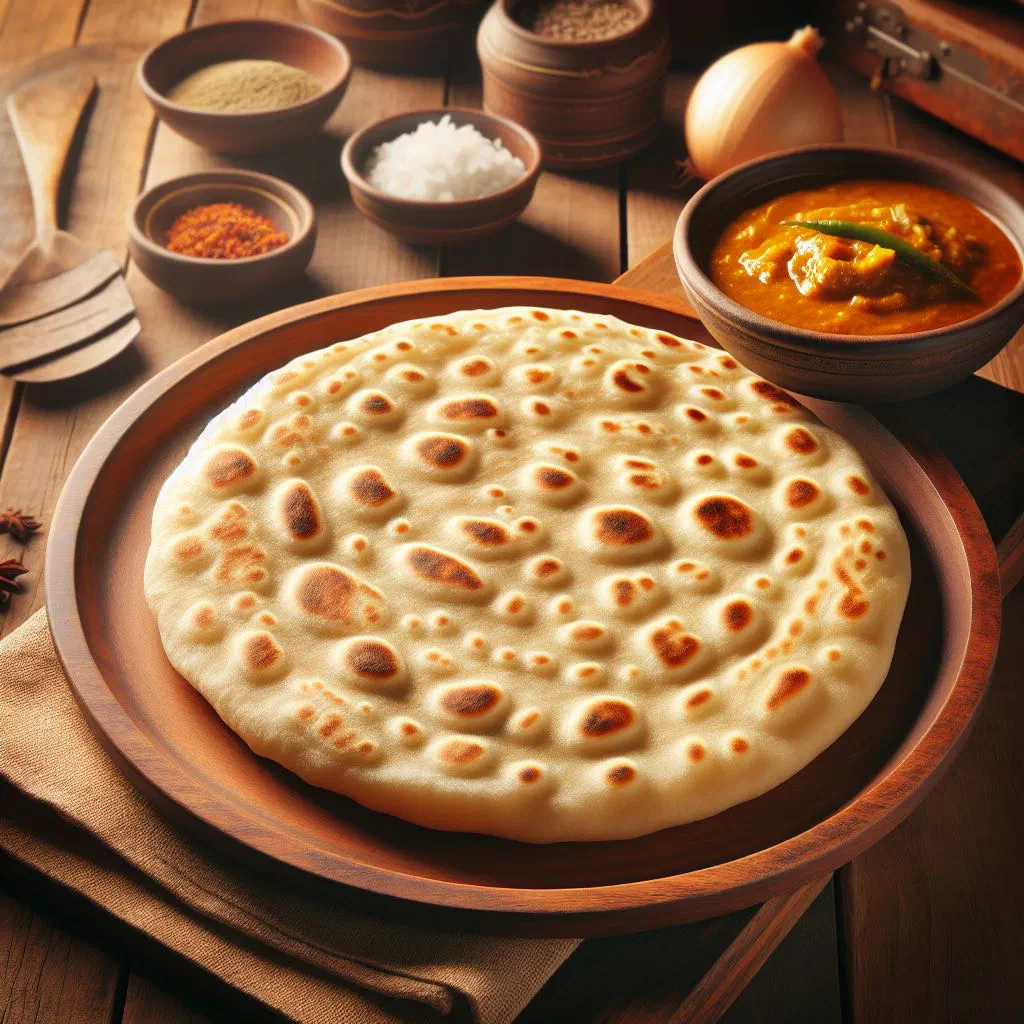
Roti is a traditional Caribbean dish that captures the flavours and aromas of Saint Lucia. This delicious wrap is most often built around a variety of spiced fillings, ranging from tender meat to fresh, seasonal vegetables. The foundation of roti is the dough itself: soft, elastic and just sturdy enough to let the flavours of the filling take centre stage. Roti remains a firm favourite with locals and visitors alike.
Ingredients (serves 1–2)
- 200 g plain wheat flour
- 125 ml water
- 1 tablespoon oil (coconut oil works well)
- 1/2 teaspoon salt
- 250 g chicken breast, or vegetables of your choice
- 1 onion, chopped
- 2 cloves of garlic, chopped
- Spices to taste (curry powder, cumin, paprika)
Shopping for the ingredients
To make roti you need a handful of fresh ingredients, nearly all of which are easy to find in a well-stocked supermarket or at a weekly market. Take care to choose good-quality spices, since they are what gives the dish its unmistakable character. If something proves hard to track down, it is worth visiting local markets, where you may also come across fresh herbs or Caribbean spice blends. Asian grocers, too, often carry an excellent selection of spices that suit a roti filling perfectly.
Preparing the dish
Before you start cooking, it pays to have everything properly prepared. First, cut the meat or vegetables for the filling into small, even pieces and set them aside in a bowl. Next, chop the onion and garlic and add them to the filling. Do not forget the spices. They are what lend the dish its distinctive taste. Good preparation keeps the cooking itself relaxed and smooth, and gives you the best possible flavour in the finished roti.
Step-by-step instructions
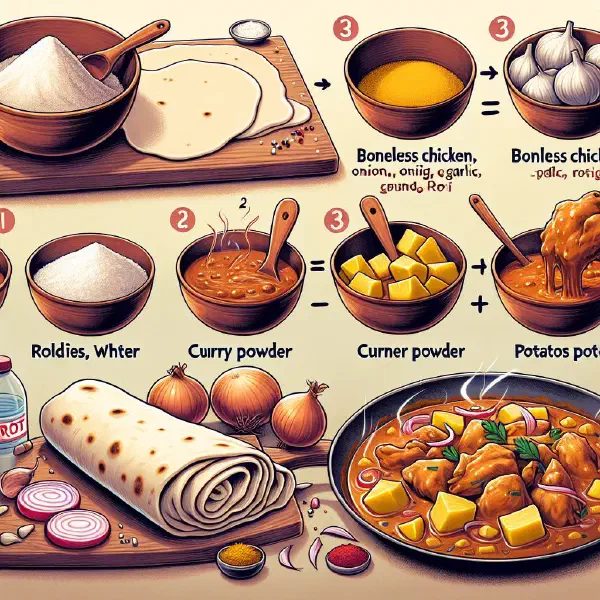
- Combine the flour, salt and water in a bowl and knead to a smooth dough.
- Wrap the dough in cling film and leave it to rest for 30 minutes.
- Heat the oil in a frying pan and sauté the onion and garlic.
- Add the meat or vegetables along with the spices and fry everything through thoroughly.
- Divide the dough into small portions and roll each one out thinly.
- Spoon the filling onto a round of dough, fold the edges over the filling and seal well.
- Fry the filled roti in the pan until golden brown on both sides.
Gluten-free / lactose-free version
For a gluten-free take on roti, use maize or rice flour in place of wheat flour. These flours behave differently, so the dough may need a little extra liquid to come together. For a lactose-free version, reach for plant-based oils rather than butter or other dairy products. This deepens the aroma without any compromise. With these alternatives, anyone with particular dietary needs can enjoy the full roti experience.
Tips for vegans and vegetarians
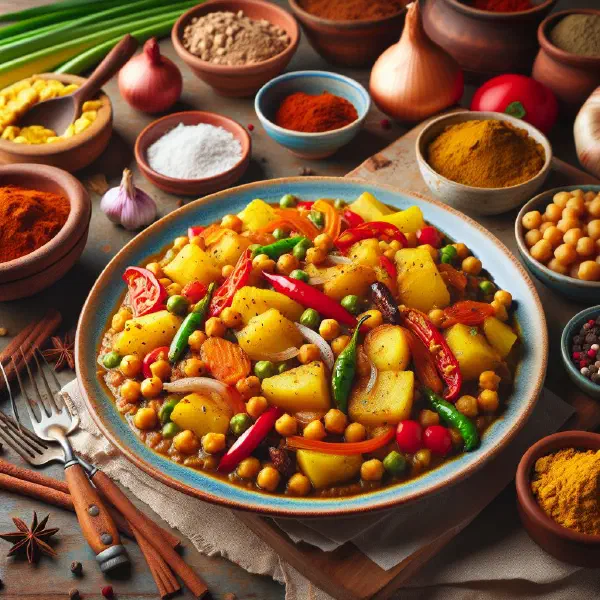
Roti adapts especially well to vegan and vegetarian eating. Instead of meat, use a mix of seasonal vegetables such as courgette, aubergine or peppers, seasoned as imaginatively as you like. Tofu or seitan are excellent protein sources too, giving the filling a hearty, savoury backbone. A filling built on Stewed Lentils is another satisfying option.
More tips and tricks
To make your roti even tastier, marinate the filling for a while before cooking. The flavours penetrate far better and the whole thing tastes noticeably more intense. Another tip is to stir fresh herbs such as coriander or parsley through the filling for a bright, fresh note. It is also worth frying the roti over medium heat, which gives you even cooking and a perfect, unhurried browning.
Adapting the recipe to your taste
Roti is an extremely flexible dish that can be shaped around your personal preferences. Experiment with fillings that suit your palate, chickpeas, spinach, or other meats such as lamb or beef. If you like slow-cooked richness, the approach behind a Curried Goat transfers beautifully to a roti wrap. Try different spice combinations as well, and you will soon have a roti that is unmistakably yours.
Ingredient substitutions
If some of the ingredients are not to hand, there is no cause for concern. Almond flour or oat flour can stand in for wheat flour to give a gluten-free option. The chicken, likewise, can be swapped for chickpeas or lentils for a hearty plant-based source of protein, much as they do in Pigeon Peas And Rice.
Drink pairing ideas
Caribbean drinks are the natural partner for roti and round the whole experience off nicely. A refreshing rum punch or a mango smoothie both make ideal companions. A glass of cold, crisp beer also complements the spicing well. For an alcohol-free option, fruit juices or a fiery Ginger Beer bring exactly the right balance to the meal.
Serving and presentation ideas
Presentation makes a real difference with roti. Lay the fried parcels generously across a colourful serving platter to create an inviting spread. Fresh herbs such as parsley or coriander work well as a garnish, adding colour and freshness to the plate. Serve a small bowl of spicy sauce or Mango Chutney alongside to give your guests an extra dimension of flavour.
A bit of history
Roti has its roots in Indian cooking and reached the Caribbean, and Saint Lucia in particular, with the arrival of Indian indentured labourers. Over the years the traditional preparation was adapted to take in local ingredients and tastes. Roti is therefore not simply a dish but a symbol of the cultural blending that shaped the region, one of the defining threads of Saint Lucian cuisine. Today it is enjoyed in countless variations in restaurants and roadside stalls right across the island.
More recipe ideas
Summary: Roti
In short, roti is far more than a simple dish. It is a culinary experience that brings together the flavours and traditions of the Caribbean. Thanks to its versatility and its willingness to bend to almost any style of eating, it slots easily into your weekly cooking. It is the sort of food that draws friends and family around the table and never fails to win people over. Give it a try and bring a little piece of Saint Lucia into your kitchen. You will not be disappointed.