National Dish St. Lucia: Shrimp Creole (Recipe)
In this article
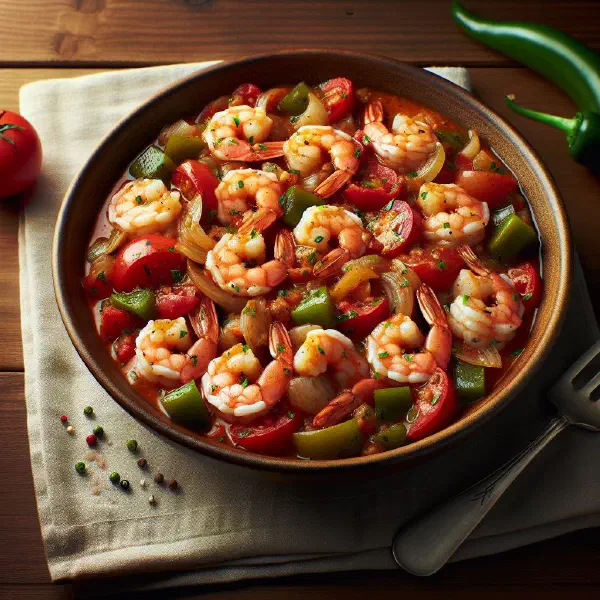
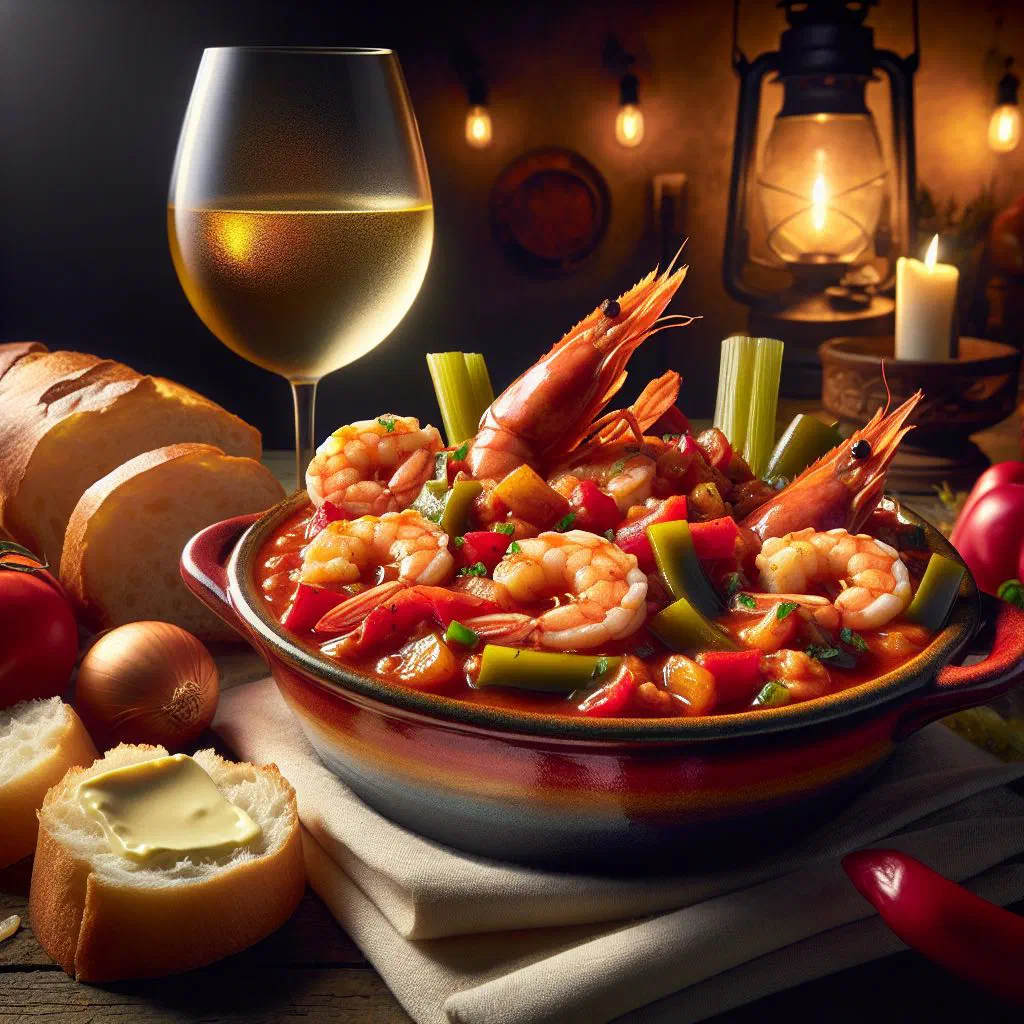
Discover Shrimp Creole, a dish that carries the warmth of the Caribbean straight to your plate. Tender prawns simmer in a bright sauce of ripe tomatoes, sweet peppers and gently toasted spices, finished with a squeeze of lime. It is quick enough for a weeknight yet vivid enough for guests, and it captures the colour and confidence of St. Lucian cooking in a single pan.
About Shrimp Creole
Shrimp Creole is more than a recipe; it is an experience that brings the flavours of the Caribbean directly to your table. The combination of tender prawns, fresh tomatoes, crisp peppers and aromatic spices creates a symphony of flavour all its own. The dish mirrors the colourful culture and culinary variety of St. Lucia. For anyone who enjoys good food it is a genuine discovery, and for lovers of the Caribbean it is simply a must.
Ingredients (serves 1–2)
- 250 g fresh prawns, peeled and deveined
- 2 large tomatoes, diced
- 1 green pepper, diced
- 1 onion, chopped
- 2 cloves of garlic, finely chopped
- 1 tablespoon olive oil
- 1 teaspoon paprika
- 1 teaspoon ground cumin
- Salt and pepper to taste
Shopping for the ingredients
When shopping for shrimp creole, freshness makes all the difference. Ideally buy fresh prawns from a good fishmonger or a source you trust, as their sweetness carries the whole dish. The other ingredients, such as the tomatoes and peppers, should be ripe and full of aroma. Local markets and organic shops are the best places to find produce of that quality, and they often stock the Caribbean staples that turn up in dishes like Pigeon Peas and Rice too.
Preparing the dish
Before you start cooking shrimp creole, get all the ingredients ready. Cut the tomatoes and peppers into evenly sized dice so that everything cooks at the same rate. Chop the onion and garlic finely to draw out their aromas to best effect. Having every component prepared and within reach keeps the cooking process smooth and unhurried.
Step-by-step instructions
- Heat the olive oil in a frying pan over a medium heat.
- Add the onion and garlic and fry until translucent.
- Tip in the diced tomatoes and peppers and let everything simmer for around 5 minutes.
- Add the paprika, cumin, salt and pepper and stir well to combine.
- Add the prawns and cook until they are pink and cooked through, roughly 3–5 minutes.
Gluten-free / lactose-free version
The good news for anyone with a gluten or lactose intolerance is that shrimp creole is naturally gluten-free and lactose-free. Simply use fresh, unprocessed ingredients throughout. When buying spice blends, check the ingredients list to make sure no hidden gluten has crept in. With that small precaution, nothing stands between you and a relaxed, thoroughly enjoyable meal.
Tips for vegans and vegetarians
For vegans and vegetarians the dish adapts easily. Instead of prawns, use tofu or tempeh, both of which provide an excellent protein-rich alternative. Combine them with the same vegetables and spices to keep the flavour full and rounded. It is a great way to enjoy the character of shrimp creole without any animal products at all, much like a bowl of Stewed Lentils.
More tips and tricks
A few simple tricks can make your shrimp creole even better. Experiment with additional spices such as cayenne pepper or thyme to build extra depth of flavour. Take care not to overcook the prawns, as they lose their tenderness quickly. A squeeze of fresh lime juice just before serving lifts the whole pan and brightens the sauce beautifully.
Adapting the recipe to your taste
Everyone has different preferences, and tuning shrimp creole to your own is part of the fun. Add hotter chillies for more heat, or increase the variety of vegetables by bringing in carrots, courgette or sweetcorn. The base stays the same, which is exactly what makes the dish so easy to adapt.
Ingredient substitutions
If you are missing a few ingredients for shrimp creole, there is no need to abandon the plan. Tinned tomatoes work perfectly well in place of fresh ones, saving time while still delivering a rich flavour. For anyone who is not keen on peppers, broccoli or green beans make a fine substitute and add a welcome splash of colour to the pan.
Drink pairing ideas
The right drink rounds off the shrimp creole experience. A light, refreshing white wine or a fruity cocktail with lime and mint harmonises wonderfully with the spices in the sauce. For alcohol-free options, coconut water or a fresh fruit smoothie work well, and a chilled Passion Fruit Punch is hard to beat. These drinks offer welcome relief from the warm, peppery notes of the creole.
Serving and presentation ideas
To present shrimp creole attractively, use colourful plates that echo the vibrancy of the dish. Garnish with fresh herbs such as coriander or parsley for a pleasing contrast. Serve it with a mound of rice or quinoa alongside, a fragrant Coconut Rice is a particularly good match, to create the perfect plate. A thoughtful presentation makes the whole meal feel that much more inviting.
A bit of history
Shrimp creole has its roots in Creole cooking, which grew out of French, African and Caribbean influences. In St. Lucia in particular the dish is enormously popular and is usually made with local produce. It is a pleasure to eat and tells the story of the region’s cultural variety and culinary adaptability, a thread that runs through much of St. Lucian cuisine. Shrimp creole is therefore not simply a meal but a piece of living heritage.
More recipe ideas
Summary: Shrimp Creole
Shrimp creole is a genuinely delicious dish that embodies the flavours and colours of the Caribbean. Built on fresh ingredients and a well-judged blend of spices, it is both straightforward to make and a feast for the senses. It is well worth a try. Let its richness and variety inspire you, and bring a little piece of St. Lucia into your own kitchen.