National Dish St Vincent and the Grenadines: Black Cake (Recipe)
In this article
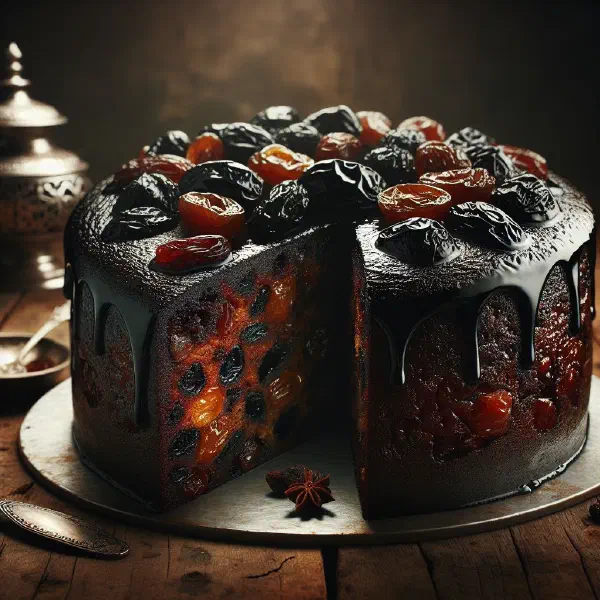
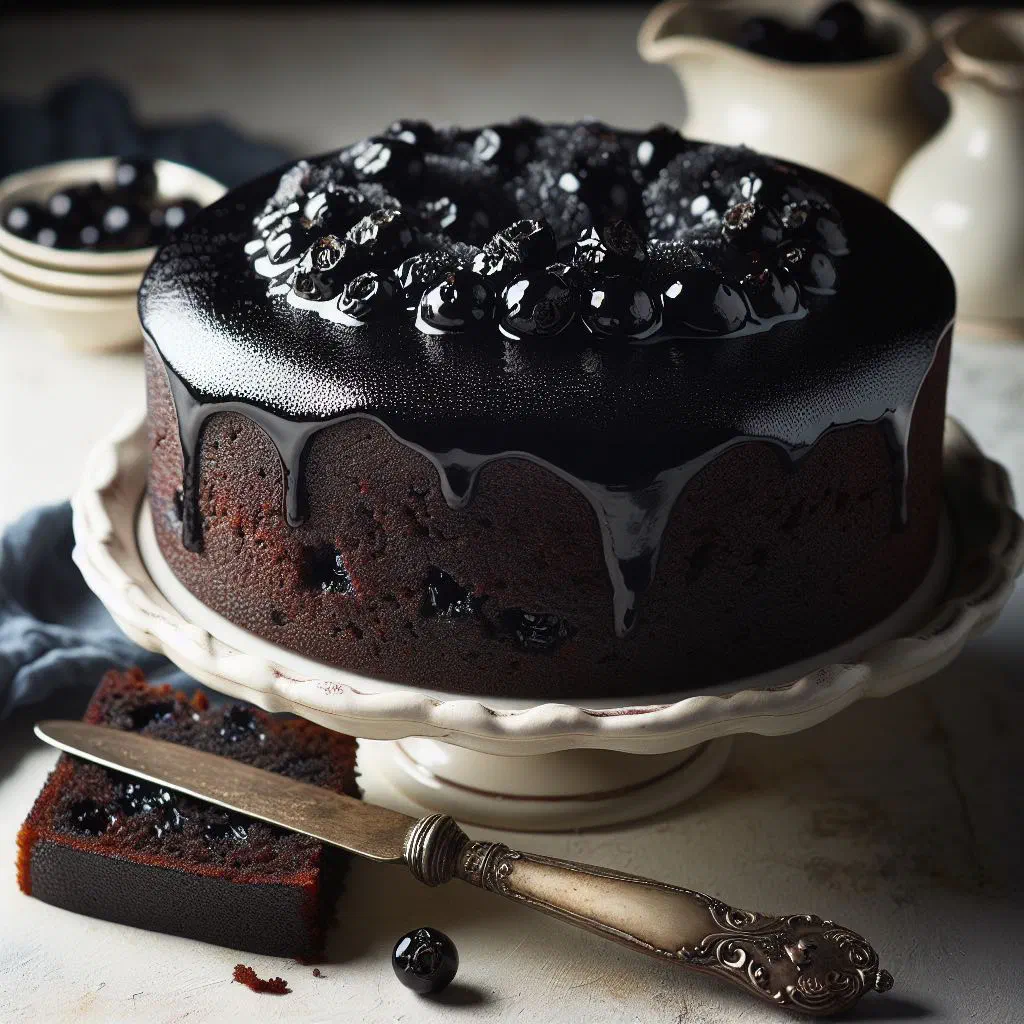
Meet Black Cake, the deep, dark, unmistakably festive bake that appears on every celebration table in St Vincent and the Grenadines. Dried fruit steeped for days in rum, warm nutmeg and cinnamon, and a crumb so moist it almost glistens. This is a cake with patience baked into it. Weddings, Christmas, christenings: wherever Vincentians gather, a black cake is quietly waiting to be sliced.
About Black Cake
Black Cake is a classic dessert from St Vincent, served at festive occasions and family celebrations of every kind. This rich, deeply aromatic bake has its roots in British colonial history and is typically handed down from one generation to the next. Making it takes time and no small amount of patience, but the end result is a genuine treat. With its distinctive marriage of dried fruit, spices and rum, black cake offers a combination of flavours that appeals to locals and visitors alike.
Ingredients (serves 1–2)
- 200 g dried fruit (raisins, dates, figs, for example)
- 100 g brown sugar
- 125 ml rum
- 2 eggs
- 200 g plain flour
- 1 tsp baking powder
- 1 tsp ground cinnamon
- 1 tsp grated nutmeg
- 1 tsp vanilla extract
- A pinch of salt
Shopping for the ingredients
When shopping for black cake, choose fresh, good-quality ingredients to guarantee the best flavour. The dried fruit matters most of all, since it gives the cake its sweetness and its famously moist texture. Visit a local market or a well-stocked supermarket to be sure of finding the best produce. Do not forget the spices, cinnamon and nutmeg are what give the cake its characteristic note, the same warm baking spices that lift a batch of Nutmeg Muffins.
Preparing the dish
Preparing black cake happens in several stages, each one making sure the cake reaches the right consistency and the perfect flavour. Begin by soaking the dried fruit in rum overnight. This lets the fruit take up the aromas of the rum and become far juicier. The next day, blend the soaked fruit to a smooth mixture that can then be worked into the batter.
Step-by-step instructions
- Preheat the oven to 160 °C and grease a cake tin.
- Blend the soaked and puréed fruit with the sugar, eggs and vanilla extract.
- In a separate bowl, combine the flour, baking powder, cinnamon, nutmeg and salt.
- Add the dry ingredients slowly to the fruit mixture and stir everything together well.
- Pour the batter into the prepared tin and bake for about 1 hour, until golden brown.
- Let the cake cool completely before serving.
Gluten-free / lactose-free version
For a gluten-free and lactose-free black cake, use a gluten-free flour blend that offers a similar texture. Make sure all the other ingredients are lactose-free too, particularly if you choose to add butter. The remaining components, such as the dried fruit and the rum, are naturally free of both gluten and lactose. These small adjustments mean that people with particular dietary needs can enjoy this traditional dessert as well.
Tips for vegans and vegetarians
To make black cake vegan, replace the eggs with plant-based alternatives such as apple purée or ground flaxseed. These ingredients help bind the batter and preserve the texture of the cake. Check that the rum you use is free of animal products as well. With these simple modifications the flavour and the moistness are entirely retained, while the cake becomes suitable for vegans.
More tips and tricks
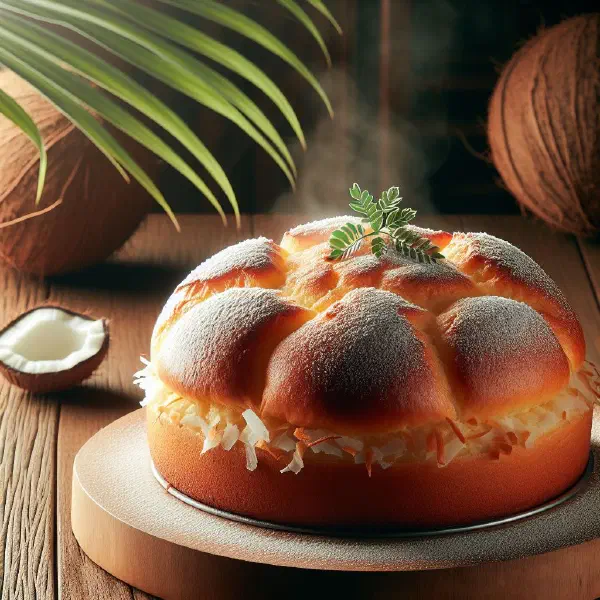
A few practical tips can improve your black cake considerably. Soaking the dried fruit a full week in advance, for instance, lets the flavour grow far more intense. Timing in the oven is equally decisive; baking too long will dry the crumb out. Use a skewer test to check for doneness before you take the cake out. The same careful hand pays off in other island bakes, such as a Coconut Sweetbread.
Adapting the recipe to your taste
Black cake adapts easily to different palates. Experiment with various dried fruits to create combinations of your own. Some bakers prefer a sweeter version, while others like to add extra spices or nuts. That is the joy of baking: you control the ingredients and can shape the cake exactly to your liking.
Ingredient substitutions
If you are looking for alternatives to particular ingredients, there is plenty of room to improvise. In place of rum, fruit juices or alcohol-free substitutes give a sweet base without the spirit. Instead of brown sugar, honey or a sweetener of your choice will do the job. Substitutions like these keep the cake both nourishing and delicious, much as a fruit-forward Pineapple Rum Cake can be dialled up or down to taste.
Drink pairing ideas
Black cake goes particularly well with a range of drinks. A cup of freshly brewed coffee or a fragrant tea complements its sweet notes perfectly. For a more festive occasion, serve it with a sweetened rum cocktail or a glass of mulled wine. A cold glass of Sorrel Drink is the classic Vincentian choice at Christmas and makes a lovely contrast to the richness of the cake.
Serving and presentation ideas
To present black cake attractively, dust it with icing sugar or finish it with a smooth fondant glaze. Serving it with fresh fruit or a scoop of ice cream also makes for a handsome plate. Use pretty dessert plates and garnish with mint leaves or edible flowers to improve the overall picture. A thoughtful presentation raises the whole experience for your guests.
A bit of history
Black cake has a history reaching back to the colonial era. Born originally as a Christmas cake, it stood as a symbol of festivity and celebration in Caribbean culture. The cake brings together several cultural strands, British, African and local traditions, which is what makes it such a distinctive part of the culinary heritage of St Vincent. Today it is not only a much-loved dessert but a piece of history in its own right, and one of the finest expressions of Vincentian cuisine.
More recipe ideas
Summary: Black Cake
Black cake from St Vincent is far more than a simple dessert; it is an expression of cultural tradition and baking craft. Careful choice of ingredients and genuine care in the making produce a singular cake that pleases the palate and tells a story at the same time. With a few adjustments anyone can enjoy this delicious bake, whatever their dietary preferences or allergies. This recipe links the past to the present and deserves a place in your kitchen.