National Dish St Vincent and the Grenadines: Cassava Bread (Recipe)
In this article
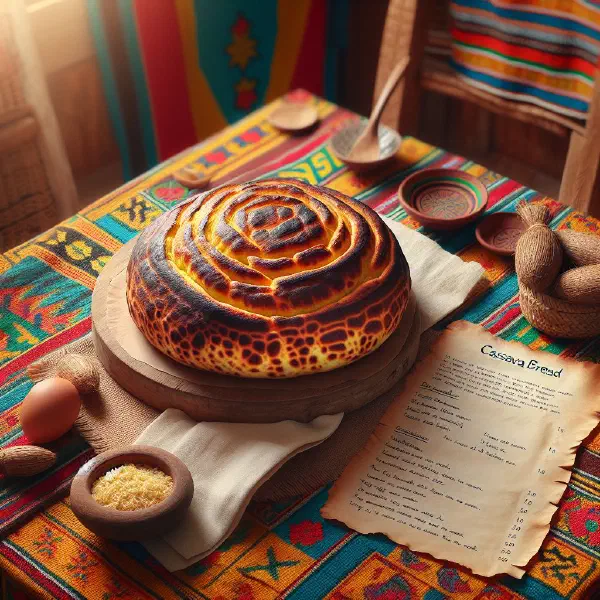
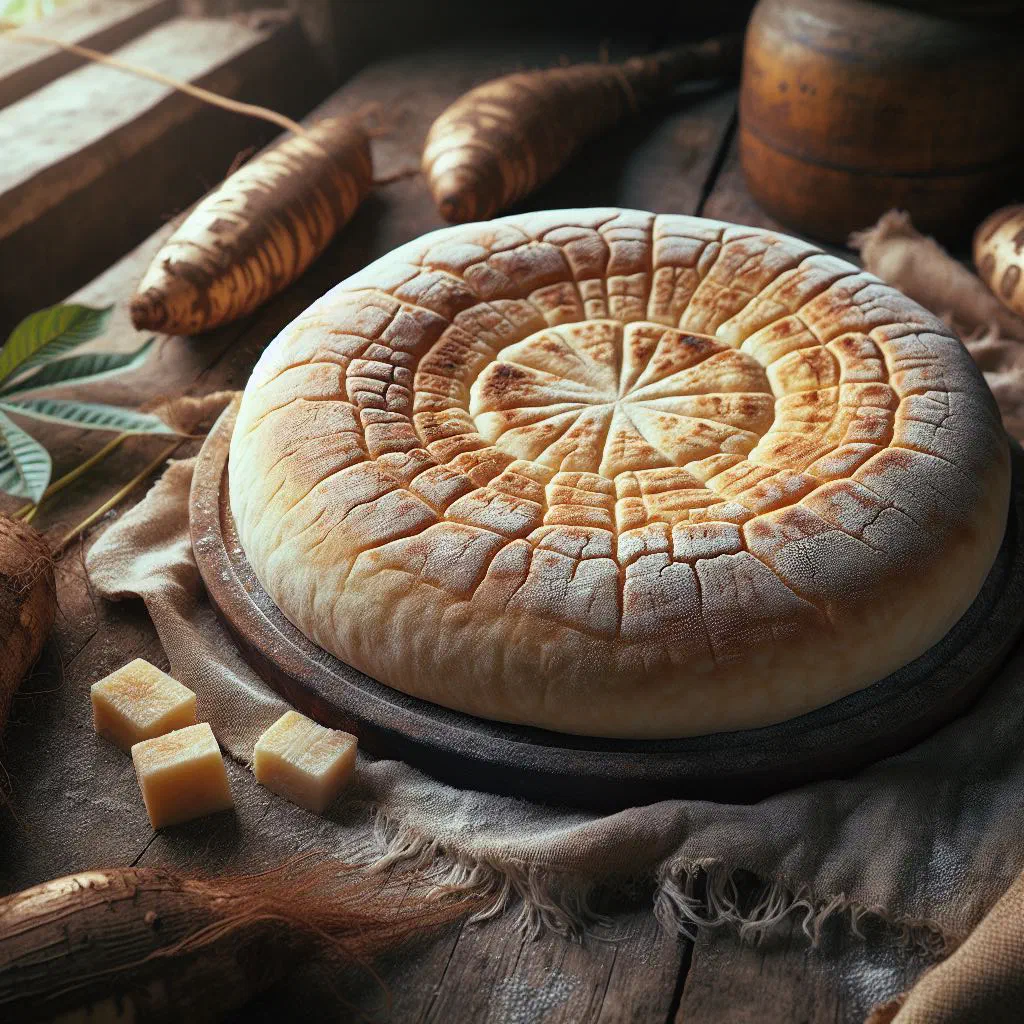
Few things say Caribbean home baking quite like Cassava Bread. Made from little more than grated cassava root, water and a pinch of salt, this humble flatbread has fed families in St Vincent and the Grenadines for centuries. It is naturally gluten-free, entirely plant-based and remarkably easy to make, crisp at the edges, tender in the middle, and every bit as good as a snack in its own right as it is alongside a bowl of stew. Bring a little island tradition into your own kitchen.
About Cassava Bread
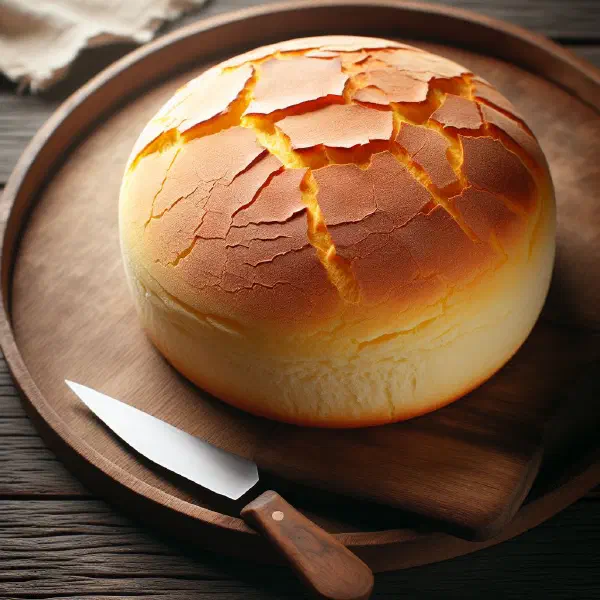
Cassava Bread, sometimes called manioc bread, is a traditional bake from St Vincent and the Grenadines. It is built almost entirely around the cassava root, a tuber known for its high starch content and its remarkable versatility in the kitchen. The bread has a flavour all of its own, mild, faintly nutty, gently sweet, and it is packed with nutrients that make it a genuinely wholesome choice. Cassava bread is a staple in Caribbean households.
Ingredients (serves 1–2)
- 2 cups grated cassava root
- ½ cup water
- 1 teaspoon salt
- 2 tablespoons olive oil
- ½ teaspoon baking powder (optional)
Shopping for the ingredients
The ingredients for cassava bread are refreshingly easy to track down. Cassava root is widely stocked in Caribbean and Asian grocery shops if your usual supermarket does not carry it, and frozen grated cassava is a perfectly good shortcut. Look for roots that are firm and fresh, with no dark patches or splits running through the flesh. The remaining ingredients, salt, olive oil and baking powder, are almost certainly already in your cupboard, though it is worth reaching for good-quality oil to get the best out of the finished bread.
Preparing the dish
Getting ready to bake cassava bread is straightforward and takes only a few steps. Begin by peeling the root thoroughly and washing it clean, removing the fibrous core running down the centre. Next, grate or blitz the flesh until you have a smooth, evenly textured mass with a slight sheen to it. Measure out the rest of your ingredients before you start mixing, a little organisation here keeps the whole process moving along nicely.
Step-by-step instructions
- Tip the grated cassava into a bowl and mix thoroughly with the water, salt, olive oil and, if using, the baking powder.
- Knead the dough until it comes together with a smooth, even consistency.
- Shape the dough into small flatbreads and arrange them on a baking tray.
- Bake in a preheated oven at 180°C for about 30–40 minutes, until lightly golden.
- Let the breads cool briefly before serving.
Gluten-free / lactose-free version
Cassava bread is naturally gluten-free and contains no lactose whatsoever, since it is made entirely from cassava root and other plant-based ingredients. That makes it an excellent choice for anyone living with coeliac disease or a lactose intolerance. All you need to do is check that every ingredient you use, particularly the olive oil and the baking powder, is certified free from gluten as well. With that box ticked, you can enjoy this delicious bread without a second thought.
Tips for vegans and vegetarians
Cassava bread is a superb option for vegans and vegetarians, as it contains no animal products at all. The core ingredients are entirely plant-based, and choosing regional or organic produce where you can is a small way to lighten the environmental load. For extra depth of flavour, work fresh herbs or ground spices into the dough before shaping. That one small adjustment turns an already nourishing bread into something genuinely moreish, much like the herb-flecked Cassava Dumplings found on the same islands.
More tips and tricks
To get the texture of your cassava bread exactly right, add the water slowly and in stages. The amount you need varies with how moist the root itself is, and it is far easier to add than to take away. A splash of extra oil helps produce a softer, less crumbly crumb. You can also play with the baking time depending on how crisp you like your bread, a few minutes longer gives you a satisfying snap at the edges. Experiment with oven temperatures until you land on your own version of perfection.
Adapting the recipe to your taste
The cassava bread recipe takes happily to personal tweaks. Stir in chopped onions, garlic or sweet peppers for a savoury lift. You could also branch out with the spicing, a little cumin or turmeric lends a warm, aromatic character, while hot peppers or fresh coriander folded through the dough make the bread livelier still. Treat the base recipe as a starting point rather than a rule.
Ingredient substitutions
If cassava root proves hard to find, there are a few alternatives worth trying. Yuca is the same family of tuber under a different name and works as a direct swap. For a lighter, less filling result you might use oat flour or rice flour, though the texture will shift noticeably away from the original. Bear in mind that every ingredient brings its own flavour and structure to the table, so choose with care, the same principle applies when you are working with Cassava Pone.
Drink pairing ideas
A number of drinks sit beautifully alongside cassava bread. A fresh fruit juice, pineapple or mango, say, complements the bread perfectly and brings a slice of the Caribbean to the table. For something with a bit more occasion about it, serve a classic island cocktail, or pour a glass of chilled Sorrel Drink. Unsweetened iced tea is another welcome refreshment that lets the flavour of the bread come through clearly.
Serving and presentation ideas
To show cassava bread off at its best, pile the flatbreads onto a colourful serving board or heap them into a lined basket. A scattering of fresh herbs looks attractive and adds a little extra aroma into the bargain. Serve the bread with a dip or spread on the side to impress your guests, a fruity Mango Chutney is a natural match. A thoughtful arrangement lifts the look of the whole meal and gets appetites going before the first bite.
A bit of history
Cassava bread carries a long history within Caribbean culture. It was originally a staple food for the region’s indigenous peoples, who relied on the cassava root to meet their daily energy needs long before European contact. Today the bread is often served at festivals and special occasions, and it is a small emblem of St Vincent and the Grenadines cuisine. The techniques and traditions behind it are passed down through generations within families, which is precisely what makes it such an enduring part of the islands’ cultural identity.
More recipe ideas
Summary: Cassava Bread
In short, cassava bread is a delicious and nourishing flatbread that is genuinely simple to make at home. It brings together the character of traditional Caribbean cooking with real nutritional benefits and an impressive range of uses. Thanks to the pared-back recipe and the many ways it can be adapted, everyone can arrive at their own favourite version. Let the cooking of the islands inspire you and bring a piece of that culture into your own kitchen.