National Dish St Vincent and the Grenadines: Roti (Recipe)
In this article
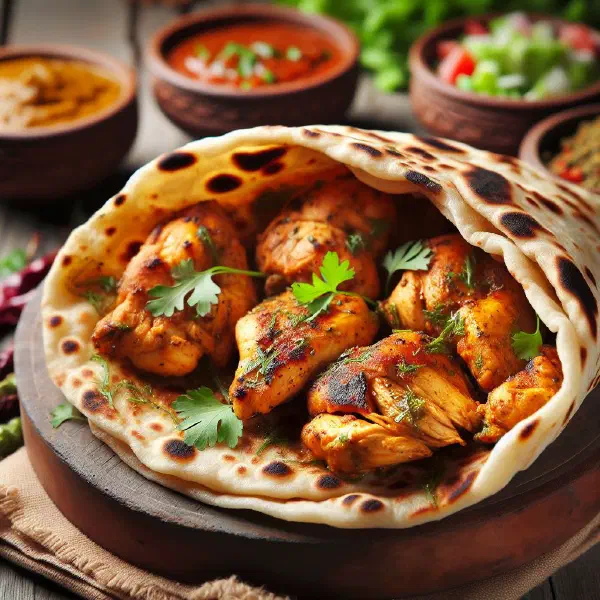
Discover Roti, the golden flatbread that has become one of the best-loved everyday meals across St Vincent and the Grenadines. A soft, freshly griddled wrap is folded around a fragrant filling of tender meat or vegetables, all warmed through with curry powder and island spices. It is quick, generous and endlessly adaptable, a taste of Caribbean street life you can put together in your own kitchen with very little fuss.
About Roti
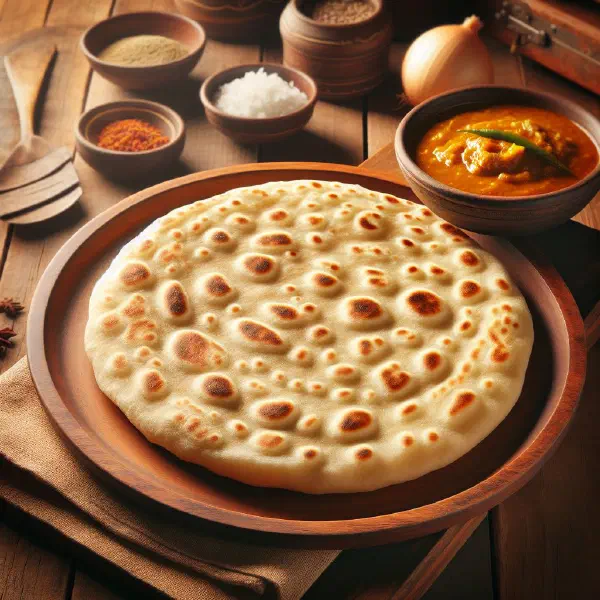
Roti is a traditional dish with roots in both Caribbean and Indian cooking. It consists of a freshly baked flatbread, usually made from wheat flour, wrapped around a delicious filling of meat or vegetables. The gentle warmth of the exotic spices turns it into a genuine flavour experience. Roti makes an excellent quick lunch or a hearty evening meal, and it is every bit as popular with locals as it is with visitors.
Ingredients (serves 1–2)
- 200 g wheat flour
- 1 teaspoon baking powder
- 2 tablespoons oil or butter
- 125 ml water
- 200 g meat (chicken, beef or lamb) or vegetables
- 1 onion, diced
- 2 garlic cloves, crushed
- 1 teaspoon curry powder
- Salt and pepper to taste
Shopping for the ingredients
When shopping for roti, pay close attention to how fresh everything is. Visit a local market for good vegetables and quality meat. The spices matter just as much; fresh, well-stored spices give the dish a far more intense aroma. Many Asian or Caribbean grocers stock the specialist ingredients you need for a properly authentic flavour, much as they do for a Curry Goat.
Preparing the dish
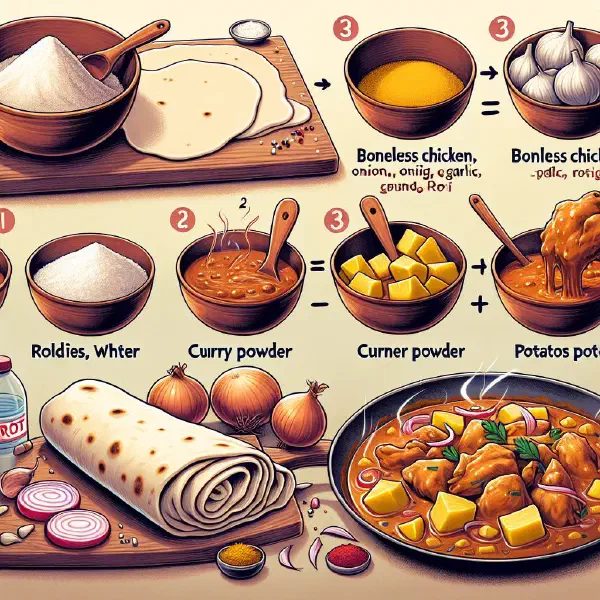
Preparing roti is straightforward and can be done in very little time. Start with the flatbread itself. Combine the flour, baking powder, oil and water to form a smooth, supple dough. Leave it to rest for about 30 minutes while you get on with the filling. For the filling, fry the onions, garlic and your chosen meat or vegetables, then add the spices to draw out the best of their flavour.
Step-by-step instructions
- Combine the flour, baking powder, oil and water for the dough until it comes together smoothly.
- Leave the dough to rest for 30 minutes and prepare the filling in the meantime.
- Fry the onion and garlic in a pan, then add your chosen meat or vegetables.
- Add the spices and mix everything well. Cook for around 10 minutes.
- Divide the dough into small portions and roll each one out thinly.
- Spoon the filling into the centre of each piece and fold the edges over.
- Cook the roti in a hot, dry pan until golden brown on both sides.
Gluten-free / lactose-free version
For a gluten-free version of roti, use a gluten-free flour blend in place of the wheat flour. Do check that all the other ingredients are gluten-free as well. To make it lactose-free, simply swap the butter for a vegetable oil or margarine. There are plenty of alternatives that taste just as good and keep the wonderful aroma intact.
Tips for vegans and vegetarians
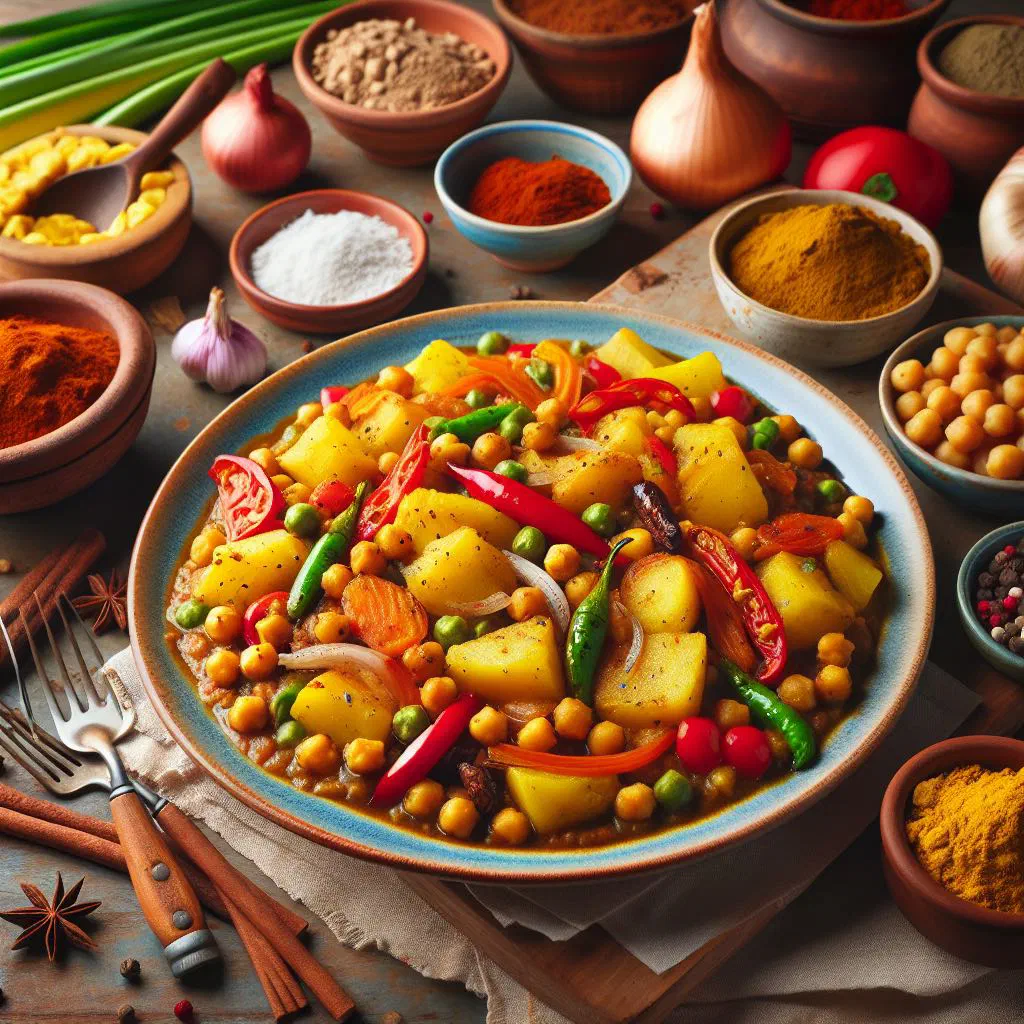
Roti adapts just as easily for vegans and vegetarians. Instead of meat, use a mixture of different vegetables such as peppers, carrots and peas. Tofu or tempeh also make an excellent source of protein and complement the spiced filling perfectly. Season the mixture generously with turmeric, cardamom and other spices to deepen the flavour.
More tips and tricks
To make your roti even tastier, try out different fillings. Adding pulses such as lentils or chickpeas, for example, brings extra nutrition to the wrap. Experiment with different spices, the flavour becomes far livelier for it. A squeeze of lime juice also lends a refreshing note, in much the same way it lifts a plate of Fried Fish Creole.
Adapting the recipe to your taste
Adapt your roti to suit your own preferences by varying the filling. The spices are easy to adjust. The type of flour can be changed as well, depending on the texture you are after. Do not be shy about getting creative and trying different combinations.
Ingredient substitutions
If you do not have all the listed ingredients to hand, there are many alternatives. Fish can be used instead of chicken, for instance, which gives the dish a whole new dimension, the same thinking behind a Shrimp Roti. Leeks or spring onions work well in place of the onion. Be adventurous. The best dishes often come out of spontaneous combinations.
Drink pairing ideas
Plenty of drinks go beautifully with a good roti. A freshly pressed fruit juice, pineapple or mango, say, or a chilled Passion Fruit Juice, brings Caribbean flavours straight to your table. A light, refreshing beer is another good choice for balancing the spices. And for anyone who fancies something stronger, a rum cocktail makes a very fitting companion.
Serving and presentation ideas
Presentation plays its part in making roti feel all the more inviting. Serve the dish on brightly coloured plates and garnish with fresh herbs such as coriander or parsley. A dip on the side, a spiced tamarind or chilli sauce, for instance, is always a hit. Your guests will be won over by the variety and the aroma of the whole spread.
A bit of history
Roti has a fascinating history stretching between the Caribbean and India. It was brought to the islands by Indian indentured labourers and immigrants, where it mingled with local ingredients and traditions. Today it is a firm fixture of St Vincentian cuisine and is enjoyed in countless variations. The different cooking methods and fillings reflect the depth and cultural diversity of the region.
More recipe ideas
Summary: Roti
Roti is far more than just a meal; it is a culinary experience that unites the flavours of the Caribbean with the influence of Indian cooking. With vegetables or in a fully plant-based version, the rich aromas and the sheer versatility of the recipe will win you over. Let this traditional dish inspire you and bring a piece of Caribbean culture into your own kitchen.