National Dish Sudan: Asida (Recipe)

In this article
Discover Asida, one of Sudan’s most cherished traditional dishes. This smooth, comforting mound of cooked wheat flour is served with a generous ladle of rich, aromatic sauce, turning a handful of humble pantry staples into something genuinely special. Simple to make yet deeply satisfying, asida is a symbol of hospitality and togetherness that brings people around the table. Bring a taste of Sudanese home cooking straight into your own kitchen.
About Asida
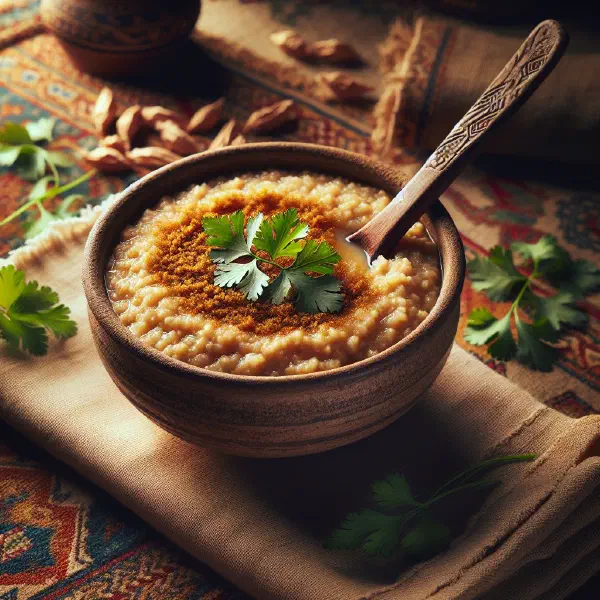
Asida is a traditional dish from Sudan that holds an important place in the country’s cuisine. It is made from finely milled wheat flour, which is worked into a smooth, pliable dough. Asida is far more than a pleasure for the palate. It is also a symbol of hospitality and a proud expression of Sudan’s cultural identity.
Ingredients (serves 1–2)
- 200g wheat flour
- 400ml water
- A pinch of salt
- 400g sauce of your choice (such as a meat, vegetable or lentil sauce)
Shopping for the ingredients
To make asida you need fresh wheat flour, which you may find in a Middle Eastern grocery or order online. Water and salt are everyday kitchen staples available in any supermarket. For the sauce you have a wealth of options, most of which are easy to source in any food shop. Feel free to visit local markets too, where fresh produce helps you keep the dish as authentic as possible.
Preparing the dish
Before you start making asida, gather all the ingredients and equipment you will need. A whisk or a wooden spoon is essential for stirring the dough and coaxing it to a smooth consistency. A saucepan with a well-fitting lid is also a must for bringing the water to the boil. Set up a clean, tidy work surface so the whole process runs smoothly from start to finish.
Step-by-step instructions
- Bring the water to the boil in a saucepan.
- Add a pinch of salt to the boiling water.
- Gradually add the wheat flour to the boiling water, stirring constantly with a whisk.
- Keep stirring until the mixture forms a smooth dough that pulls away from the sides of the pan.
- Take the pan off the heat and let the dough rest for a few minutes.
- Shape the dough into a round or oval mound, according to your preference.
- Serve the asida on a plate with the sauce of your choice.
Gluten-free / lactose-free version
For anyone with a gluten intolerance, there are good alternatives to wheat flour, such as rice flour or chickpea flour, both of which work well for making asida. These flours give a similar consistency and can achieve the texture and flavour you are after. For a lactose-free version, take care with the sauce and build it on a vegetable or broth base to make sure it contains no dairy. It is always worth checking the labels of every product you use to rule out anything that might not agree with you.
Tips for vegans and vegetarians
Asida is already vegan, as it consists only of wheat flour, water and salt. For the accompaniments, you can prepare vegetable or lentil sauces that contain no animal products at all. Experiment with different vegetables and spices to vary and adjust the flavours to taste. A combination of pulses and fresh vegetables makes a nourishing, delicious sauce that pairs perfectly with asida, much like the hearty base of a warming Lentil Soup.
More tips and tricks
To get the perfect asida, it is important to keep an eye on the consistency of the dough. If it becomes too firm, you can add a little more water to make it smoother and more pliable. Stir carefully to avoid forming any lumps, which would spoil the texture. Handling the dough gently helps it stay elastic and pleasant to eat. When it comes to presentation, you can shape the dish into a small pyramid for an attractive visual effect.
Adapting the recipe to your taste
There are plenty of ways to tailor asida to your own preferences. You can vary the spices in the sauce to create hotter or milder flavours, and the choice of broth or base for your sauce can change the taste considerably. Feel free to use seasonal ingredients to bring new and exciting flavours to the meal. A rich, saucy topping in the style of Kisra Mit Mullah works beautifully spooned over the smooth dough.
Ingredient substitutions
If you do not have wheat flour to hand, you can turn to maize flour or oat flour, both of which can be used in much the same way. For the sauce, you might also try different broths, such as vegetable stock in place of meat stock, to keep the whole meal plant-based. When it comes to choosing sides or dips, feel free to get creative and experiment with your own flavour combinations for a personalised experience.
Drink pairing ideas
A range of drinks pairs beautifully with a hearty dish like asida. A cool, minty lime water makes a refreshing addition that highlights the flavours of the food. For a traditional experience, a black tea or a fruity juice can also be served to complement the flavours in harmony. Experiment with different drinks to find the perfect pairing for your asida meal.
Serving and presentation ideas
The presentation of asida is just as important as its flavour. Serve the dish on a lovely plate and garnish it with fresh herbs or a slice of lemon to create a bright contrast. Take care to drape the sauce attractively around the asida. A simple yet appealing arrangement can noticeably enhance the eating experience and make for a truly memorable meal.
A bit of history
Asida has a long history in Sudanese culture and is often served at special occasions and celebrations. It is traditionally prepared in large quantities and can feed many people, which makes it an ideal dish for feasts and gatherings. Asida symbolises the flavours of Sudanese cooking and the sense of community and belonging experienced while sharing a meal. It is a dish that preserves stories and traditions and celebrates the cultural identity of Sudan, a wonderful window into Sudanese cuisine.
More recipe ideas
Summary: Asida
In summary, asida is a delicious dish and an important part of Sudan’s cultural heritage. It is simple to prepare and easily adapted to personal taste, while pairing it with different sauces opens up endless flavour combinations. On special occasions, asida nurtures a feeling of community and hospitality. Give it a try and let the charm of Sudanese cooking win you over.