National Dish Sudan: Basbousa (Recipe)
In this article
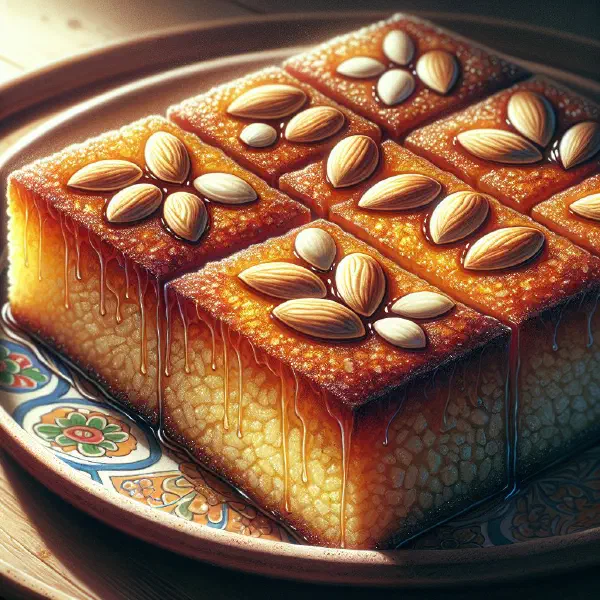
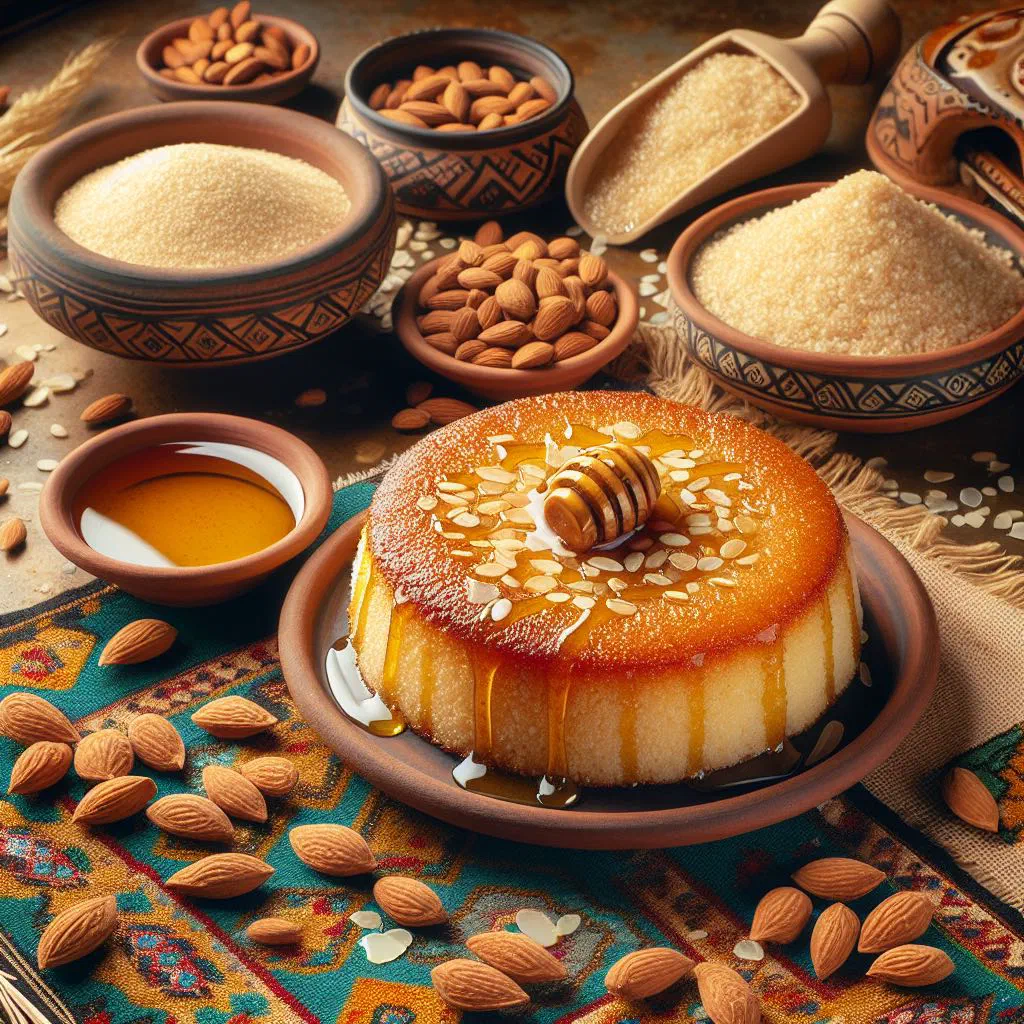
Say hello to Basbousa, the sweet semolina cake that captures the warm, fragrant spirit of Sudan and the wider Middle East. Soft, moist and gently perfumed with rosewater, this beloved dessert is as simple to make as it is satisfying to eat. Crowned with almonds and soaked in syrup, it turns up at celebrations and quiet afternoons alike. Bring a taste of Sudanese hospitality straight to your own kitchen.
About Basbousa
Basbousa is a traditional dessert with its roots in Sudan, and it is cherished across many countries of the Middle East too. This good sweet is made from fine semolina and prized for its wonderfully moist, tender crumb. Key ingredients such as almonds and rosewater give basbousa its unmistakable character, a flavour that is at once sweet and beautifully aromatic. It is often served at special occasions and holds a warm place in people’s hearts.
Ingredients (serves 1–2)
- 100 g semolina
- 150 g yoghurt
- 100 g sugar
- 50 g melted butter
- 1 tsp baking powder
- Rosewater, to taste
- Almonds, to decorate
Shopping for the ingredients
The ingredients for basbousa are available in almost any supermarket. Semolina and sugar can be found in the baking aisle, while yoghurt and butter usually sit in the chilled section. Rosewater can be bought from Middle Eastern grocers or ordered online. Almonds are also stocked in most supermarkets, either whole or blanched.
Preparing the dish
Before you begin, it helps to gather all your ingredients and prepare your baking tin. A square or rectangular tin suits basbousa best. Grease the tin thoroughly with butter to stop the cake sticking. Preheating the oven to 180 degrees Celsius is also essential so the cake bakes through evenly.
Step-by-step instructions
- In a bowl, thoroughly combine the dry ingredients — semolina, sugar and baking powder.
- In a separate bowl, mix the wet ingredients — yoghurt and melted butter — until well blended.
- Slowly add the wet ingredients to the dry ones and stir into a smooth batter.
- Add a few drops of rosewater and pour the batter into the prepared tin.
- Decorate with almonds and bake in the preheated oven for about 30–35 minutes.
Gluten-free / lactose-free version
Basbousa can easily be made gluten-free by swapping the semolina for a blend of gluten-free flours. For a lactose-free version, use lactose-free yoghurt or replace it entirely with a plant-based alternative. Take care that all the remaining ingredients are lactose-free too, so the whole dessert stays free from lactose. That way the pleasure is preserved without having to compromise on anyone’s needs.
Tips for vegans and vegetarians
Vegans can prepare basbousa by replacing the usual yoghurt with a plant-based yoghurt. The butter can likewise be substituted with cold-pressed vegetable oil, making the dessert suitable for a vegan diet. Reach for natural, unprocessed ingredients to keep that authentic flavour intact. The base ingredients stay the same, while the animal products are simply swapped for plant-based ones.
More tips and tricks
A few simple tricks help you get the very best from your basbousa. If you would like the dessert even sweeter, drizzle it with a sugar syrup straight after baking. This extra sweetness is a favourite touch for many and turns the cake into a real treat. Another tip is to add playful extras such as desiccated coconut or slivered almonds to give the classic recipe your own personal signature.
Adapting the recipe to your taste
Basbousa is easy to tailor to personal preference. You might experiment with different flavourings such as vanilla or even a little cinnamon to vary the taste. The amount of sugar can also be increased or reduced to suit you. The decoration can change too. Try different nuts or dried fruits to create a lovely visual and flavourful effect.
Ingredient substitutions
If you have no almonds to hand, other nuts such as walnuts or pistachios will give your basbousa a fresh flavour direction. Instead of sugar you could use honey or a sweetener of your choice to sweeten the dessert. Just make sure the substitutions work in harmony, so the finished cake loses none of its delicious quality. The same date-and-nut spirit runs through these Date and Nut Bars.
Drink pairing ideas
A range of drinks can round off basbousa beautifully. A classic Arabic coffee pairs wonderfully with the sweet notes of the semolina cake. Alternatively, offer a cooling mint tea to complement the dessert’s aromas, or a soothing cup of Sahlab. For a fruity, alcohol-free option, a glass of pink lemonade makes a refreshing companion to this sweet pleasure.
Serving and presentation ideas
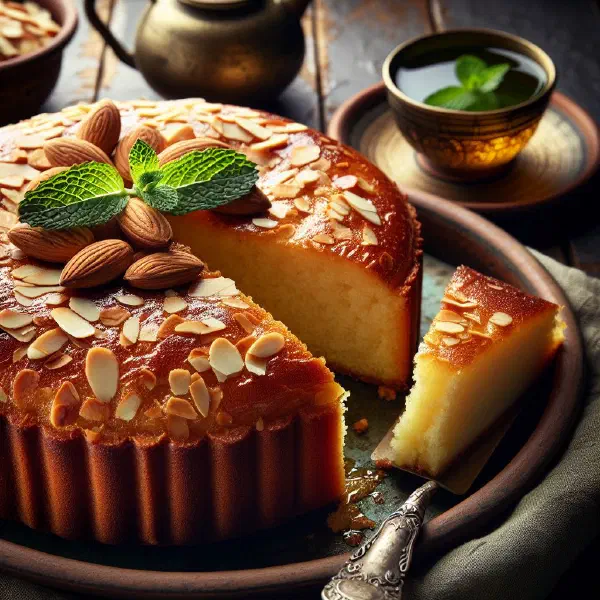
Presentation can lift the whole basbousa experience. Serve the dessert on an elegant plate or in a special dessert dish and garnish it with fresh mint leaves or edible flowers. A neat arrangement of almonds across the surface adds to its visual appeal. The way the dessert is presented shapes the overall impression and turns the meal into something special.
A bit of history
Basbousa has a long history in the Middle East and is known under many names, such as harissa or namoura. The dish is often linked with celebrations and is a much-loved treat at festive occasions. The combination of semolina, yoghurt and sweet sugar syrup is a joy to the palate and reflects the rich cultural traditions of Sudanese cuisine, a hallmark of wider Sudanese cooking. It is a symbol of hospitality, happily shared with friends and family.
More recipe ideas
Summary: Basbousa
In short, basbousa is a delicious and wonderfully simple dessert that embodies the flavours of Sudan and the Middle East. With its moist texture and the unmistakable taste of almonds and rosewater, it is the perfect sweet finish for special occasions. Give it a try and bring a little piece of Sudan into your own kitchen.