National Dish Sudan: Cheese Sambusa (Recipe)
In this article
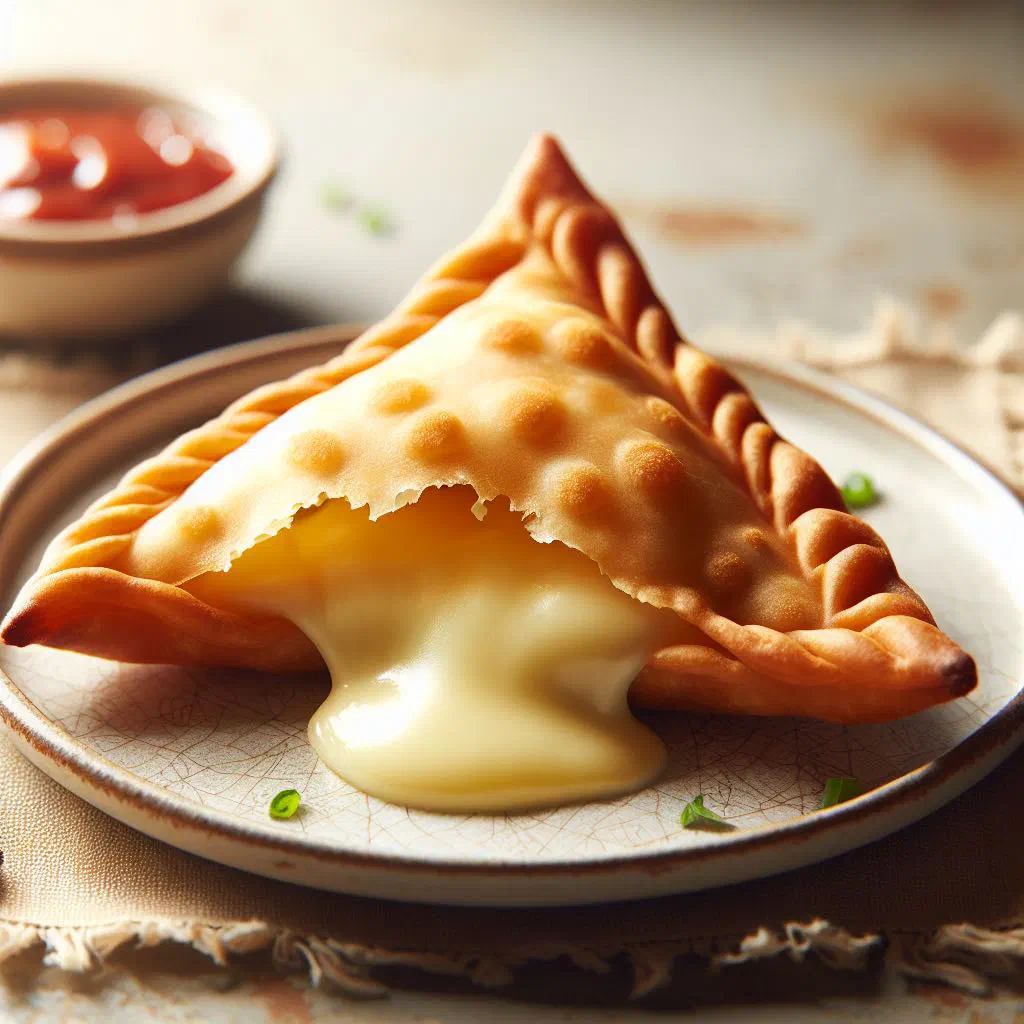
Say hello to Cheese Sambusa, one of Sudan’s most-loved savoury snacks. These crisp little pastry parcels wrap a warm, molten cheese filling in a delicate golden shell. Fragrant with gentle spices and impossibly moreish, they are a fixture at festive gatherings and relaxed evenings with friends alike. Bring a taste of Sudanese hospitality to your own kitchen and discover just how simple these treats are to make.
About Cheese Sambusa
Cheese Sambusa is a much-loved dish in Sudan, celebrated for its crisp texture and its savoury filling. These little pastry pockets are a delicious snack and a firmly rooted part of Sudanese culture. With their tender dough and aromatic cheese centre, they suit any occasion, whether a festive celebration or a cosy evening in. In this article you will find everything you need to know about preparing and varying these tasty morsels.
Ingredients (serves 1–2)
- 150 g cheese (such as feta or mozzarella)
- 200 g plain flour
- 50 ml water
- 1 tablespoon oil
- 1 teaspoon salt
- Spices (pepper, paprika and cumin, to taste)
- Oil for deep-frying
Shopping for the ingredients
To prepare Cheese Sambusa, you will need a handful of fresh ingredients. When buying the cheese, pay attention to quality, as it forms the very heart of the dish. For the dough, choose a good-quality flour to achieve a fine, smooth texture. Spices matter too, lending the sambusa their special flavour. Visit a local market or a specialist grocery to track down the best ingredients.
Preparing the dish
Good preparation is key to enjoying Cheese Sambusa at their best. Begin by chopping the cheese into small pieces and mixing it with the spices. This filling should be well seasoned to bring out plenty of flavour. The dough can be made in advance and kept in the fridge, which helps you save time later. That way the sambusa are quick to hand the moment hunger strikes.
Step-by-step instructions
- In a bowl, knead the flour, oil, salt and water into a smooth dough and leave to rest for 30 minutes.
- Roll the dough out on a floured surface and cut out rounds.
- Place the filling of cheese and spices in the centre of each piece of dough.
- Dampen the edges of the pastry pockets with water, then fold them closed.
- Heat the oil in a hot pan and fry the sambusa until golden brown.
- Drain on kitchen paper and serve warm.
Gluten-free / lactose-free version
For a gluten-free version of Cheese Sambusa, you can use gluten-free flour or switch to rice flour instead. This alternative delivers a similar flavour and a satisfyingly crisp texture. If you are lactose intolerant, choose a lactose-free cheese or a vegan cheese alternative for the filling. That way, people with special dietary needs can enjoy this delicious dish too.
Tips for vegans and vegetarians
For vegans, there are plenty of great ways to enjoy Cheese Sambusa. In place of cheese, use a mixture of mashed avocado, tofu and nutritional yeast to achieve a cheese-like consistency. Vegetables such as spinach or mushrooms also make for a tasty filling. Vegetarians can stick with the traditional cheese filling, but should take care to avoid matured cheeses if they contain animal rennet.
More tips and tricks
To get your Cheese Sambusa just right, there are a few tips worth remembering. Make sure the oil is thoroughly hot before you add the sambusa, so the dough does not turn soggy. Experiment with different spices to tailor the flavours to your own taste. If you would rather bake the sambusa in the oven, brush them with a little oil first to help them turn a lovely golden colour.
Adapting the recipe to your taste
Cheese Sambusa lend themselves wonderfully to personal preference. Add extra vegetables such as courgette or peppers to your cheese mixture to build in more flavour. You can also experiment with different types of cheese to find your favourite combinations. Do not be shy about getting creative and trying out new ingredients.
Ingredient substitutions
If you do not have certain ingredients to hand, there are always alternatives. Instead of feta you can use ricotta or cottage cheese, which offer a different but equally tasty flavour. In place of water in the dough, you might use milk or a plant-based milk alternative. This wealth of options means you can prepare your Cheese Sambusa exactly to your liking, much like you would when adjusting a batch of Samosas or Meat Sambusa to suit the occasion.
Drink pairing ideas
A variety of drinks pair beautifully with Cheese Sambusa. Try them with a refreshing mint tea or a classic hibiscus tea, both of which complement the flavours of the dish wonderfully. You might even brew up a pot of Sudanese Hibiscus Tea. A light beer can be a good choice too. For an alcohol-free option, a lively pomegranate juice rounds out the tasting experience nicely, in the same spirit as a chilled Sudanese Mango Juice.
Serving and presentation ideas
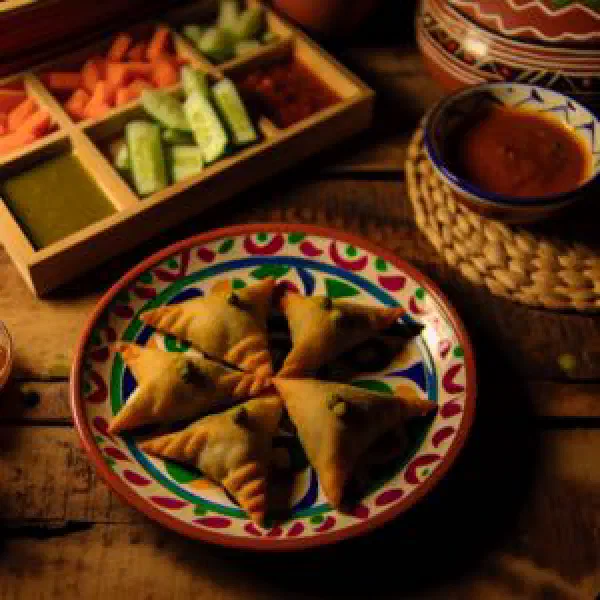
An appealing presentation of Cheese Sambusa can lift the whole eating experience. Serve the sambusa warm on an attractive plate and garnish them with fresh herbs such as parsley or coriander. A small bowl of sauce, such as a yoghurt dressing or a hot chilli sauce, brings a splash of colour into play. Do not forget to arrange everything creatively and invitingly to impress your guests.
A bit of history
Cheese Sambusa have their roots in Sudanese cuisine, which is strongly shaped by ethnic and cultural influences. These pastry pockets were originally created as a handy snack for travellers, yet they now reflect the culinary diversity of Sudan. Over the years they have grown into a much-loved dish, served in private homes and at celebrations and festivals. Their history and preparation are closely woven into the fabric of Sudanese cuisine.
More recipe ideas
Summary: Cheese Sambusa
Cheese Sambusa are a delicious snack that suits any occasion perfectly. With their crisp dough and savoury cheese filling, they bring a piece of Sudanese culture to the table. Cheese Sambusa are memorable. Give the recipe a try and discover the flavours and the history behind this tasty dish.