National Dish Sudan: Dama (Recipe)
In this article
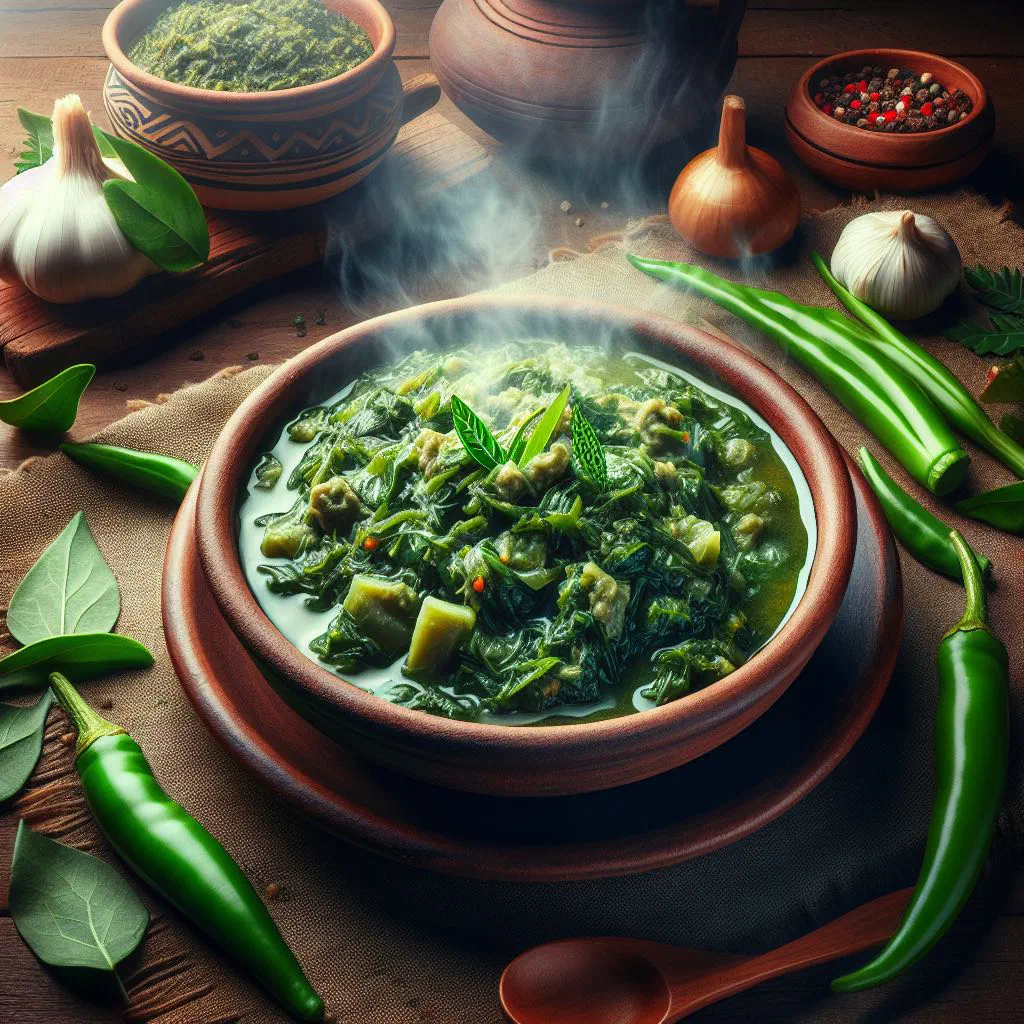
Discover Dama, a hearty and deeply aromatic stew that sits at the heart of Sudanese home cooking. Built around the leafy green molokhia, it simmers tender meat, garlic and warm spices into a comforting one-pot meal that is traditionally spooned over fluffy rice. Rich in flavour and steeped in centuries of tradition, this is the kind of dish that brings the family table together, and it is surprisingly simple to recreate in your own kitchen.
About Dama
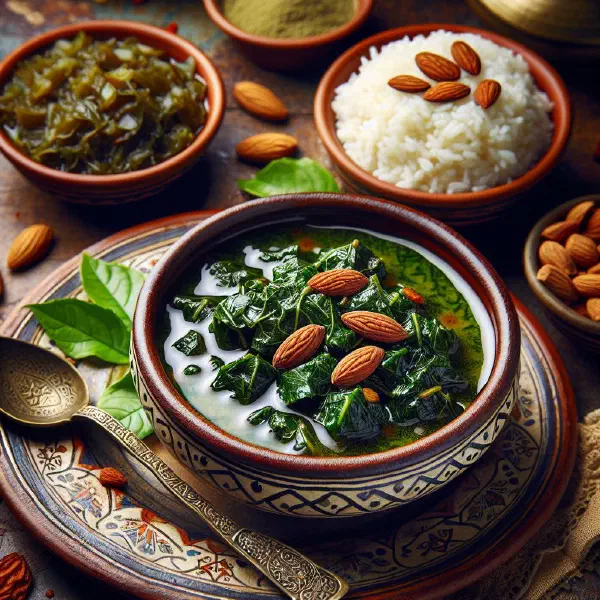
Molokhia, also known as mulukhiyah, is a traditional Sudanese dish built around the leafy plant of the same name. It is a savoury, fragrant stew, usually served with rice, and it belongs to a family of green stews loved right across the region, much like the classic Mulukhiyah. At its heart is a gentle balance of tender meat, garlic and coriander, all cooked down until the greens turn silky and full of flavour. In this recipe we share an authentic take on dama so you can bring this beloved dish to your own home.
Ingredients (serves 1–2)
- 200g fresh or frozen molokhia leaves
- 200g chicken or beef
- 1 medium onion
- 4 cloves of garlic
- 2 tablespoons vegetable oil
- 1 teaspoon coriander
- Salt and pepper, to taste
- 1 lemon
- Rice, to serve
Shopping for the ingredients
Most of the ingredients for molokhia are easy to find in a well-stocked supermarket. For the molokhia leaves themselves, it is worth visiting an Arabic or African grocery, where you will often find them sold fresh or frozen. Buying the freshest greens you can lay your hands on will give the finished stew the best colour and flavour, so seek out a good local source wherever possible.
Preparing the dish
Wash the molokhia leaves thoroughly and chop them finely. Cut the meat into small pieces and dice the onion. Crush the garlic cloves so they release their full aroma. A little groundwork here means the dish comes together smoothly once you start cooking, letting you work at a relaxed, steady pace.
Step-by-step instructions
- Heat the vegetable oil in a pan and fry the onions until golden brown.
- Add the meat and cook until it is completely done through.
- Stir in the garlic and coriander and fry everything for a further 2 minutes.
- Add the chopped molokhia leaves and stir well to combine.
- Let it simmer over medium heat until the molokhia is soft and the flavours have melded.
- Season with salt and pepper and finish with a drizzle of freshly squeezed lemon juice.
Gluten-free / lactose-free version
Dama is naturally gluten-free and lactose-free, which makes it a wonderfully inclusive dish. Serve it over plain rice rather than bread, and everyone at the table can enjoy it without worry. Take a moment to check that any stock or spice blend you use is free from added gluten, and you will have a dish that suits guests with a gluten intolerance or a dairy-free diet perfectly.
Tips for vegans and vegetarians
For a vegan or vegetarian version, you can swap the meat for tofu or chickpeas. The flavour stays every bit as delicious and authentic, thanks to the garlic, coriander and molokhia doing the heavy lifting. Choose fresh greens and good vegetable oil, and you will have a plant-based stew that holds its own alongside the traditional recipe.
More tips and tricks
- If you are using fresh molokhia leaves, blanch them briefly before chopping — it makes them far easier to work with.
- Adding a small amount of chilli lends the dish a pleasant, gentle heat.
- Let the stew simmer slowly so the greens have time to soften and take on the flavour of the garlic and coriander.
Adapting the recipe to your taste
You can easily tailor this recipe to your own preferences by trying different cuts or types of meat and varying the spices. The consistency is just as adjustable: add a little more liquid for a looser, soupier stew, or reduce it down for something thicker and richer. This flexibility makes dama a dish you can return to again and again without ever tiring of it.
Ingredient substitutions
If you cannot get hold of molokhia leaves, spinach or chard make a good stand-in. The flavour will be a little different, but the dish stays every bit as satisfying, in the same way that hearty greens shine in a dish like Okra Stew. Substitutions like these help you adapt the recipe to what is in season or simply to what you have to hand.
Drink pairing ideas
Molokhia pairs beautifully with a traditional Arabic tea or a refreshing drink such as mint lemonade. A glass of white wine also works splendidly if you fancy something with dinner. Whichever you choose, a lightly refreshing pairing balances the richness of the stew and rounds off the meal nicely.
Serving and presentation ideas
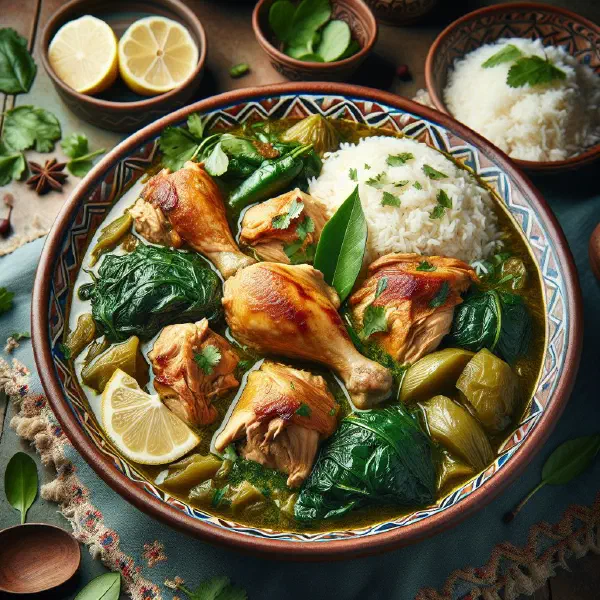
Serve molokhia in a lovely bowl and garnish it with fresh herbs and lemon slices. Arrange the rice separately, or shape it into small mounds for a more striking presentation. A few colourful sides turn a simple bowl of stew into an inviting spread that is as pleasing to the eye as it is to the palate.
A bit of history
Molokhia has a long history that reaches all the way back to ancient Egypt. It is said to have once been a dish of the pharaohs, later spreading across the Middle East and North Africa. Today it is an important part of Sudanese cuisine, and it sits comfortably alongside other regional staples in the broad and generous world of Sudanese cuisine.
More recipe ideas
Summary: Dama
Dama is a healthy, aromatic stew that is easy to prepare and endlessly adaptable to different tastes. With this recipe you can enjoy this traditional Sudanese dish in your own home, experiment with the ingredients, try the vegan options and serve it with a drink you love. Let the history and tradition of Sudanese cooking inspire you, and give this comforting classic a place at your table.