National Dish Sudan: Kajaik (Recipe)
In this article
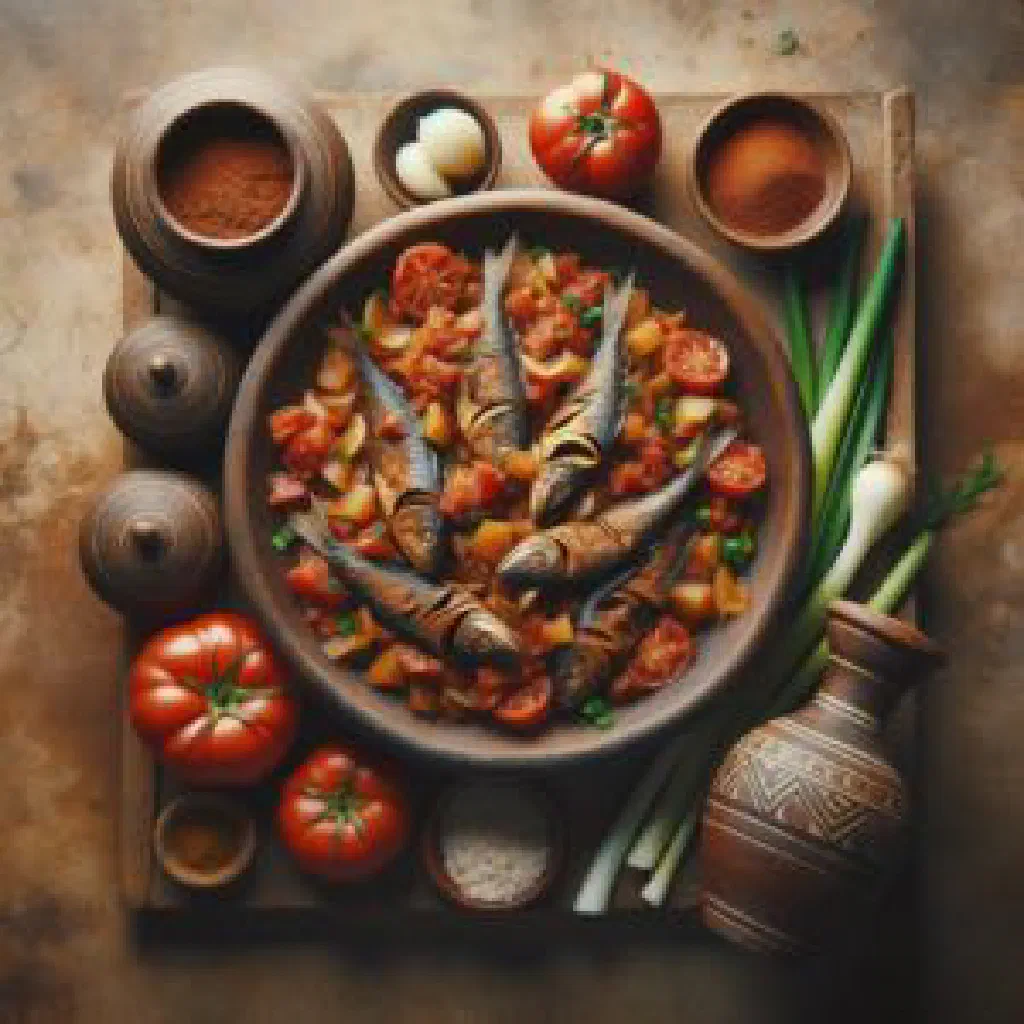
Kajaik is dried fish from the Nile, soaked and then stewed with onion, tomato and okra, often thickened with ground peanuts. The dried fish is not a substitute for fresh — it is the point, contributing a concentrated, salty depth that fresh fish cannot. It belongs to the south and to the river communities along the White Nile.
About Kajaik
Kajaik is a traditional Sudanese dish built on dried, salted fish, which is soaked and then slowly braised in a well-spiced tomato and onion sauce with okra. Served with fragrant rice or flatbread, kajaik is a genuine pleasure, and it reflects the food culture of Sudan and South Sudan, where the Nile has supplied fish for as long as anyone has lived along it.
Ingredients (serves 1–2)
- 150 g dried salted fish (kajaik/kejeik; salt cod or stockfish as substitutes)
- 2 onions, chopped
- 2 garlic cloves
- 2 tomatoes, diced (or 1 tin chopped tomatoes)
- 100 g okra, sliced
- 1 tablespoon peanut butter or ground peanuts, optional but traditional
- 1 teaspoon cumin
- 1 red chilli
- Vegetable oil, for frying
- Rice or flatbread, to serve
Shopping for the ingredients
Dried fish is sold in African and Caribbean grocers; salt cod from a Portuguese or Italian shop is the most widely available substitute and works well. It must be soaked, usually 12 to 24 hours with several changes of water, before it can be cooked. Small, tender okra pods are best.
Preparing the dish
Soak the dried fish overnight, changing the water two or three times, then taste a small piece: it should be pleasantly salty, not overwhelming. Flake it and pick out any bones. Trim the okra stalks without cutting into the pods.
Step-by-step instructions
- Soak the dried fish for 12–24 hours, changing the water 2–3 times; drain and flake, removing bones.
- Heat oil and fry the onions for 8 minutes until golden.
- Add the garlic, cumin and chilli and fry for 1 minute.
- Add the tomatoes and cook down for 10 minutes into a thick sauce.
- Stir in the peanut butter with a splash of water until smooth.
- Add the flaked fish and 300 ml water and simmer for 15 minutes.
- Add the okra and cook for a further 8–10 minutes.
- Taste for salt — it may need none — and serve with rice or bread.
Gluten-free / lactose-free version
Kajaik is naturally gluten-free and lactose-free. Served with rice the whole meal is suitable; if using flatbread, choose a gluten-free one.
Tips for vegans and vegetarians
Dried fish is the defining ingredient. A version built on smoked mushrooms and a strong vegetable stock, with the same peanut, tomato and okra treatment, gives a vegan stew that shares much of the character.
More tips and tricks
Soak the fish thoroughly and taste before seasoning, undersoaked dried fish makes the whole pot inedibly salty, and it almost certainly needs no added salt. Add the okra late so it does not turn slippery. And do not skip the peanut butter; it is what makes the sauce.
Adapting the recipe to your taste
More chilli is standard. Dried okra powder (waika) is the traditional thickener in some regions. Spinach or other greens can be added in the last few minutes.
Ingredient substitutions
Salt cod or stockfish substitute for kajaik. Smoked fish gives a different but excellent result. Tahini can replace peanut butter.
Drink pairing ideas
Sudanese spiced tea with cardamom and cinnamon follows the meal. Karkade, the hibiscus drink, is the classic cold pairing. Water with lemon suits the saltiness.
Serving and presentation ideas
Serve kajaik over rice or with kisra, the thin fermented sorghum flatbread, torn and used to scoop. It comes to the table in a communal dish that everyone eats from, which is how Sudanese meals work.
A bit of history
The Nile and its tributaries have supported fishing communities for millennia, and drying was the only way to move and store the catch inland before refrigeration. Kajaik is particularly associated with the south and with the Dinka and Nuer communities of the Sudd wetlands. It offers a genuine window onto Sudanese cuisine.
More recipe ideas
Summary: Kajaik
Kajaik is dried Nile fish soaked and stewed with onion, tomato, okra and peanut butter. Soak it properly, taste before salting, and add the okra late.