National Dish Sudan: Kisra (Recipe)
In this article
Discover Kisra, the national dish of Sudan and a true cornerstone of the country’s table. This wonderfully thin, almost translucent flatbread is made from a simple batter and gently soured through fermentation, giving it a mild tang that sets it apart. Traditionally torn and used to scoop up rich stews and sauces, it is everyday comfort food that appears at humble family meals and grand celebrations alike. Bring a taste of Sudanese home cooking straight to your own kitchen.
About Kisra
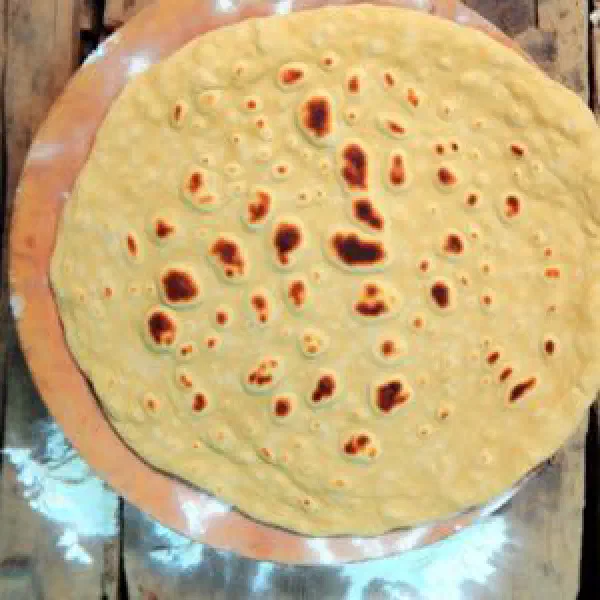
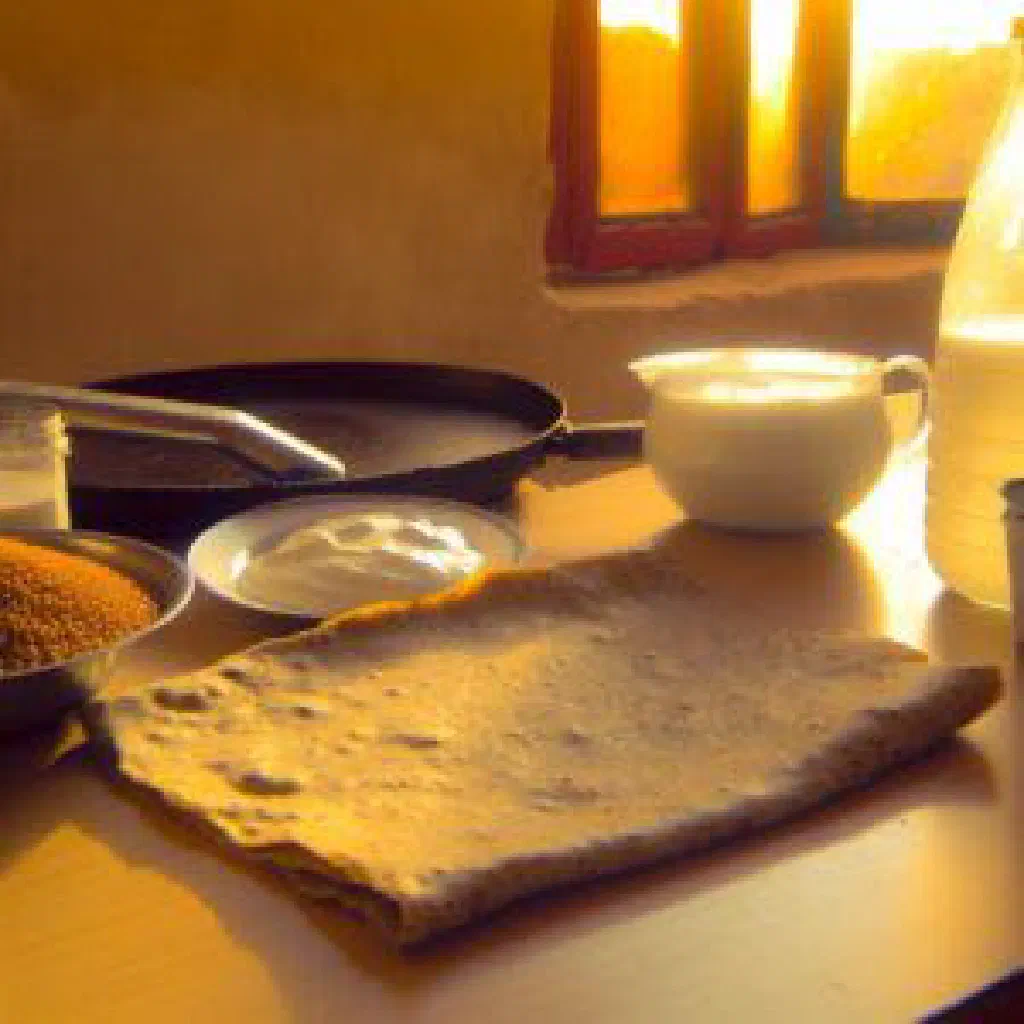
Kisra is regarded as the national dish of Sudan and forms an essential part of Sudanese cuisine. This traditional flatbread is made from a batter of durra, a local variety of sorghum millet, or wheat flour, and is prized for its thin, almost see-through texture. Most often served alongside stews and sauces, it is valued both for its practical role in scooping up food and for the gently sour flavour that comes from lightly fermenting the batter. What makes it special is that it belongs equally to daily life and to festive occasions, and thanks to its straightforward method, practically every household in Sudan bakes it at home.
Ingredients (serves 1–2)
- 500g wheat or millet flour
- 1 litre water
- A pinch of salt
Shopping for the ingredients
When buying flour to make kisra, it is worth paying attention to quality. Organic and freshly milled flours often give a noticeably better result. If Sudan’s special sorghum millet flour is not available where you live, a good wheat flour makes a fine substitute and is easy to find in any supermarket. Larger Asian or African grocers, as well as online shops, are your best bet for the traditional millet varieties. Kisra sits comfortably among the everyday staples of Sudanese cuisine, so the ingredients are refreshingly simple to source.
Preparing the dish
The key to good kisra is to let the batter ferment for several hours, or even overnight, before you cook it. This is what gives kisra its unmistakable flavour and the right consistency. Take care to rest the batter in a warm spot so the natural fermentation can do its work. A little forward planning here pays off, much as it does when preparing a slow-cooked Okra Stew to serve alongside.
Step-by-step instructions
- Whisk the durra or wheat flour together with the water and a pinch of salt to make a smooth batter.
- Cover the batter and leave it to ferment for several hours or overnight.
- Heat a pan over medium heat.
- Pour the fermented batter thinly and evenly into the pan.
- Bake the kisra golden on both sides, until the edges begin to lift away.
- Carefully remove the flatbread from the pan and serve warm.
Gluten-free / lactose-free version
Kisra is naturally lactose-free, as it contains nothing more than flour, water and salt. For a fully gluten-free version, reach for pure sorghum, millet or rice flour rather than wheat, traditional kisra made from durra is gluten-free in any case. This makes it a brilliant bread for anyone with a gluten intolerance, and it pairs beautifully with a bowl of Ful Medames for a naturally free-from meal.
Tips for vegans and vegetarians
Good news for plant-based cooks: kisra is entirely vegan by nature, with no animal products anywhere in the batter. Simply serve it with a plant-based stew or sauce and you have a completely vegan spread. A hearty Lentil Soup or a rich peanut sauce make satisfying, meat-free companions that honour the traditional way of eating kisra.
More tips and tricks
To make sure your kisra turns out evenly thin, it can help to use the back of a spoon or a batter spreader to distribute the mixture across the pan. Work quickly once the batter hits the heat, and keep the pan at a steady medium temperature so the bread cooks through without scorching. With a little practice you will soon be turning out delicate, lacy rounds every time.
Adapting the recipe to your taste
For a gluten-free take on kisra, gluten-free flour blends work well in place of wheat. You can also add spices such as cumin or coriander to introduce extra aroma, which pairs nicely with the traditional side dishes of Sudan. Adjusting the fermentation time lets you dial the sourness up or down to suit your palate.
Ingredient substitutions
If traditional Sudanese millet flour is hard to come by, sorghum flour or even rice flour make good alternatives, as both are similar in texture and taste. Blending flours is another option, letting you balance the flavour and workability of the batter to match what you have on hand.
Drink pairing ideas
Kisra goes beautifully with traditional Sudanese drinks such as hibiscus tea or a refreshing tamarind cordial. These gently tart drinks complement the sour notes of the kisra especially well. For something warming, try a cup of Cardamom Spiced Tea to round off the meal.
Serving and presentation ideas
Kisra is traditionally served in large pieces, or even whole, spread across a platter. A bowl of stew or sauce is placed at the centre of the table so that everyone can help themselves, tearing off the bread as they go. This communal way of eating turns a simple flatbread into a shared, sociable occasion.
A bit of history
Kisra reaches back through long traditions of the Sudanese and wider African peoples. Centuries ago, this flatbread was prepared in much the same form and served as a staple food. It was often carried into the fields by migrant workers, as it is easy to transport and makes an ideal accompaniment to simple meals, a portable, dependable bread that has fed generations.
More recipe ideas
Summary: Kisra
Kisra is a simple yet characterful bread of Sudanese cuisine. Versatile, wholesome and endlessly companionable, this flatbread pairs with countless dishes. With the tips given here, anyone can bake this traditional recipe at home with ease and enjoy a genuine taste of Sudanese food culture. Give it a try and let this humble classic transport you straight to the Sudanese table.