National Dish Sudan: Millet Bread (Recipe)
In this article
Discover Millet Bread, a humble yet deeply satisfying staple from the heart of Sudan. Made from little more than millet flour and water, this soft, gently nutty flatbread has nourished households across the country for generations. Its mild flavour makes it the perfect partner for hearty stews and sweeter dishes alike, and it comes together with just a handful of everyday ingredients. Bring a taste of Sudanese home cooking straight to your own table.
About Millet Bread
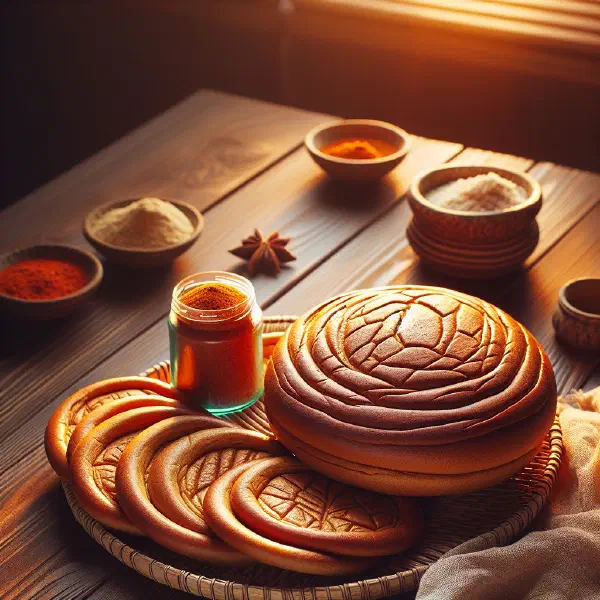
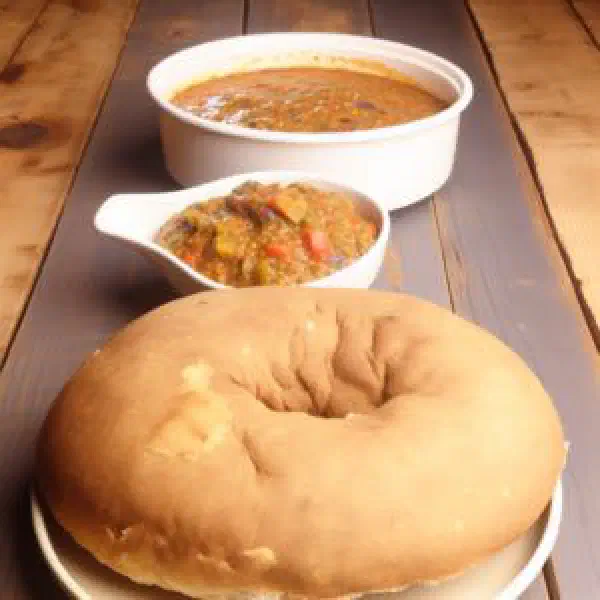
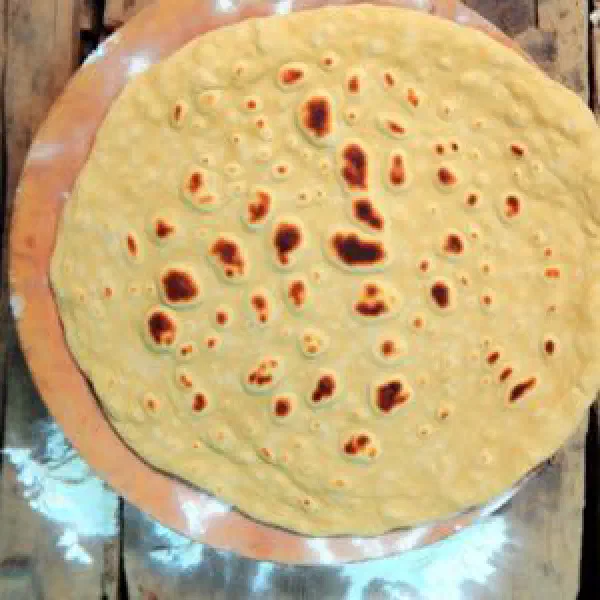
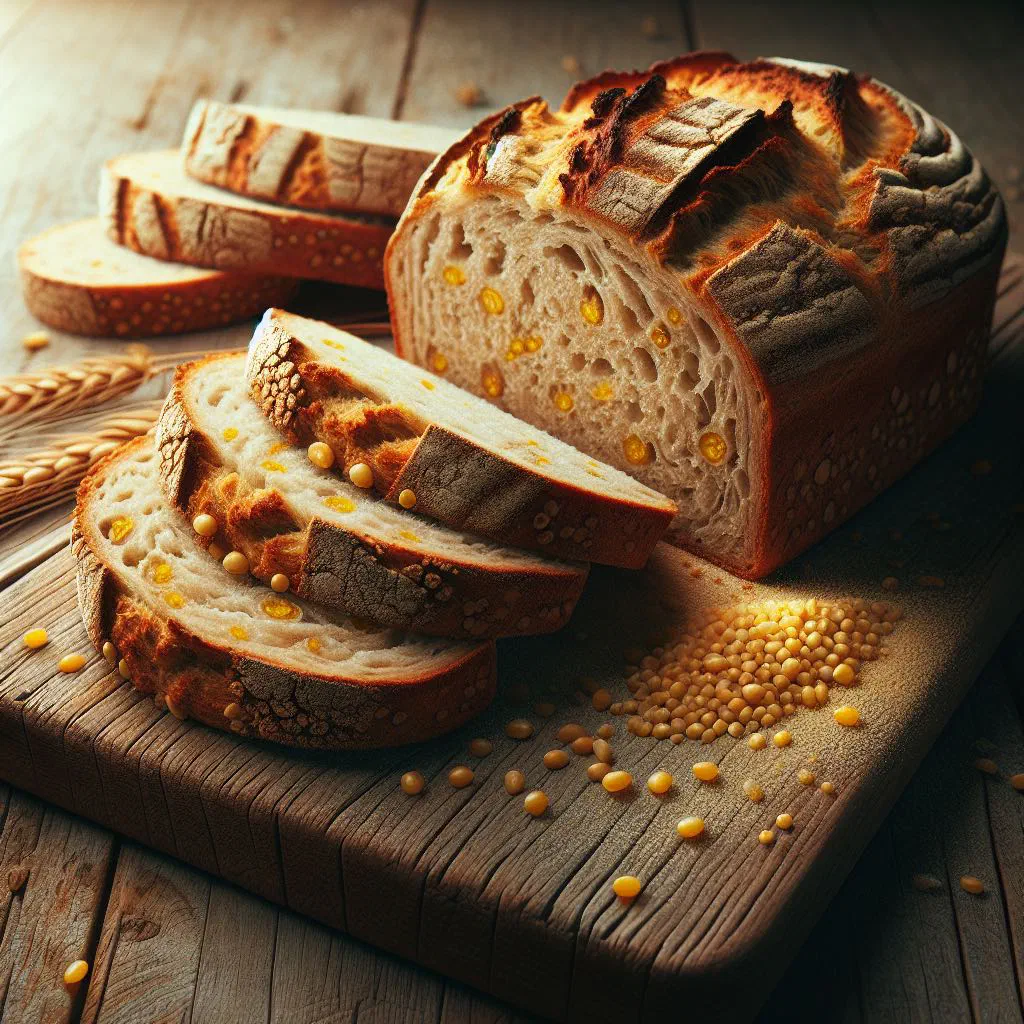
Millet Bread, also known as Asida, is a traditional national dish of Sudan made from millet flour. This hearty flatbread carries a subtly nutty note and is a staple prepared in kitchens across the country. With its soft consistency and mild taste, it pairs beautifully with a wide range of dishes and is served alongside both savoury and sweet foods. It is a simple yet flavourful dish that suits any meal of the day, much like the comforting Sudanese Sweet Bread enjoyed at gatherings.
Ingredients (serves 1–2)
- 250 g millet flour
- 300 ml water
- 1 pinch of salt
- 2 tablespoons oil (optional)
Shopping for the ingredients
When shopping for millet bread, it is important to choose a good-quality millet flour. You will find this flour in most health-food shops as well as in specialist Asian or African grocers. Because millet bread is such a simple recipe, you often need only a few basic ingredients. If you struggle to track down millet flour, other gluten-free flours can work as an alternative.
Preparing the dish
Preparing millet bread is straightforward and takes very little time. Make sure you have all your ingredients ready, and decide whether you would like to serve the bread as a side or as a main dish. Consider too which dishes you want to serve alongside the flatbread, such as stews or vegetable salads. A little careful planning makes the whole process that much smoother and more enjoyable.
Step-by-step instructions
- Combine the millet flour in a bowl with the pinch of salt.
- Gradually add the water, stirring constantly, until you have a smooth batter.
- Heat the batter in a pan over medium heat, stirring continuously.
- After about 10 minutes the mixture should take on a firm consistency. Remove the pan from the heat.
- Shape the bread into a flat, round form and let it cool for a few minutes before serving.
Gluten-free / lactose-free version
Millet bread is naturally gluten-free, as it is made with millet flour. That makes it an ideal choice for anyone with coeliac disease or a gluten intolerance. If you are avoiding lactose, you can simply leave out the oil altogether or replace it with a plant-based oil to adapt the dish for vegan and lactose-free diets. The combination of simple ingredients means other dietary needs can be accommodated with ease.
Tips for vegans and vegetarians
Millet bread is naturally vegan and vegetarian, which makes it a great addition to all kinds of diets. To make the bread a little more interesting, you can stir herbs or spices into the batter, such as coriander or caraway. These aromas add an extra dimension of flavour and make the bread even more enjoyable. Serve the flatbread with fresh vegetables or a plant-based sauce for a wholesome, nourishing meal, perhaps alongside a warming Okra Stew.
More tips and tricks
An important tip when making millet bread is to keep the heat steady throughout cooking to avoid scorching. You should also take care to stir the batter constantly so that it cooks evenly. Experiment with the consistency; it is important that the bread turns out neither too dry nor too wet. You can also cook the bread in a frying pan to achieve a crisper crust.
Adapting the recipe to your taste
The lovely thing about millet bread is how adaptable it is. You can use different types of flour to create new flavours, such as quinoa or rice flour. If you fancy a sweeter version, you can add honey or sugar. Stirring in nuts or dried fruit can also lend the bread a special note that is both unique and delicious.
Ingredient substitutions
If you do not have millet flour to hand, you can also use amaranth or buckwheat flour as a substitute. These alternative flours bring their own flavours while still offering a gluten-free option. Take care to adjust the ratio of water to flour, as different flours have different moisture levels. That way you can keep trying new and tasty variations of millet bread.
Drink pairing ideas
The perfect drink to accompany millet bread often depends on the type of dish it is served with. Fruity juices or unsweetened tea go very well with savoury dishes. For a fully Sudanese atmosphere, traditional drinks such as the tart Sudanese Hibiscus Tea or a fragrant Sudanese Date Drink are well worth considering.
Serving and presentation ideas
The presentation of millet bread can be greatly enhanced by your choice of dishware and accompaniments. Serve the bread on a rustic wooden board and garnish it with fresh herbs to bring colour and freshness. Small bowls of dips or sauces placed alongside create an inviting spread. Colourful vegetable salads or fruit platters can also lighten the table visually and heighten the overall experience.
A bit of history
Millet bread has a long history in Sudan and represents the country’s culinary tradition. Millet is a staple in many African countries thanks to its resilience and nutritional density. Historically, millet served as a source of food and featured in various cultural rituals. These traditions have endured to the present day, making millet bread a symbol of home and community within Sudanese cuisine.
More recipe ideas
- Sudanese Corn Pudding
- Rice And Lentil Pilaf
- Sudanese Peanut Butter Stew
- Sweet Date Bread
- Sudanese Spiced Rice
Summary: Millet Bread
In summary, millet bread is a versatile and flavourful dish that is easy to prepare. With its health-giving properties and its adaptability to different tastes, it is an excellent choice for any meal. This flatbread brings an authentic note to any kitchen. Give it a try and experience the unique taste and tradition behind this African classic.