National Dish Sudan: Mulukhiyah (Recipe)
In this article
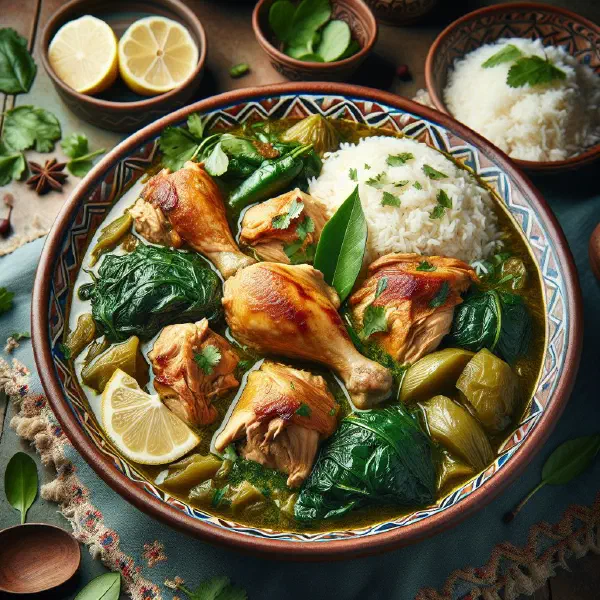
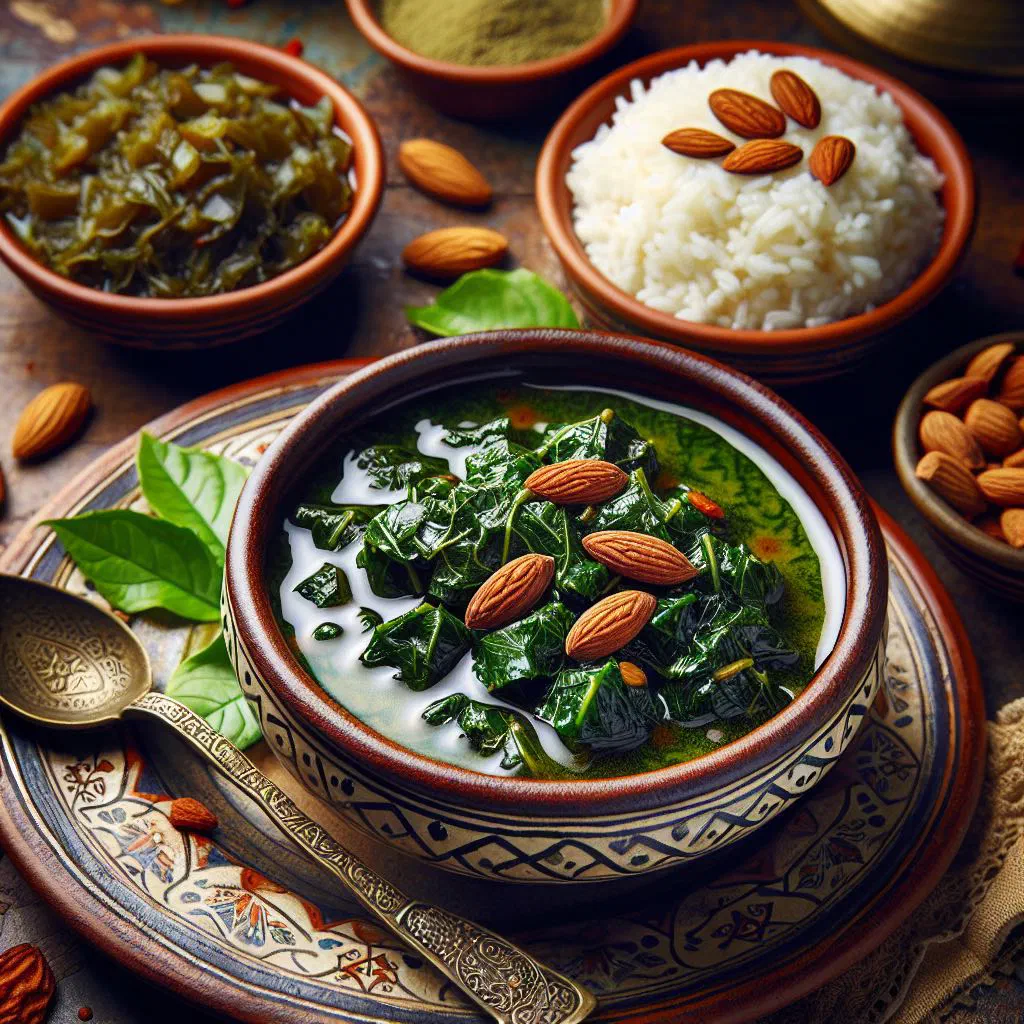
Discover Mulukhiyah, a green, deeply savoury stew that speaks to the rich culinary heritage of Sudan. Built around tender jute leaves and simmered with garlic, cumin and pieces of chicken or beef, it delivers a comforting, nourishing bowlful that is best mopped up with bread or spooned over rice. This is the kind of home cooking that turns simple ingredients into something warm and memorable.
About Mulukhiyah
Mulukhiyah is a traditional dish from Sudan and a fine reflection of the country’s long culinary history. Its star ingredient, jute leaves, is a staple across much of Arab cooking, valued for its distinctive, robust flavour. The dish is usually served with rice or bread and offers a wonderful way to enjoy the layered aromas and spices of the region. It is often enriched with meat such as chicken or beef, which turns it into a hearty and genuinely satisfying meal.
Ingredients (serves 1–2)
- 200 g fresh mulukhiyah leaves (jute leaves)
- 300 g chicken breast or beef, diced
- 4 cups water
- 2 garlic cloves, chopped
- 1 onion, finely chopped
- 2 tablespoons olive oil
- 1 teaspoon cumin
- Salt and pepper to taste
Shopping for the ingredients
To make mulukhiyah, fresh jute leaves are the most important thing to track down, and you will usually find them at a well-stocked grocery or a local market. If fresh leaves are not available, frozen mulukhiyah works perfectly well as an alternative. Just as important are the spices and the meat, which shape the character of the finished dish. When choosing your olive oil, opt for good quality, as it lends the stew a lovely aromatic depth.
Preparing the dish
Before you start cooking mulukhiyah, wash and prepare all of your ingredients thoroughly. Finely chop the onion and the garlic so they melt evenly into the stew. The meat should be cut into small cubes so that it cooks through more quickly. Finally, strip the mulukhiyah leaves from any tough stalks and cut them into bite-sized pieces ready for the pot.
Step-by-step instructions
- Heat the olive oil in a large pot and sauté the onion and garlic until golden brown.
- Add the diced meat and brown it lightly on all sides.
- Pour in the water, add the cumin along with salt and pepper, and bring to the boil.
- Reduce the heat and let it simmer for about 30 minutes, until the meat is tender.
- Stir in the prepared mulukhiyah leaves and simmer for a further 10 minutes, until cooked through.
Gluten-free / lactose-free version
Mulukhiyah is naturally gluten-free, as long as you avoid wheat-based sides such as ordinary bread or serve it with a gluten-free loaf instead. The recipe is also lactose-free, since no dairy is used at any stage, which makes it a great choice for anyone with food intolerances. Do double-check that the spices and any other ingredients you add are gluten-free too.
Tips for vegans and vegetarians
For a vegan version of mulukhiyah, simply swap the meat for well-seasoned plant proteins or leave it out altogether. Chickpeas or tofu are both good alternatives that give the stew plenty of substance. Use vegetable stock in place of chicken broth to build even more flavour. These small adjustments keep the dish plant-based while preserving the traditional aromas that make mulukhiyah so popular. The same spirit shapes the vegan-friendly Spiced Chickpea Stew.
More tips and tricks
To make mulukhiyah even tastier, try experimenting with different spices such as coriander or cinnamon, which add an intriguing twist. Marinating the meat in the spices before browning gives an even more intense flavour. Another good tip is to cook the dish a day ahead; many people find that the aroma of mulukhiyah is even better the next day. Play with the cooking time and the quantity of leaves to vary the texture and consistency.
Adapting the recipe to your taste
Your mulukhiyah recipe is easy to adjust to your own preferences. If you like things hotter, add fresh chillies or a pinch of cayenne pepper. For a sweeter, rounder flavour, stir in a little tomato purée or some fresh tomatoes. Simple sides such as a chickpea salad or a yoghurt dip pair beautifully and bring a variety of flavours to the table, a cooling Yogurt And Mint Salad does the job nicely.
Ingredient substitutions
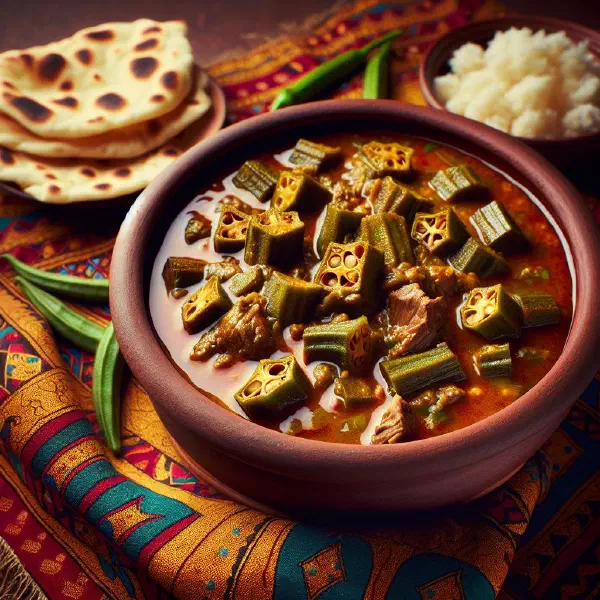
If you do not have certain ingredients to hand, there are plenty of alternatives. Instead of fresh jute leaves you can use varieties of spinach, which offer a similar taste. The meat can be replaced with lentils or beans for a plant-based option, the same hearty approach that shines in a warming Okra Stew. With spices, the key is to find a combination that suits you, and herbs such as parsley or basil make a delicious addition. Be brave and try out different ingredients.
Drink pairing ideas
A range of drinks pairs wonderfully with mulukhiyah and rounds out its flavour. Mint tea is an especially popular choice and harmonises perfectly with the aromas of the cuisine. Fruit-juice-based drinks, such as a refreshing pomegranate juice, also make an excellent companion. For a more festive touch you might serve a chilled beer or a light white wine to accompany the meal.
Serving and presentation ideas
Presentation can play an important part in making mulukhiyah even more enjoyable. Serve the stew in a large bowl and garnish it with fresh herbs or a few lemon slices for an extra splash of colour. A neat plate of rice or fresh bread alongside can round out the whole experience. Take care to arrange everything attractively, so your guests are greeted with an inviting spread that whets the appetite.
A bit of history
The story of mulukhiyah stretches back centuries, with its origins in Egypt. Over the years it has established itself in many forms across the Arab world and beyond. In many cultures mulukhiyah is regarded as a kind of comfort food and is often served at celebrations. It reflects a tasty combination of flavours and contributes to the cultural identity of Sudan and its neighbours, alongside dishes like the classic Shakshuka found throughout Sudanese cuisine.
More recipe ideas
Summary: Mulukhiyah
Mulukhiyah is more than just a dish; it is a piece of culture and tradition from Sudan. With its unique combination of fresh jute leaves, aromatic spices and tender meat, it is a treat for anyone who loves exotic cooking. Mulukhiyah is guaranteed to be a highlight on any table. Let this recipe inspire you and discover the delicious flavours of Sudan.