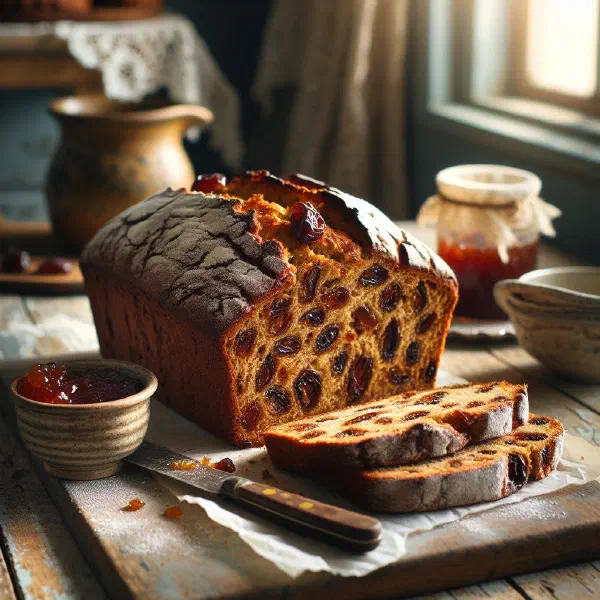
National Dish Sudan: Sudanese Sweet Bread (Recipe)
In this article
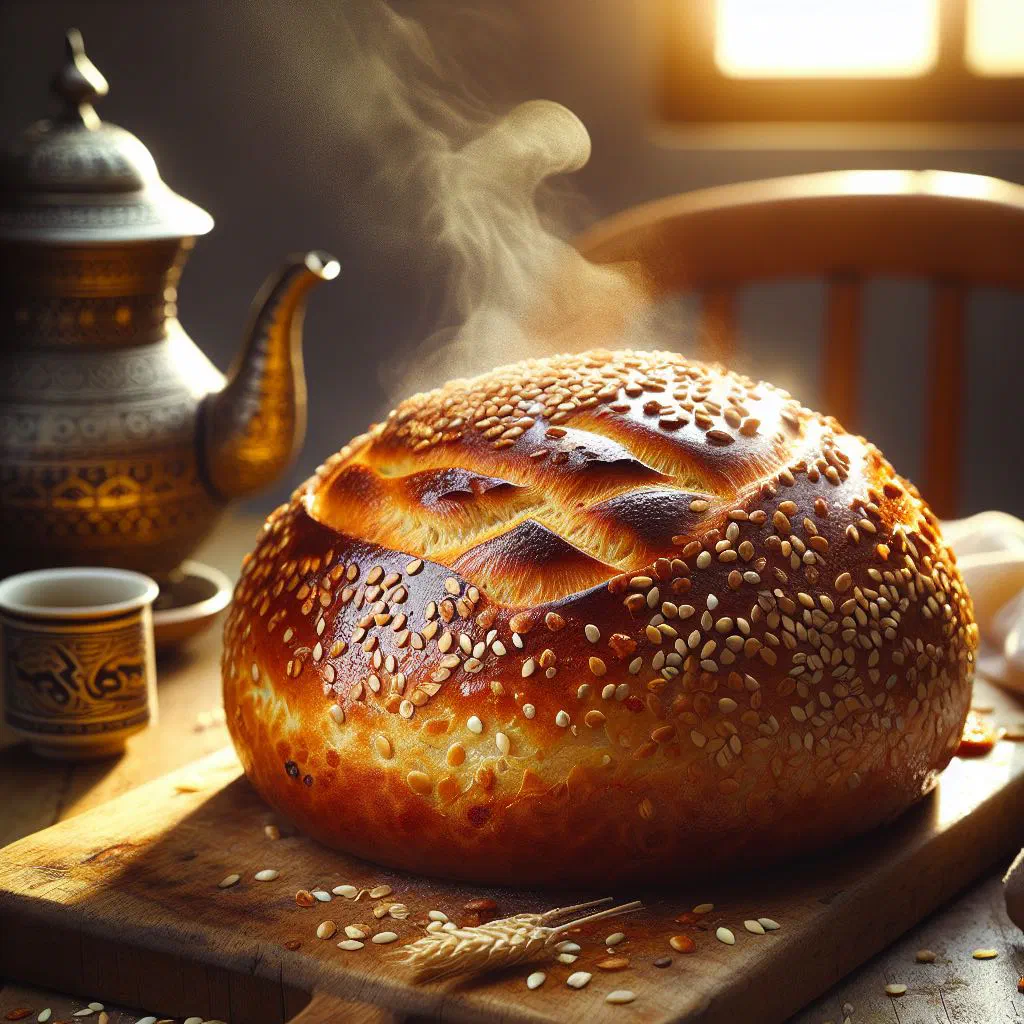
Discover Sudanese Sweet Bread, a tender, subtly sweet bake that carries the warm flavours of Sudan straight into your kitchen. With its airy texture and gentle sweetness, this bread is a firm favourite at celebrations and special occasions alike, yet it is just as welcome at an everyday breakfast or as an afternoon treat. The dough needs a little patience while it proves, but the golden, fragrant results are more than worth the wait.
About Sudanese Sweet Bread
Sudanese Sweet Bread is far more than a simple bake; it is a piece of cultural identity. Often served at festivities and special gatherings, it brings the rich aromas of Sudan directly to the table. Enjoyed in everyday life as much as on festive occasions, this bread wins people over with its light, airy crumb and delicate sweetness. Making it takes a little time, but the reward is a beautifully soft loaf that feels genuinely special, a lovely introduction to the wider world of Sudanese cuisine.
Ingredients (serves 1–2)
- 250 g plain flour
- 100 g sugar
- 1 sachet dried yeast
- 1/2 teaspoon salt
- 200 ml water
- 50 g melted butter or margarine
- 2 tablespoons honey (optional)
Shopping for the ingredients
When shopping for the ingredients for Sudanese sweet bread, it pays to keep an eye on quality. Fresh flour and lively, good-quality yeast are key to a proper rise and a fragrant flavour. It is also worth choosing unsalted butter or a good margarine for the best possible result. Most of what you need is easy to find in a well-stocked supermarket, while a shop specialising in international foods can help with anything less common.
Preparing the dish
Preparing this bread is straightforward and well within reach even for beginner bakers. Start by setting out all your ingredients on the work surface to keep the process running smoothly. Make sure the water is lukewarm rather than hot, as this helps activate the yeast without killing it. While that is coming together, you can prepare your baking tray by greasing it or lining it with baking paper.
Step-by-step instructions
- In a large bowl, combine the flour, sugar, dried yeast and salt.
- Slowly pour in the lukewarm water and mix everything together well.
- Stir in the melted butter and the honey.
- Knead the dough thoroughly until it is smooth and elastic.
- Cover the dough and leave it to prove in a warm spot for about an hour, until risen.
- Knock back the risen dough, then divide it into small portions.
- Shape each portion as you like and place them on a baking tray.
- Leave the rolls to prove for a further 30 minutes, then bake in a preheated oven at 180 °C until golden brown.
Gluten-free / lactose-free version
For a gluten-free version, use a gluten-free flour blend, widely available in health-food shops. Look for a mix that is well suited to yeasted doughs so you still get a good rise. For a lactose-free bake, simply swap in lactose-free butter or margarine. These alternatives still give the finished bread an excellent texture and flavour, so no one has to miss out.
Tips for vegans and vegetarians
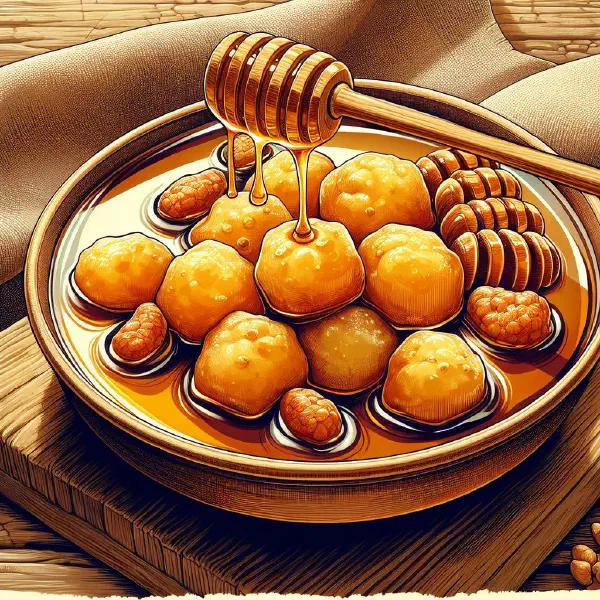
A vegan version of Sudanese sweet bread is easy to achieve by replacing the butter with a plant-based alternative. Unsweetened apple purée in place of the honey also makes for a delicious vegan option. Reach for plant-based sweeteners that suit your dietary needs, and you will find these small adjustments let everyone enjoy this traditional bake. The same spirit of gentle adaptation carries over well to lighter treats such as Pumpkin Fritters.
More tips and tricks
A few extra tips and tricks can make baking this bread even easier. Use a stand mixer to knead the dough and spare your hands the effort. Give the dough plenty of time to prove for the best possible result. If you are feeling adventurous, try adding warming spices such as cinnamon or cardamom to the dough to build in extra layers of aroma.
Adapting the recipe to your taste
The recipe for Sudanese sweet bread is wonderfully flexible and easy to adjust to your own preferences. Fold in dried fruit, nuts or chocolate chips to create your own flavour combinations. Try different types of flour to play with texture and taste. You can also tweak the amount of sugar to make the bread sweeter or more restrained, exactly to your liking.
Ingredient substitutions
If you do not have every ingredient to hand, there are plenty of easy swaps. In place of sugar you might use honey or maple syrup, each of which lends the bread its own distinctive sweetness. Instead of melted butter, coconut oil works nicely and adds an exotic note to the bake. Substitutions like these keep the recipe flexible and approachable, much as they do in a comforting bowl of Sudanese Peanut Butter Stew.
Drink pairing ideas
Sudanese sweet bread pairs beautifully with a range of drinks that echo its gentle sweetness. Try it with a cup of aromatic tea or freshly brewed coffee for a harmonious breakfast. Sweet milkshakes or fresh fruit juices also make a wonderful accompaniment. A fragrant cup of Sudanese Hibiscus Tea is a particularly lovely match that will lift your enjoyment of the bread.
Serving and presentation ideas
Thoughtful presentation can raise the whole experience. Serve the rolls on an attractive platter, perhaps with small dishes of honey or jam alongside. Fresh mint or edible flowers make pretty garnishes and give the bake real visual appeal. A little care with presentation turns your bread into a genuine highlight at any breakfast or snack.
A bit of history
Sudanese sweet bread has a long history, closely tied to the culture and traditions of Sudan. It is often served at festive occasions such as weddings and religious celebrations, which underlines its place in the country’s food culture. This bake reflects the variety and richness of Sudanese cooking and is treasured for both its delicious taste and its versatility. By making this recipe, you bring a small piece of Sudanese culture into your own home.
More recipe ideas
Summary: Sudanese Sweet Bread
Sudanese sweet bread is a simple yet utterly delicious bake that can be enjoyed on special occasions and everyday mornings alike. With its airy texture and delicate flavours, it is a real treat that comes together with surprising ease. pleasure in the range of ingredients and the freedom to vary the recipe to your own taste. Give it a try and bring a little piece of Sudanese culture into your kitchen.