National Dish Sudan: Tamiya (Recipe)

In this article
Meet Tamiya, the very good fava bean fritters that turn a handful of humble beans into something truly special. Crisp and golden on the outside, soft and fragrant within, these little patties are packed with fresh herbs and warm spices. A staple across Sudan and its neighbours, tamiya makes a brilliant snack, starter or light meal, and it is naturally plant-based, so everyone at the table can dig in. Bring the flavours of a busy North African market straight to your own kitchen.
About Tamiya
Tamiya is a traditional dish that has won over food lovers far beyond its homeland. Rooted in Egyptian cuisine, it consists chiefly of fried fritters made from ground fava beans blended with fresh herbs and spices. These small, crisp balls are delicious and wonderfully nourishing, offering an excellent plant-based protein source. The combination of warming spices and fresh green herbs gives tamiya its unmistakable flavour and its enduring popularity.
Ingredients (serves 1–2)
- 150 g dried fava beans
- 1 small onion, roughly chopped
- 2 cloves garlic
- 1 bunch fresh parsley
- 1 tsp cumin
- 1 tsp coriander
- 1 tsp salt
- 1 tsp pepper
- Oil, for frying
Shopping for the ingredients
When shopping for tamiya, it is worth choosing fresh, good-quality produce to get the best results. Fava beans are the star ingredient and should be as dry and unsalted as possible. It is well worth a trip to a local greengrocer or a Middle Eastern grocery to pick up the rest of the ingredients. That way you can be sure the spices and herbs are fresh and able to release their full aroma in the finished dish.
Preparing the dish
Preparing tamiya is fairly straightforward and should take no more than half an hour of hands-on work. First, the fava beans need to soak overnight in plenty of water so they soften right through. The next day, drain the beans and blend them with the other ingredients in a food processor. Take care not to over-work the mixture, or it will turn too mushy to hold its shape.
Step-by-step instructions
- Drain the soaked fava beans and tip them into a food processor.
- Add the onion, garlic and fresh herbs.
- Add the spices along with the salt and pepper, then blitz everything to a coarse paste.
- Transfer the mixture to a bowl and chill for about 30 minutes.
- Heat plenty of oil in a deep pan.
- Using a spoon, shape small portions of the mixture and lower them carefully into the hot oil.
- Fry the tamiya until golden brown, then drain on kitchen paper.
Gluten-free / lactose-free version
Tamiya is naturally gluten-free and lactose-free, since the main ingredient is the fava bean. No wheat flour or dairy is used, which makes it a great option for anyone with intolerances. Just make sure the oil you fry in is also free from any gluten-containing additives. This makes tamiya an ideal dish to suit a wide range of dietary needs, much like a bowl of Shorbat Adas.
Tips for vegans and vegetarians
Vegans and vegetarians can enjoy tamiya without a second thought, as it contains only plant-based ingredients. To keep the dish extra nourishing, you could enrich the mixture with additional vegetables such as carrots or spinach. This adds extra flavour and a splash of colour. A freshly made dip of plant-based yoghurt is a lovely accompaniment.
More tips and tricks
The tamiya patties freeze beautifully and can easily be made ahead, so you always have a quick snack on hand. Before serving, fry the frozen balls straight in hot oil and they will taste every bit as good as freshly made ones. Another useful tip is to let the mixture rest in the fridge for a while before frying, which helps the fritters hold their shape better.
Adapting the recipe to your taste
Tamiya is a very flexible dish that is easy to adjust to your own preferences. If you like a bit of heat, add chopped chillies or a pinch of chilli powder as you blend. For a similar yet different flavour profile, you can swap the fava beans for black beans.
Ingredient substitutions
If you would rather not use fava beans, there are plenty of alternatives to try. Chickpeas give a similar texture while offering a slightly different flavour, the same versatile pulse that anchors a hearty Spiced Chickpea Stew. Swapping fresh herbs for dried is another option, especially when fresh ones are hard to find. Just remember to adjust the spices to taste for the ultimate tamiya experience.
Drink pairing ideas
Tamiya pairs best with refreshing drinks that complement its savoury flavour. A minty iced tea or a cold glass of elderflower cordial makes a perfect companion. A fresh salad with a citrusy vinaigrette also rounds off the meal and lifts the aromas. Aim for light, fruity options that won’t compete with the flavour of the tamiya fritters.
Serving and presentation ideas
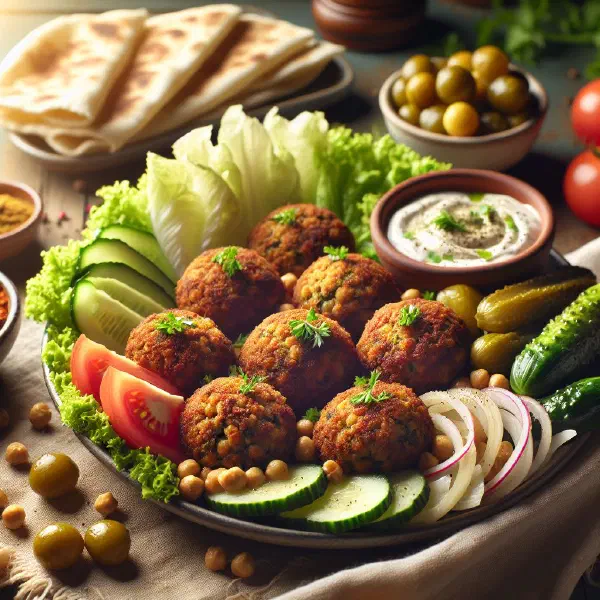
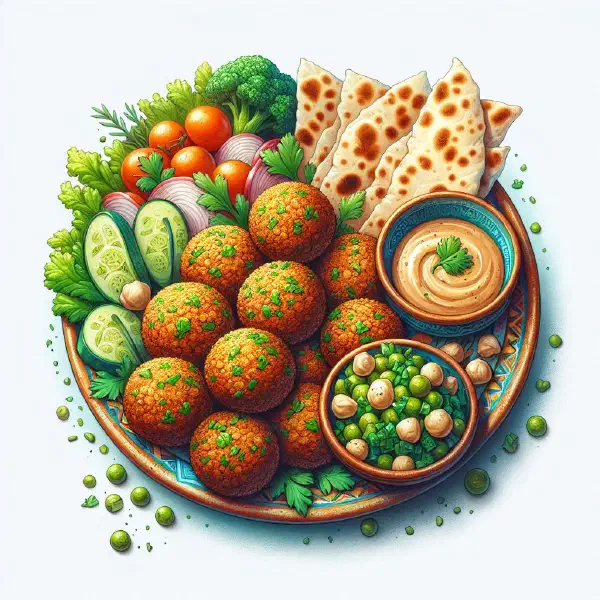
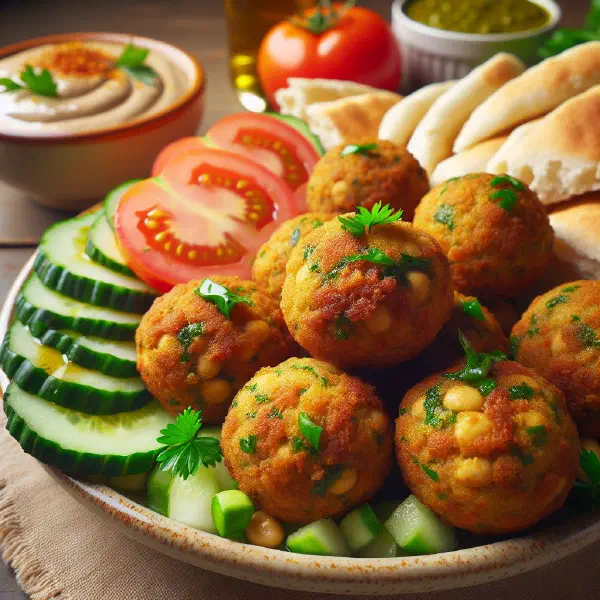
The way you present tamiya can add a great deal to the enjoyment of the dish. Serve the fried fritters on a colourful plate with fresh herbs and lemon wedges for an appealing look. Add a couple of dips, such as a tahini dip or a Roasted Eggplant Dip. Small bowls of fresh vegetables bring extra colour and invite everyone to share.
A bit of history
Tamiya has its roots in Egyptian culture and is a much-loved dish across many North African countries. It is thought that the recipe traces back to the ancient Egyptians, who experimented with beans and spices to create tasty, nourishing meals. Over the centuries tamiya has grown into an international phenomenon, found on the menus of vegetarian and vegan restaurants the world over. Today it is a proud example of Sudanese cuisine, celebrated as much for its flavour as for its cultural richness.
More recipe ideas
Summary: Tamiya
Tamiya brings the heart of Egyptian and Sudanese cooking to the table and is an absolute treat for anyone seeking tasty, wholesome food. With simple, readily available ingredients, you can make this dish at home with ease. Not only is it a perfect choice for vegans and vegetarians, but it can also be adapted to your liking in countless ways. Let the variety and aromas of this traditional dish win you over, and enjoy your tamiya to the full.