National Dish Sudan: Warak Enab (Recipe)
In this article
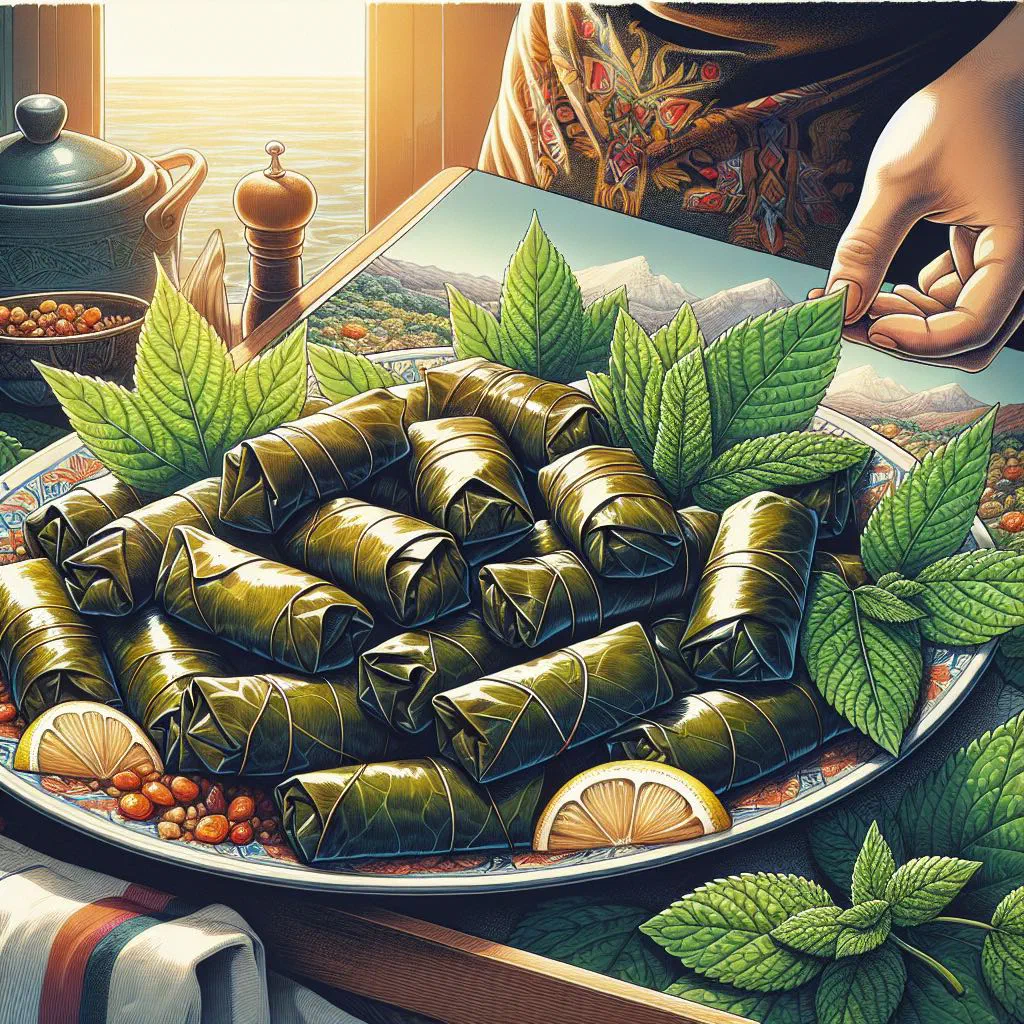
Discover Warak Enab, a treasured dish from Sudan built around tender vine leaves wrapped snugly around a savoury filling. Fragrant with cumin, paprika and garlic, these little rolls are a celebration favourite, appearing at family gatherings and festive tables alike. With a spiced mix of rice and minced meat at their heart, they capture the warmth and generosity of Sudanese cooking, and they are every bit as rewarding to make as they are to share.
About Warak Enab
Warak Enab is a traditional Sudanese dish made from stuffed vine leaves. These delicious little rolls are usually filled with a well-seasoned mixture of rice, minced meat and a generous blend of spices. Warak Enab is prized for its wonderful flavour and as a dish that brings people together at festivities and family occasions. It is a perfect example of the impressive Sudanese kitchen, shaped by a unique meeting of aromas and long-standing traditions.
Ingredients (serves 1–2)
- 200 g fresh vine leaves
- 100 g minced meat (beef or lamb)
- 100 g rice (preferably basmati)
- 1 onion, finely chopped
- 1–2 cloves garlic, crushed
- 1 tsp tomato purée
- 1 tsp paprika
- 1 tsp cumin
- Salt and pepper to taste
- Olive oil for the pan
- Water or stock for cooking
Shopping for the ingredients
For the best Warak Enab it is worth choosing good-quality ingredients. Vine leaves are often available in delicatessens or at an international supermarket. Fresh minced meat and long-grain rice can be found at the butcher’s or your local grocery. Don’t forget to pay attention to the spices when shopping, as they are crucial to the flavour of the finished dish.
Preparing the dish
Before you begin, rinse the vine leaves thoroughly to remove any bitterness. With fresh leaves it is often enough to blanch them briefly in hot water to soften them. If you are short on time, rolled and preserved vine leaves work well too. It also pays to prepare the onion and garlic in advance to make the cooking go more smoothly.
Step-by-step instructions
- Sauté the onion and garlic in a large pan with a little olive oil until golden brown.
- Add the minced meat and brown it well until lightly cooked through.
- Stir in the rice and mix thoroughly.
- Add the tomato purée, the spices and a splash of water, combining everything well.
- Let it simmer for a few minutes until the rice is partly cooked.
- Now spread the vine leaves out on a flat surface and place a tablespoon of filling on each.
- Fold in the sides of the leaves and roll them up tightly.
- Layer the stuffed leaves in a pot, cover with water or stock, put the lid on and simmer gently for about 30–40 minutes.
Gluten-free / lactose-free version
This dish is wonderfully suited to anyone with a gluten or lactose intolerance. The ingredients are naturally gluten-free, as long as you make sure the rice and spices contain no gluten-based additives. Instead of beef or lamb mince, you could also use a plant-based alternative such as soya or oat mince. That way the dish stays both flavourful and suitable for those with particular dietary needs.
Tips for vegans and vegetarians
For a vegan version of Warak Enab, the classic ingredients can be swapped for plant-based alternatives. In place of minced meat, try a mixture of quinoa, chickpeas or finely chopped vegetables. If you would rather skip the rice too, an alternative filling such as cauliflower rice is well worth considering. This lets you enjoy the authentic taste of Warak Enab without any animal products, much like the meat-free spirit of a Sudanese Spiced Chickpea Stew.
More tips and tricks
An important tip when making Warak Enab is to wrap the vine leaves properly. Take care not to use too much filling, as it can swell during cooking. Keep the heat moderate while the rolls simmer, since too high a temperature can damage the leaves. Finally, you can serve the dish with yoghurt or a light sauce to offer a fresh contrast to the spiced flavours.
Adapting the recipe to your taste
The recipe for Warak Enab is highly adaptable and can be varied to suit your own preferences. If you like a little more heat, add chilli flakes or fresh chillies. For a fresher note, mix in herbs such as parsley or mint. Choosing a different type of meat, or combining several kinds, can also make the dish more complex and tailor it to your taste.
Ingredient substitutions
If fresh vine leaves are unavailable, you can also use kale or cabbage leaves. These options give the dish a different but equally delicious character. For the filling, pulses are an excellent choice to add protein and fibre, the same hearty base that shines in a Rice and Lentil Pilaf.
Drink pairing ideas
A range of drinks pairs nicely with Warak Enab and complements its aromas. A refreshing minty lemonade or a classic chai tea offers a pleasant lift. A light, alcohol-free fruit punch can also be a good choice, being both sweet and invigorating. If you enjoy wine, a dry white wine is recommended, as it won’t overpower the flavours of the dish.
Serving and presentation ideas
Serve the stuffed vine leaves on a large, colourful platter, garnished with fresh herbs and slices of lemon. A small bowl of yoghurt sauce or a chilli sauce alongside adds flavour and a lovely splash of colour. Bright, inviting napkins give the whole spread a personal touch and will pleasure your guests.
A bit of history
Warak Enab is a culinary highlight and carries a history. It is a dish whose roots lie in the many cultures that have come together over the centuries in Sudan. The use of vine leaves reaches far back and reflects the trade links and the exchange of ingredients and techniques across the region. Today Warak Enab is a symbol of the diligent craft of Sudanese cuisine and the tradition of sharing delicious food with friends and family.
More recipe ideas
Summary: Warak Enab
Warak Enab is a traditional Sudanese dish of deliciously stuffed vine leaves. The combination of rice, minced meat and spices makes it a flavourful experience, perfectly suited to festive occasions. It is also wonderfully versatile and can easily be adapted to different dietary needs. Enjoy this marvellous dish and bring a piece of Sudanese culture to your own table.