National Dish Suriname: Chickpea Stew (Recipe)
In this article
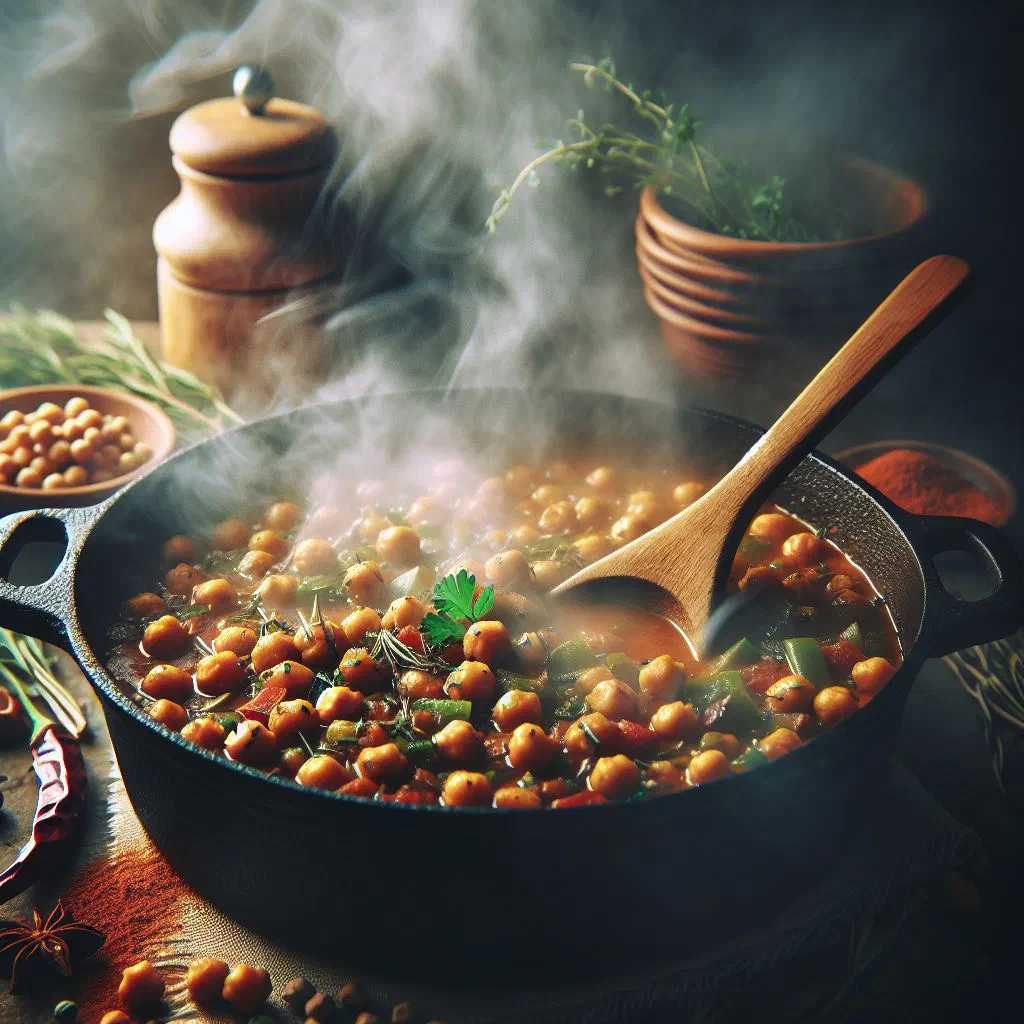
Meet Chickpea Stew, a warming Surinamese classic that proves simple food can be the most satisfying of all. Tender chickpeas simmer with sweet peppers, carrots and tomatoes until everything melts into a rich, gently spiced sauce scented with cumin. It is nourishing, budget-friendly and endlessly forgiving, the sort of pot you make on a Sunday and happily eat all week long.
About Chickpea Stew
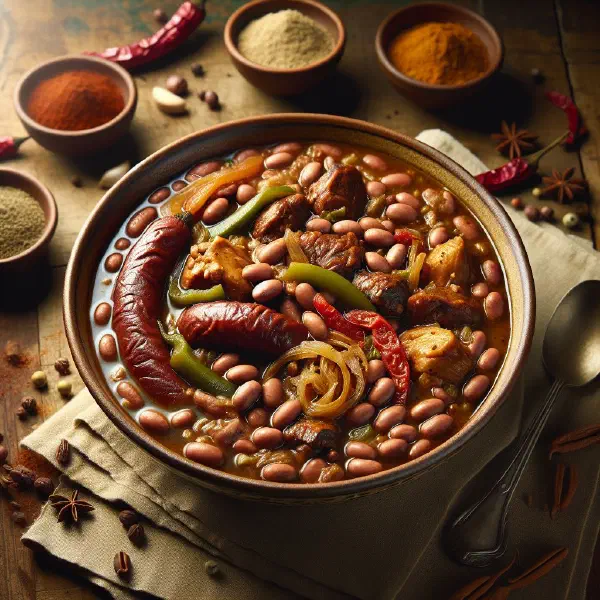
Chickpea Stew, known in Suriname as kikkererwtenstoof, is a traditional dish prized for its deep flavour and its wholesome make-up. Chickpeas form the backbone, simmered in a savoury sauce alongside a generous mix of vegetables and spices. It is a pleasure to eat and a genuinely nutritious choice, rich in plant protein, fibre and vitamins. In Surinamese homes it is everyday comfort food that just as often takes pride of place at family gatherings and special occasions.
Ingredients (serves 1–2)
- 200 g chickpeas, cooked
- 1 onion
- 2 cloves of garlic
- 1 pepper, red or yellow
- 2 carrots
- 1 tin of chopped tomatoes
- 1 teaspoon ground cumin
- 2 tablespoons olive oil
- Salt and pepper, to taste
- Fresh herbs such as parsley or coriander, to garnish
Shopping for the ingredients
To make chickpea stew you need nothing more exotic than fresh produce from a supermarket or your local grocer. Choose good-quality chickpeas, pre-cooked tinned ones are ideal and cut the cooking time considerably. Fresh peppers and carrots make a real difference to both the flavour and the nutritional value of the finished dish. If you can find regional herbs and spices, all the better: they bring you closer to an authentic Surinamese taste.
Preparing the dish
The preparation for chickpea stew is straightforward and takes only a few minutes. Start by washing all the vegetables thoroughly, then dice the onion and pepper and cut the carrots into small, even pieces. Rinse and drain the chickpeas if you are using tinned ones. Getting everything ready in advance keeps the cooking relaxed and ensures the flavours have a chance to distribute evenly in the pot.
Step-by-step instructions
- Heat the olive oil in a large pan, add the onion and garlic and fry until golden brown.
- Add the pepper and carrots and sauté everything for 5–7 minutes, until the vegetables have softened.
- Tip in the chopped tomatoes and the chickpeas and stir well to combine.
- Season with cumin, salt and pepper, then leave to simmer over low heat for 15–20 minutes.
- Serve the chickpea stew piping hot and garnish with fresh herbs to taste.
Gluten-free / lactose-free version
Chickpea stew is naturally gluten-free and lactose-free, since it is built entirely from plant-based ingredients. The combination of pulses and fresh vegetables makes it a safe, satisfying option for anyone with intolerances. Do check that any spice blends or stock you use are certified gluten-free, as these are the usual hiding places for unwanted additives. With that small precaution, everyone at the table can tuck in without a second thought.
Tips for vegans and vegetarians
Chickpea stew is an excellent choice for vegans and vegetarians, as it contains no animal products at all and is packed with plant protein. Feel free to bulk it out with extra vegetables or a handful of lentils for even more nourishment. Playing with different spices, smoked paprika, a pinch of allspice, a bay leaf, gives the pot a personal signature. Serve it with rice or a warm flatbread such as Roti to round the meal out beautifully.
More tips and tricks
A few tips and tricks will take this stew from good to memorable. Experiment with seasonal vegetables such as courgette or aubergine depending on what looks best at the market. A splash of coconut milk lends the sauce a creamier texture and a more tropical character, much as it does in a Peanut Soup. For a fierier version, stir in chilli flakes or a chopped fresh chilli towards the end of cooking.
Adapting the recipe to your taste
Chickpea stew is a wonderfully flexible dish and adapts easily to individual preferences. Use more or fewer spices depending on how bold you like your food, and let the stew simmer longer for a thicker, more concentrated sauce. You can also add other proteins if you wish, tofu or tempeh work well for vegans, while a little smoked meat suits those who eat it. Small adjustments like these let everyone enjoy their own perfect version.
Ingredient substitutions
If you do not have every ingredient to hand, there are plenty of alternatives that work just as well. Black beans or lentils can stand in for the chickpeas and offer an equally good source of protein, the same principle behind Brown Beans with Rice. Frozen vegetables are a perfectly good substitute for fresh ones and shorten the preparation still further. Swapping ingredients keeps the stew tasty while letting you cook from whatever is already in the cupboard.
Drink pairing ideas
Plenty of drinks suit chickpea stew and complement its gentle spicing. A tall glass of water with a squeeze of lemon or a lightly spiced ginger tea both let the aromas of the dish come forward; a homemade Ginger Beer is the Surinamese answer. For an alcoholic pairing, a crisp white such as Riesling or Sauvignon Blanc keeps things fresh without overwhelming the food. Any of these will round the meal off harmoniously.
Serving and presentation ideas
Thoughtful presentation makes the whole experience better. Serve the stew in colourful bowls or on wide plates so the reds and oranges of the vegetables really show. Garnish each portion with fresh herbs and a squeeze of lemon juice for a bright, lively finish. A scoop of rice or a piece of warm flatbread beside the stew completes the look, and the feeling, of a proper meal.
A bit of history
Chickpea stew has its roots in Surinamese cuisine, a kitchen shaped by an unusually wide range of cultures. Suriname is home to Creole, Javanese, Hindustani, Chinese and Maroon communities, each of which brought its own culinary traditions to the country. Chickpeas and other pulses arrived with the Indian indentured labourers of the nineteenth century and quickly became staples, valued both as an affordable food source and for their flavour. Every bowl of this stew therefore carries a piece of history from Surinamese cuisine.
More recipe ideas
Summary: Chickpea Stew
All in all, chickpea stew is a fantastic dish: nourishing, thrifty and incredibly tasty. The combination of chickpeas, vegetables and warm spices produces something that is easy to cook and universally popular at the family table. Cooking with local, seasonal produce will bring you closest to an authentic result. Give this recipe a go and discover the flavours of Suriname in your own kitchen.