National Dish Suriname: Driedaagse Soep (Recipe)
In this article
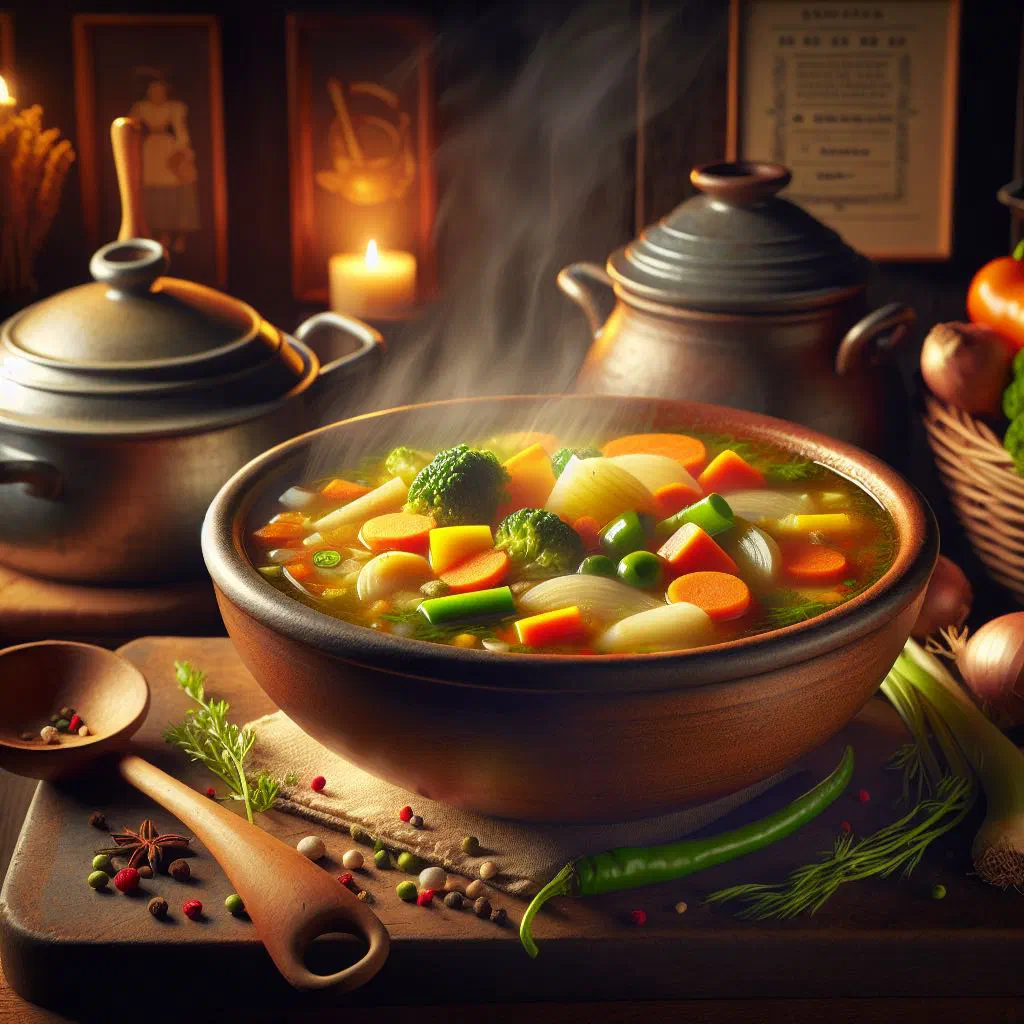
Meet Driedaagse Soep, the slow-built soup that Surinamese families cook when there is time to do things properly. The name translates as “three-day soup”, a nod to the way it is simmered, rested and layered over several days so the flavours deepen with every hour. Tender meat, garden vegetables and warm spices come together in a broth that tastes of the country’s many culinary influences at once. It is patient cooking at its most rewarding.
About Driedaagse Soep
Driedaagse Soep, the traditional national dish of Suriname, is a genuinely unusual and delicate experience. The word driedaagse means “three days”, a reference to the way the soup is cooked and layered over an extended period so the aromas intensify. The dish brings together a wide range of ingredients, tender beef, fresh vegetables and warming spices, that combine into a harmonious, richly satisfying whole. That combination mirrors the cultural variety and the culinary traditions of Suriname, shaped as they are by many different influences.
Ingredients (serves 1–2)
- 200g beef
- 100g chicken breast
- 1 large carrot
- 1 onion
- 2 cloves of garlic
- 1 litre water
- 1 teaspoon cumin
- 1 teaspoon thyme
- Salt and pepper to taste
- Fresh parsley, to garnish
Shopping for the ingredients
Before you start on driedaagse soep, gather everything you need in one place. Most of the ingredients are easy to find in any well-stocked supermarket. For the spices in particular, cumin, say, or genuinely fresh herbs, an Asian grocery or a dedicated spice shop is worth the detour. Sourcing well is what makes the difference between a pleasant soup and a properly aromatic, authentic one.
Preparing the dish
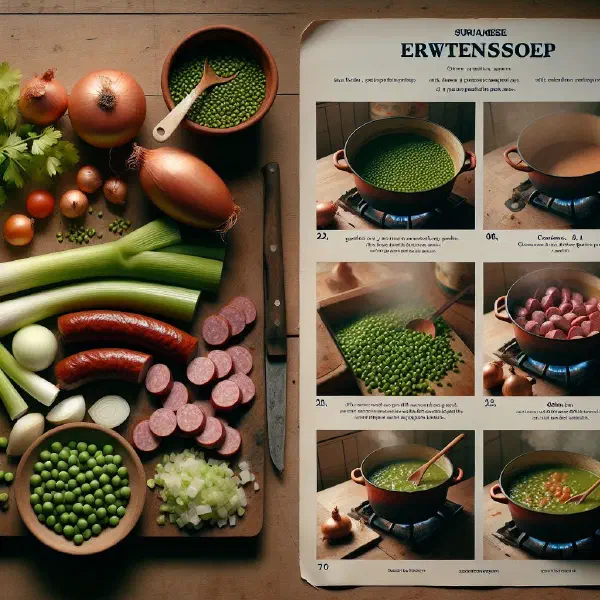
Preparation is the key to a good driedaagse soep. Begin by cutting the meat into small pieces and dicing the vegetables. Evenly cut vegetables and neatly trimmed meat cook at the same rate and distribute their flavour far better through the broth. Have the spices measured out and ready to hand as well, since they shape the character of the finished dish more than anything else.
Step-by-step instructions
- Put the beef into a large pot and cover with water. Bring to the boil, then simmer for 1–2 hours until tender.
- Add the chicken and cook for a further 30 minutes, until it too is cooked through.
- Add the vegetables, the onion and the garlic to the pot and continue cooking for 20 minutes.
- Stir in the spices and mix everything well. Season with salt and pepper to taste.
Gluten-free / lactose-free version
Driedaagse soep is naturally gluten-free and lactose-free, provided you are careful about which ingredients go in. Avoid stock cubes or additives that may contain gluten, and check the labels on any ready-made seasoning. Working with fresh produce throughout is the simplest way to guarantee a wholesome, easily digestible soup. That makes this dish a good choice for anyone cooking around dietary restrictions.
Tips for vegans and vegetarians
For a vegan or vegetarian take on driedaagse soep, swap the meat for plant proteins such as tofu or seitan. A well-made vegetable stock as the base does a lot of the heavy lifting where the meat once did, deepening the flavour of the broth. Experiment with a wide mix of vegetables and spices to build your own rich, distinctive profile, much as you would with a hearty Kikkererwtenstoof. The dish stays unmistakably itself while suiting plant-based tastes.
More tips and tricks
When making driedaagse soep, give the aromas the time they need to develop properly. Leaving the soup to rest overnight in the fridge lets the flavours settle and intensify. This is the whole idea behind the name. Slow cooking over gentle heat also gives noticeably better results than rushing it. Do not be afraid to combine fresh and frozen ingredients for extra depth and variety.
Adapting the recipe to your taste
The beauty of driedaagse soep lies in how flexible it is. Depending on what you like, the ingredients can be adjusted to give the pot a character all of its own. Add chilli for heat, or sweet potato for a gentler, sweeter note against the savoury broth. Handled this way, the soup becomes more than a good meal but a personal creation.
Ingredient substitutions
If a few ingredients are missing, there are plenty of alternatives. Pork or lamb work well in place of beef, and the chicken can be replaced by a combination of pulses for a lighter, more economical pot, the same beans that anchor Bruine Bonen Met Rijst. Adjust the cooking times to match whatever you use, so the texture and flavour still come out right. The key to a good recipe is very often a willingness to experiment.
Drink pairing ideas
A hearty driedaagse soep goes with a surprising range of drinks. A crisp, lively white wine or a light beer complements the spiced broth nicely. For alcohol-free options, a homemade iced tea or a fruit spritzer works well, since their sweetness and freshness balance the pepperiness of the soup. Choose whatever suits the company around the table.
Serving and presentation ideas
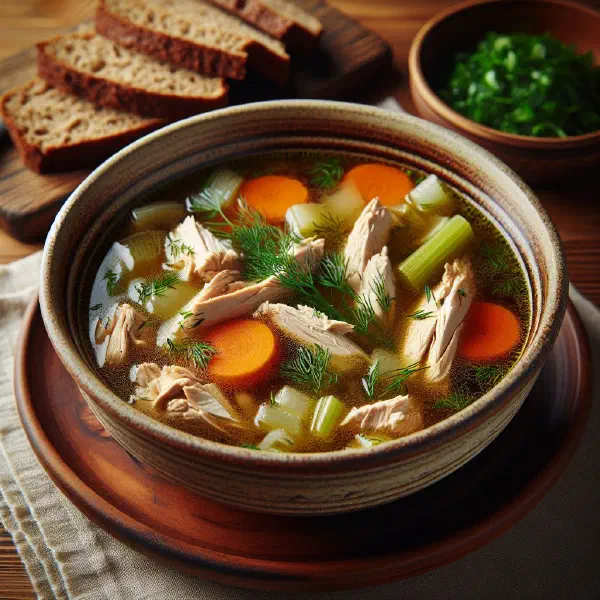
Presentation matters here as much as flavour. Serve the soup in generous, good-looking bowls and garnish with fresh herbs such as parsley or coriander. A fresh baguette or crisp bread sticks alongside add both colour and texture, as does a piece of warm Roti for a more Surinamese touch. Set on a nicely laid table, the meal becomes an occasion.
A bit of history
Driedaagse soep has its roots in the welcoming, diverse culture of Suriname. The soup reflects a culinary fusion of Indian, African and Dutch influences, all of which have left their mark on Surinamese cuisine. In many households it is made for special occasions or whenever the whole family gathers. The tradition of cooking it over three days underlines its meaning as a symbol of community and togetherness.
More recipe ideas
Summary: Driedaagse Soep
Driedaagse soep is more than a delicious meal; it is a piece of Surinamese heritage in a bowl. The combination of tender meat, fresh vegetables and warm spices produces a flavour you will not find anywhere else. It offers a wonderful way into the culinary traditions of Suriname. Let the variety of ingredients and aromas inspire you, and bring a little Surinamese culture to your own table.