National Dish Suriname: Gado Gado Moksi (Recipe)
In this article
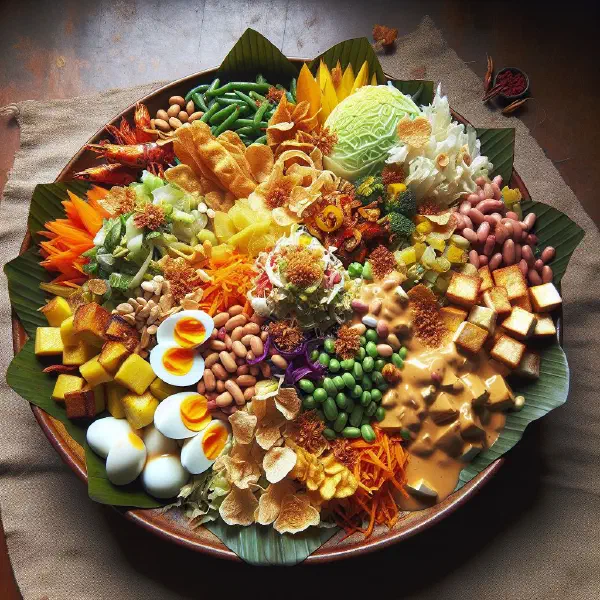
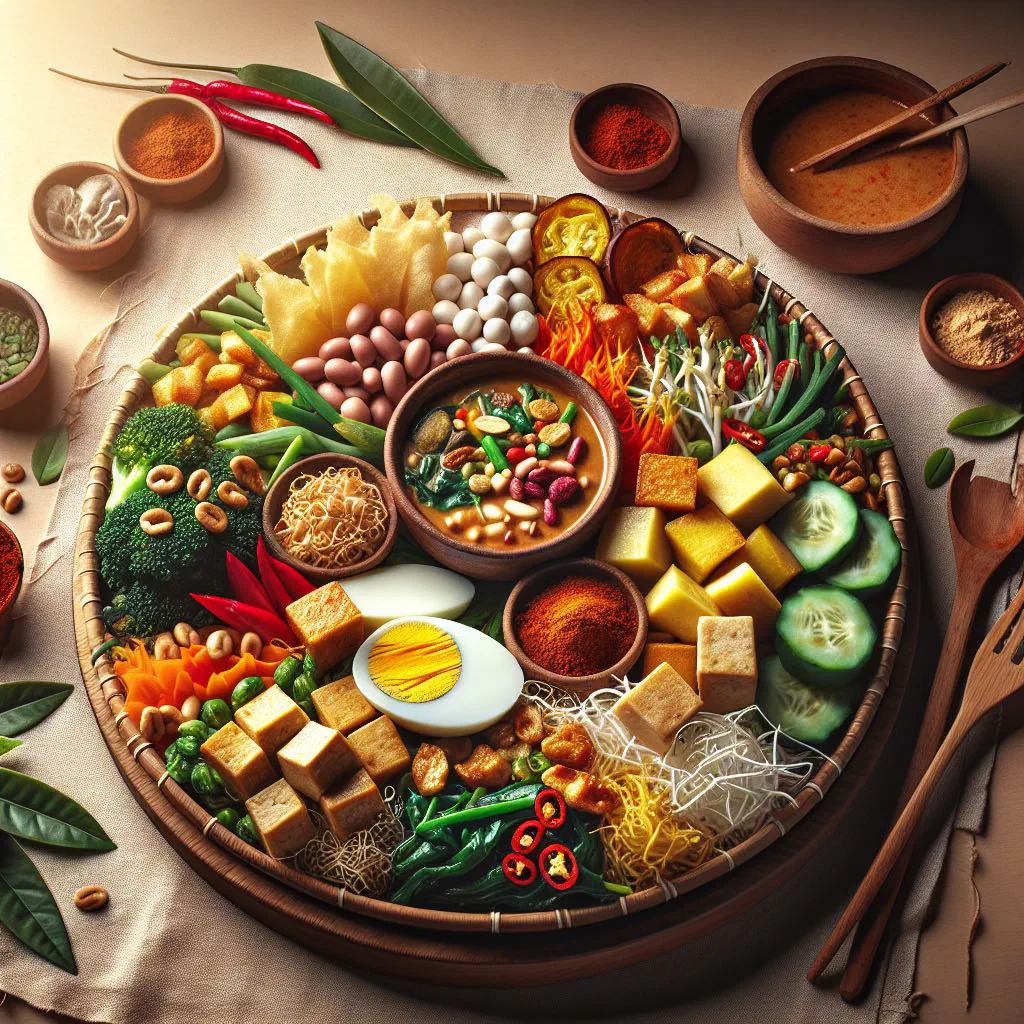
Discover Gado Gado Moksi, a bright Surinamese platter that piles crisp vegetables, golden fried tofu and hard-boiled eggs onto one generous plate, all brought together by a rich, nutty peanut sauce. It is colourful, filling and endlessly flexible, a dish that tells the story of Suriname’s Indonesian and Dutch heritage in every mouthful. Perfect for a relaxed family lunch or a festive spread with friends.
About Gado Gado Moksi
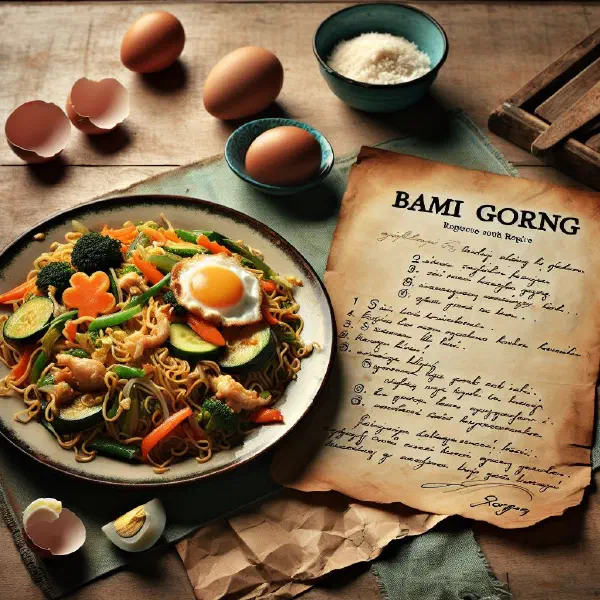
Gado gado is a traditional dish from Suriname that brings together a wide range of fresh ingredients. It is especially loved for its combination of vegetables, tofu and a wonderful peanut sauce. The name “gado gado” means “mixed vegetables”, which sums up the variety on the plate perfectly. With its long history, the dish embodies the many cultural influences found in Suriname, including Indonesian and Dutch traditions, the same crossroads that gave the country dishes such as Bami Goreng.
Ingredients (serves 1–2)
- 1 cup cooked green beans
- 1 cup cooked potatoes, diced
- 200 g tofu, diced and fried
- 1/2 cup cooked soya beans or bean sprouts
- 1 cup fresh spinach
- 1–2 hard-boiled eggs
- For the peanut sauce: 100 g peanut butter, 2 tablespoons soy sauce, 1 tablespoon lime juice, 1 tablespoon sugar, 100 ml water, 1 garlic clove, finely chopped
Shopping for the ingredients
The ingredients for gado gado moksi are usually available in any supermarket or Asian grocery. Look out for fresh vegetables when you shop, as their quality makes a real difference to the finished dish. Pay particular attention to the peanut butter used for the sauce: choose a natural version without additives for the best flavour and a healthier result.
Preparing the dish
Before you start cooking, prepare all the ingredients thoroughly. Vegetables such as green beans and potatoes should be boiled and left to cool beforehand. The tofu can also be cut into cubes and pan-fried in advance. Steps such as boiling the eggs can be done ahead of time too, so the dish comes together quickly when you are ready to serve.
Step-by-step instructions
- Make the peanut sauce by combining all the sauce ingredients in a bowl and whisking until smooth.
- Spread the cooked vegetables over a large plate or shallow bowl.
- Add the fried tofu cubes and the fresh spinach.
- Arrange the hard-boiled eggs on top of the vegetables.
- Drizzle the prepared peanut sauce evenly over the whole dish.
Gluten-free / lactose-free version
Happily, gado gado is easy to prepare gluten-free and lactose-free. Simply use gluten-free soy sauce or tamari in place of the regular kind. When choosing peanut butter, check the label for unnecessary additives. That way you can be sure the dish is enjoyable for everyone at the table and free from ingredients that might cause problems.
Tips for vegans and vegetarians
Gado gado moksi suits vegans and vegetarians beautifully. Just leave out the hard-boiled eggs or replace them with a plant-based alternative. Instead of tofu you can use seitan or tempeh to add extra protein. This keeps all the nourishing qualities of the dish while staying firmly plant-based. Do check that your peanut butter is vegan too.
More tips and tricks
To deepen the flavour of gado gado moksi, add extra herbs and spices to taste. Fresh coriander or basil work particularly well and bring an additional aromatic note. Adjust the peanut sauce to your own liking, if you enjoy heat, stir in some chilli. Experiment with different vegetables to create your very own version of gado gado.
Adapting the recipe to your taste
The lovely thing about gado gado is how easily you can adapt it to your own preferences. Use whichever vegetables you like best or whatever is in season. You can also vary the consistency of the peanut sauce by adding more or less water. It is a dish with plenty of room for creative variations, much like the classic Nasi Goreng Suriname.
Ingredient substitutions
If you do not fancy tofu, you can use chicken or tempeh instead. These alternatives bring different flavours and textures to the plate. Potatoes can be swapped for sweet potatoes to increase both the natural sweetness and the nutrient content. Be careful when adjusting the other ingredients, though, so the dish stays balanced overall.
Drink pairing ideas
A number of drinks go well with gado gado moksi. A refreshing green tea harmonises nicely with the flavours of the dish. If you would like something alcohol-free with a bit more character, a simple mint water or a fruity smoothie is an excellent choice, as is a glass of homemade Ginger Beer. Together they round off a thoroughly delicious meal.
Serving and presentation ideas
Presentation plays an important part in serving gado gado moksi. Arrange the different vegetables and the tofu attractively across the plate. You can serve the peanut sauce in a small bowl on the side so everyone can help themselves to as much as they like. A few fresh herbs as a garnish give the dish an extra lift and make it look all the more appetising. A handful of Kroepoek crackers alongside adds welcome crunch.
A bit of history
The roots of gado gado reach back into Indonesian cooking and reflect the diverse culture of the region. When the recipe travelled to Suriname with Javanese migrants, it was adapted to local ingredients. Gado gado is not only everyday fare but is also often served at festivals and special occasions. These cultural threads make the dish all the more fascinating and valuable within Surinamese cuisine.
More recipe ideas
Summary: Gado Gado Moksi
Gado gado moksi is a delicious, versatile dish that can be prepared in countless variations. It combines a generous mix of fresh vegetables, tofu and an aromatic peanut sauce that makes it a treat for everyone. Whether vegan, vegetarian or with animal products, the possibilities are almost limitless. This dish is tasty and offers an exciting journey through the cultural influences of Suriname.