National Dish Suriname: Gado Gado (Recipe)
In this article
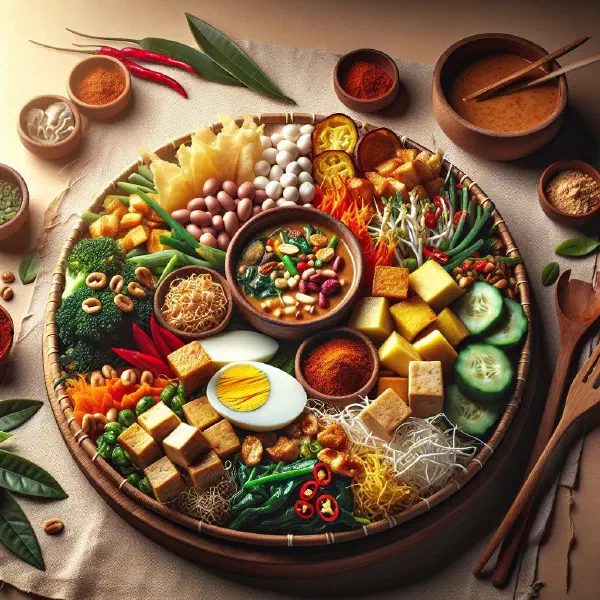
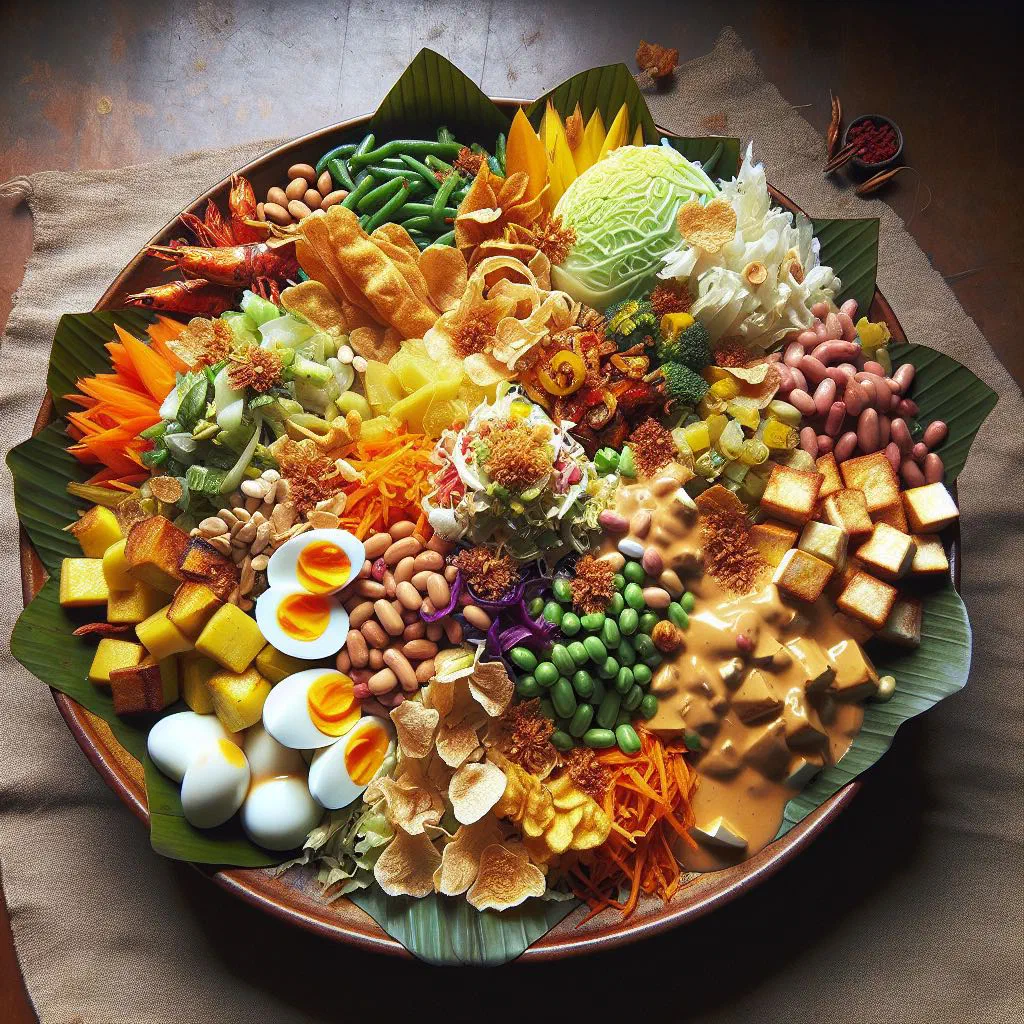
Discover Gado Gado, one of Suriname’s most colourful and best-loved plates. Crisp vegetables, golden tofu and tender potatoes are brought together by a warm, nutty peanut sauce that ties every element on the plate into one harmonious mouthful. It is light enough for a summer lunch yet substantial enough to stand as a proper main course, and it welcomes whatever produce you happen to have to hand. This is the taste of Surinamese home cooking at its most generous.
About Gado Gado
Gado Gado is a traditional national dish of Suriname that wins people over with its combination of fresh vegetables and a fragrant peanut sauce. The bright mixture is as much a feast for the eyes as it is for the palate, delivering plenty of flavour with every forkful. The long list of ingredients can look daunting at first, but that very variety is what makes the dish so special. Gado gado is always a pleasure.
Ingredients (serves 1–2)
- 200 g tofu
- 150 g green beans
- 1 small carrot
- 1/2 pepper (red or yellow)
- 2–3 potatoes
- 100 g bean sprouts
- 3–4 tablespoons peanut butter
- 1–2 teaspoons soy sauce
- 1 teaspoon lime juice
- Water, as needed
Shopping for the ingredients
To make gado gado properly, it is important to use the freshest ingredients you can find. Most of the items listed above are available in a well-stocked supermarket or at a weekly market. Pay attention to the quality of the tofu, as it has a decisive influence on the finished flavour. When buying the peanut butter, look for one that is unsweetened and free from additives so the authentic aromas come through clearly.
Preparing the dish
Before you start cooking, get all your ingredients ready. Cut the vegetables into evenly sized pieces so that they cook at the same rate. The tofu can be cubed and, if you like, marinated to deepen its flavour further. Good preparation is the key to a quick and efficient cooking process, leaving you free to concentrate entirely on the taste, the same disciplined approach that pays off with a layered rice dish such as Moksi Alesi.
Step-by-step instructions
- Fry the tofu in a pan until golden brown, then set it aside.
- Blanch the green beans and carrot in lightly salted water for 5–7 minutes.
- Peel and dice the potatoes and cook them in a separate pan until soft.
- In a small bowl, stir the peanut butter together with the soy sauce and lime juice, adding water a little at a time until you reach the consistency you want.
- Arrange all the prepared ingredients on a plate and spoon the peanut sauce evenly over the top.
Gluten-free / lactose-free version
Gado gado is easily made gluten-free and lactose-free. Use a gluten-free soy sauce and make sure the peanut butter you buy contains no additional ingredients that might carry gluten or lactose. Many products today are clearly labelled as gluten- and lactose-free, which makes choosing much simpler.
Tips for vegans and vegetarians
Gado gado is naturally vegan, as it contains no animal products at all. Do check, though, that your peanut butter is a vegan one. The accompaniments and the choice of vegetables can be varied freely to make sure the dish meets all your dietary needs. Experiment with different vegetables or add pulses to make the plate even more filling, a trick that works equally well in a hearty Kikkererwtenstoof.
More tips and tricks
A few small tips and tricks will get the very best out of this dish. You can make the peanut sauce as hot as you like by stirring in chilli or a little sriracha. Fresh herbs such as coriander or mint work beautifully as a garnish and lend the plate a lively freshness. Give your creativity free rein and shape the gado gado around your own preferences.
Adapting the recipe to your taste
Gado gado is wonderfully adaptable and easy to tailor to different preferences. If there are vegetables you would rather avoid or favour, there are plenty of alternatives available, such as courgette, aubergine or broccoli. Different protein sources work well too, chickpeas or seitan, for example. Approached this way, the dish stays interesting and varied however often you make it.
Ingredient substitutions
If you do not have every ingredient to hand, there are plenty of alternatives. Instead of tofu you can use tempeh, which has a slightly firmer texture and is just as rich in protein. In place of peanut butter, almond or cashew butter will give the dish a different character altogether.
Drink pairing ideas
A number of drinks suit gado gado and underline its flavours nicely. A refreshing soft drink such as ginger beer or a light green tea makes an excellent companion, and homemade Gemberbier is well worth the effort. If you prefer something alcoholic, a light beer or a fruity wine harmonises well. The right choice of drink can lift the enjoyment of the meal considerably.
Serving and presentation ideas
An attractive presentation makes a real difference to gado gado. Use colourful plates or bowls to show off the many shades of the dish. Adding fresh herbs as a garnish, or a scattering of roasted peanuts, provides the finishing touch. Take care to arrange all the elements harmoniously so that the whole plate looks inviting.
A bit of history
Gado gado has its roots in Indonesian cooking, where it is equally popular. In Suriname, however, the dish has developed an identity all of its own and is now a fixture of local food culture. The influences of the many cultures and ethnic groups in the country are plain to see in the variety of ingredients used, and the same story runs through much of Surinamese cuisine, including festive favourites like Pom. Gado gado is often served at celebrations, which has only added to its popularity and standing.
More recipe ideas
Summary: Gado Gado
Gado gado is a delicious and versatile dish that shows off the flavours of Surinamese cooking to perfection. With its outstanding combination of fresh vegetables and an aromatic peanut sauce, it is a hit both as a main course and as a side. Its adaptability to different diets and preferences makes it a dish for absolutely everyone. Give it a try and let the variety and flavour of Suriname work their magic on you.