National Dish Suriname: Moksi Patoe (Recipe)
In this article
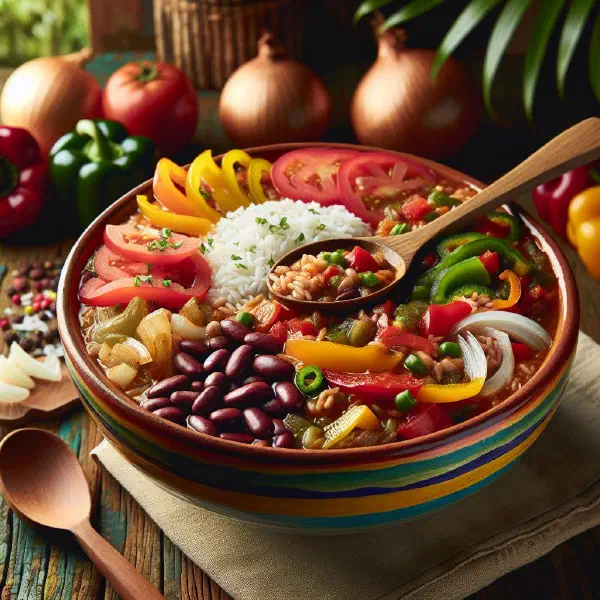
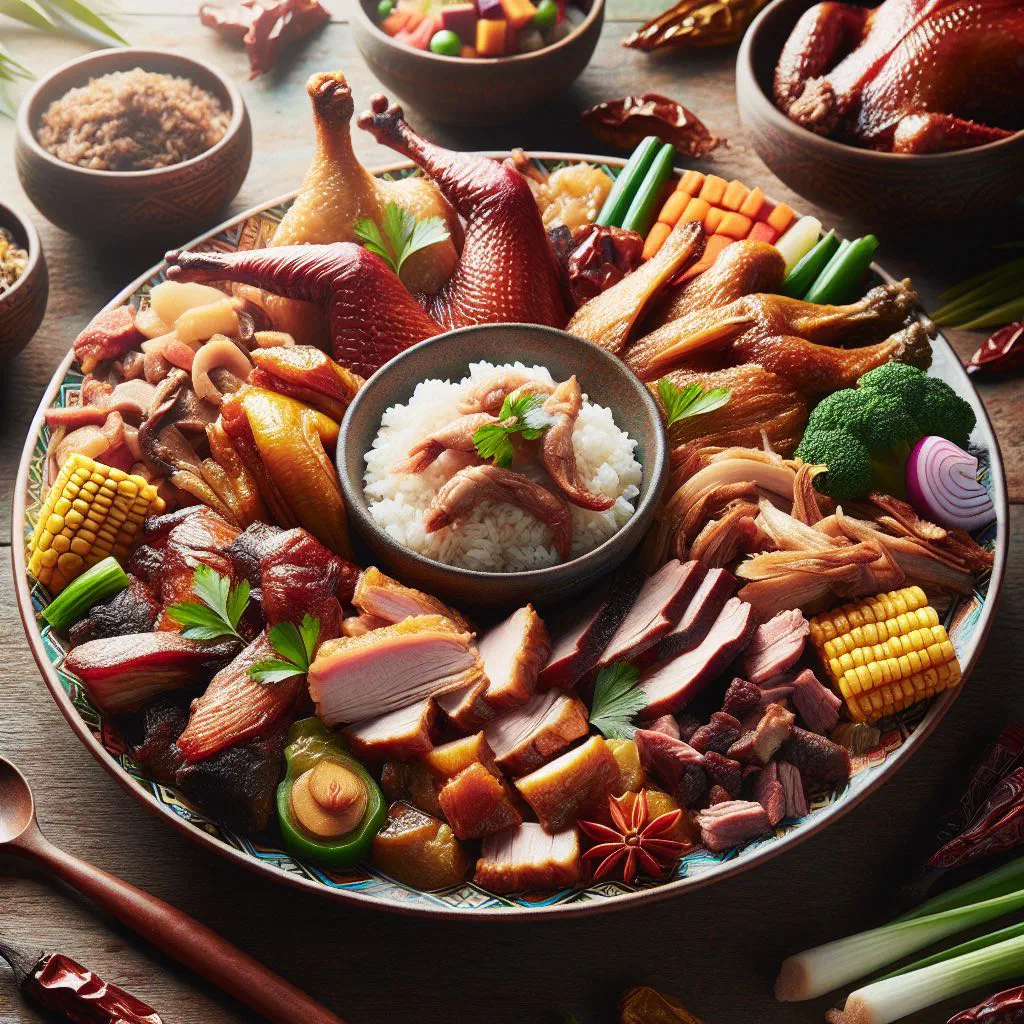
Meet Moksi Patoe, a warm-hearted one-pot rice dish that tells the whole story of Suriname on a single plate. Chicken, prawns and salted pork are seasoned with cumin and paprika, then simmered together with fragrant rice until every grain has soaked up the flavour. It is generous, unfussy cooking of the sort that fills a kitchen with good smells and brings everyone to the table at once.
About Moksi Patoe
Moksi patoe is a traditional dish from Suriname that mirrors the cultural variety of the country. It brings together several kinds of meat and fish, marinated in aromatics and spices, and cooks them alongside fragrant rice so that the flavours mingle into something quite distinctive. It is not merely a meal but a celebration of aromas and textures, the sort of dish that turns an ordinary supper into an occasion.
Ingredients (serves 1–2)
- 200 g chicken breast fillet
- 100 g prawns
- 100 g salted pork
- 200 g basmati rice
- 2 tablespoons vegetable oil
- 1 onion
- 2 garlic cloves
- 1 teaspoon ground cumin
- 1 teaspoon paprika
- 1 bay leaf
- 300 ml water
- Salt and pepper, to taste
Shopping for the ingredients
For moksi patoe it is essential to choose the freshest ingredients you can find. Visit a local market or a specialist food shop to track down the best meat and fish, and look out for regional produce that lets the authentic flavours of Suriname come through. The choice of spices matters just as much if you want to hit the characteristic taste, much as it does for a properly made Pom.
Preparing the dish
Getting moksi patoe ready is straightforward and takes only a few steps. Begin by cutting the meat and the fish into evenly sized pieces so that everything cooks through at the same rate. The onion and garlic should be finely chopped, since they carry much of the aroma. Once all the ingredients are prepped, you are ready to start cooking.
Step-by-step instructions
- Heat the vegetable oil in a large pan and fry the onion and garlic until golden brown.
- Add the chicken, the prawns and the salted pork and brown everything well.
- Scatter the cumin and paprika over the meat mixture and stir thoroughly.
- Stir in the rice and the bay leaf so that the grains take on the aromas.
- Pour in the water and bring to the boil. Lower the heat and let the rice simmer for 15–20 minutes, until tender.
- Season with salt and pepper before serving.
Gluten-free / lactose-free version
Moksi patoe is naturally gluten-free and lactose-free, provided you use the right ingredients. Check that the products you buy carry no hidden sources of gluten or lactose, particularly shop-bought stocks and ready-made spice blends, where additives often creep in. With that small precaution you can enjoy the dish without a second thought about allergies or intolerances.
Tips for vegans and vegetarians
For a vegan version of moksi patoe, replace the meat with tofu or seitan. Both offer a comparable texture and take on the spices beautifully. The fish can be stood in for by firm smoked tofu or jackfruit, keeping the dish entirely plant-based, the same trick that works so well in a Jackfruit Salad. Use vegetable stock and plant-based seasonings throughout to preserve the authentic flavour.
More tips and tricks
Moksi patoe rewards a bit of experimentation with spices and additions. Try stirring in fresh herbs such as coriander or parsley at the end for extra brightness. You can also adjust the ratio of rice to meat and fish depending on whether you prefer the dish hearty or light. Use that flexibility to build a version that suits your own palate exactly.
Adapting the recipe to your taste
To tailor moksi patoe to your preferences, experiment with different meats. Instead of chicken you might use beef or lamb, both of which give the dish a fresh twist. Adding vegetables such as peppers or carrots improves the nutritional balance and brings welcome colour to the pan.
Ingredient substitutions
If some ingredients prove hard to find, there is always an alternative. In place of basmati you can use jasmine rice or even quinoa to change the character of the dish. Where the meat is concerned, swapping the water for chicken stock deepens the flavour considerably, and salted fish in the style of Bakkeljauw makes a fine stand-in for the prawns. Creativity and flexibility are the key to adapting the recipe to what is available.
Drink pairing ideas
For a complete meal, pair moksi patoe with traditional drinks. A refreshing Caribbean rum cocktail or a sharp ginger tea sits perfectly against the spices and aromas of the dish. For an alcohol-free option, a homemade fruit juice or sparkling water with lime is an excellent choice. Drinks like these round off the experience and bring a little Caribbean cheer to the table.
Serving and presentation ideas
Presentation can make all the difference in how lively and appealing moksi patoe looks. Serve the rice on a large flat plate or in a wide bowl and garnish it with fresh herbs or lime wedges. Add small bowls of spicy dipping sauce and crisp salad alongside to offer a range of flavours; a few Surinamese Cassava Chips make a fine crunchy extra. The visual impression contributes a great deal to the pleasure of the meal.
A bit of history
Moksi patoe has a long tradition in Suriname and reflects the influence of many cultures. Prepared in various regions of the country, it unites elements of Indian, African and European cooking, and it is a cornerstone of Surinamese cuisine. It is often served at festivals and celebrations, drawing people together, so that moksi patoe is regarded not just as food but as a symbol of community and belonging.
More recipe ideas
Summary: Moksi Patoe
Moksi patoe is more than just a dish. It is a tour through Suriname’s varied culture. By combining several kinds of meat and fish in harmony with fragrant rice, it delivers a flavour you will not mistake for anything else. From the preparation to the presentation, there are countless ways to adapt it to your own preferences. Let a little Caribbean joie de vivre inspire you and enjoy every last spoonful of moksi patoe.