National Dish Suriname: Nasi Goreng (Recipe)
In this article
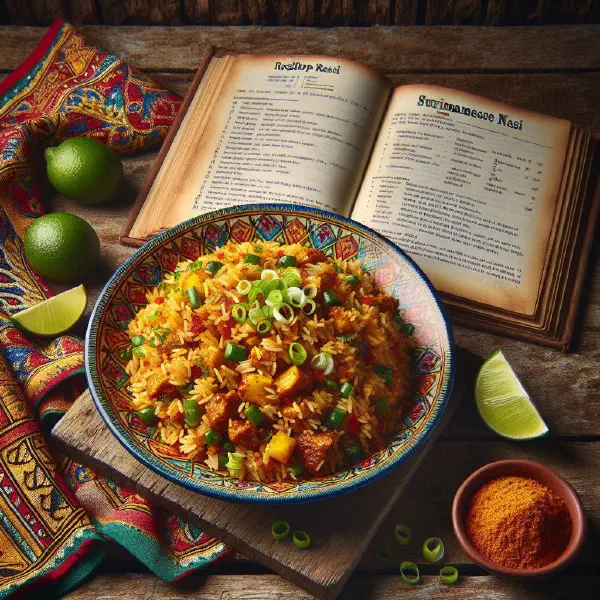
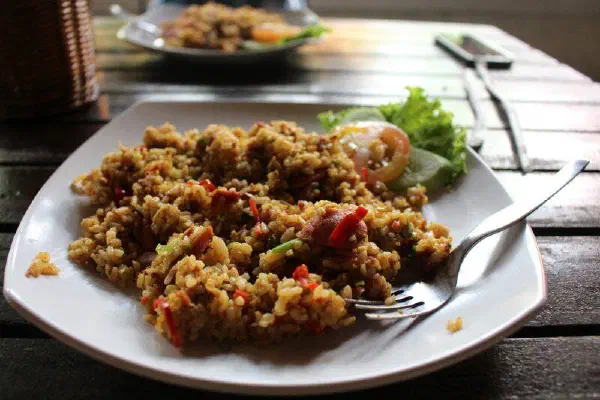
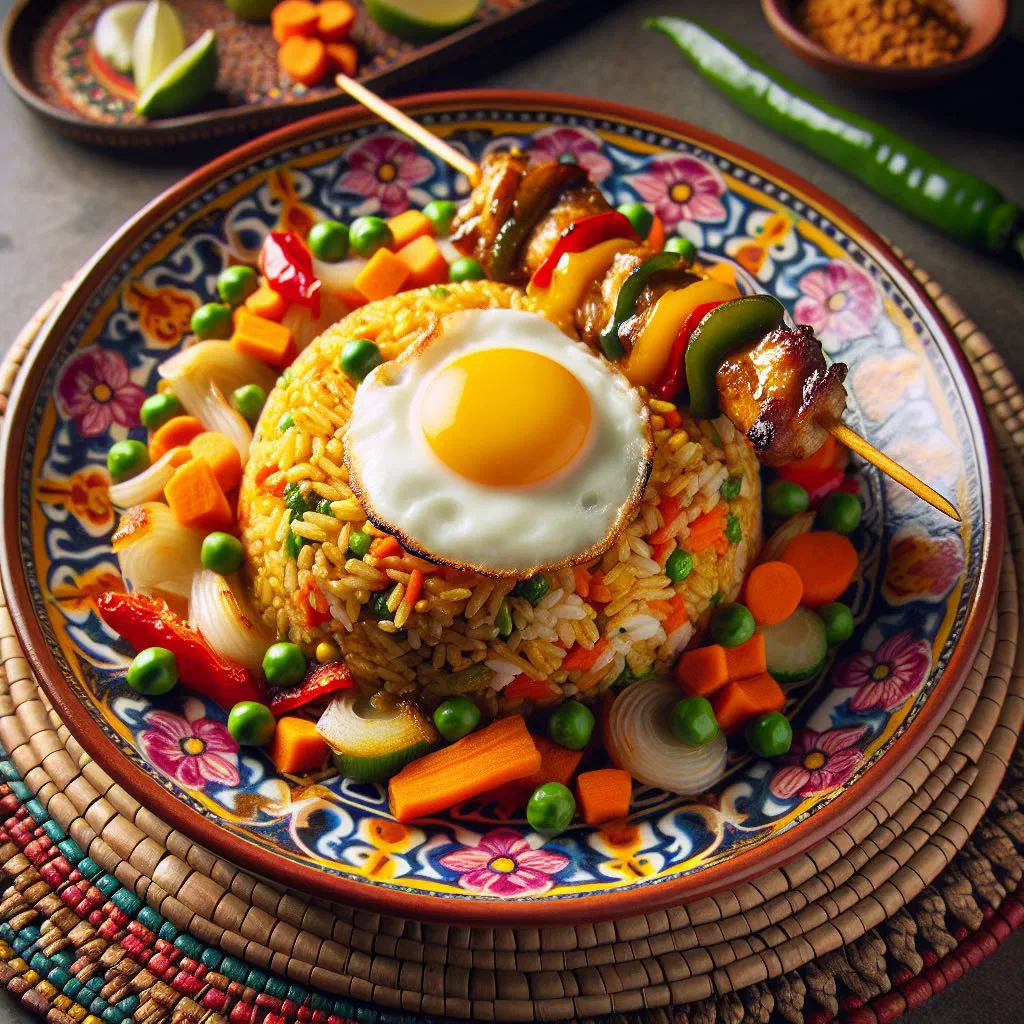
Few dishes capture Suriname’s tangled culinary history quite like Nasi Goreng. This gloriously savoury fried rice arrived with Javanese settlers and settled comfortably into the local kitchen, picking up Surinamese habits along the way. Golden grains of rice mingle with crisp vegetables, tender protein and a warming hit of chilli, a dish that works equally well as a quick supper or the centrepiece of a shared table.
About Nasi Goreng
Surinamese cooking is celebrated for its culinary diversity and its unmistakable flavours. One of the best-known dishes is Nasi Goreng, a fried rice prepared with an armful of ingredients and spices. The dish weaves Asian influences together with traditional Surinamese notes, which is exactly what makes it such a distinctive experience. Nasi goreng has something for every palate.
Ingredients (serves 1–2)
- 200 g rice (jasmine rice for preference)
- 150 g chicken breast or tofu
- 1 carrot
- 100 g peas
- 2 spring onions
- 2–3 garlic cloves
- 2 tablespoons soy sauce
- 1 tablespoon sambal oelek (to taste)
- 2 eggs (optional)
- 1 tablespoon vegetable oil
Shopping for the ingredients
To get the best ingredients for your nasi goreng, head for local markets or an Asian grocery. These are usually the places with the freshest, best-quality produce, particularly when it comes to vegetables and meat. Check everything carefully for freshness so the finished dish tastes as good as it can. Give some thought to the spices too, since they shape the character of the whole plate, much as they do in a fragrant Kip Masala.
Preparing the dish
Making nasi goreng begins with cooking the rice, ideally the day before so it can chill overnight in the fridge. Cold rice fries far better because it sticks less and the grains stay separate. The vegetables, carrots and spring onions included, should be cut into small pieces so everything cooks evenly. Prepare the meat or the plant-based alternative in the same way, dicing it small.
Step-by-step instructions
- Heat the vegetable oil in a large frying pan or a wok over medium heat.
- Add the garlic and fry briefly until fragrant.
- Add the diced meat or tofu and fry until golden brown.
- Stir in the carrots and peas and fry everything for a few minutes.
- Tip the cooked rice into the pan and mix thoroughly.
- Add the soy sauce, sambal oelek and the sliced spring onions, then stir well.
- Optional: fry the eggs in a separate pan and lay them over the nasi goreng.
- Serve the dish piping hot and enjoy.
Gluten-free / lactose-free version
For a gluten-free version of nasi goreng, use gluten-free soy sauce, or leave the soy sauce out altogether and season with rice vinegar instead. Most of the remaining ingredients are naturally free from gluten. The dish is just as easy to make lactose-free: simply omit the eggs or swap them for a plant-based alternative. That way the pleasure remains intact for anyone with particular dietary needs.
Tips for vegans and vegetarians
Vegans and vegetarians will find tofu or tempeh an excellent stand-in for meat. These proteins are not only good for you, they also soak up the spices beautifully. The dish can be enriched with a wide range of vegetables to add extra nutrients and colour. Experiment with courgette or peppers to give your nasi goreng a personal signature, in the same spirit as the vegetable-led Gado Gado.
More tips and tricks
The single most important tip for a perfect nasi goreng is to use leftover rice that is at least a day old. Freshly cooked rice tends to turn mushy, whereas cooled rice has exactly the right texture for frying. Keep the pan moving so the dish cooks evenly and nothing catches. A scattering of fresh herbs such as coriander brings extra aroma and lift.
Adapting the recipe to your taste
The beauty of nasi goreng lies in its flexibility. You can tune the ingredients entirely to your own liking. The heat, for instance, is easily dialled up or down with more or less sambal oelek. Have other favourite vegetables? Simply throw them in. The protein is variable too, chicken, beef, prawns or plant-based alternatives all work. Experiment until the dish sits exactly where you want it.
Ingredient substitutions
If you find yourself without a particular ingredient, alternatives are never far away. Basmati or brown rice can stand in for jasmine rice, though the cooking times will differ. For the sauce, try a homemade blend of soy sauce, vinegar and sugar for a creative twist. If peas are not to your taste, sweetcorn or broccoli make perfectly good substitutes.
Drink pairing ideas
Refreshing drinks are a natural match for a savoury dish like nasi goreng. A classic Southeast Asian choice is Thai iced tea, whose sweetness and perfume sit well against the spicier notes on the plate. For something alcohol-free, a fresh lime cordial complements the flavours perfectly, as does a homemade Gemberbier. If you fancy something different, a light beer or a fruity sangria will do nicely.
Serving and presentation ideas
Presentation can noticeably improve the whole nasi goreng experience. Serve the dish on a large plate and garnish it with fresh herbs and perhaps a few slices of lime or chilli. Crispy fried onions scattered over the top add welcome texture and flavour. An attractive table setting or striking crockery goes a long way towards turning your nasi goreng into a festive meal.
A bit of history
Nasi goreng has its roots in Indonesian cooking and has spread over the years into various regions, Suriname among them. The dish is a fine illustration of the many cultural influences that meet in this corner of South America. The blend of Asian ingredients with local habits is what makes it such a singular experience, and the same story runs through much of Surinamese cuisine. Sharing this dish in good company is a mark of hospitality and of the sheer pleasure of eating together.
More recipe ideas
Summary: Nasi Goreng
In short, Surinamese nasi goreng is a flavourful and versatile dish that deserves a place in any kitchen. The combination of fried rice, fresh vegetables and generous seasoning delivers a taste experience all of its own. Nasi goreng will win your guests round. Take inspiration from it and enjoy the wonderful flavours of Suriname.