National Dish Suriname: Pastei (Recipe)
In this article
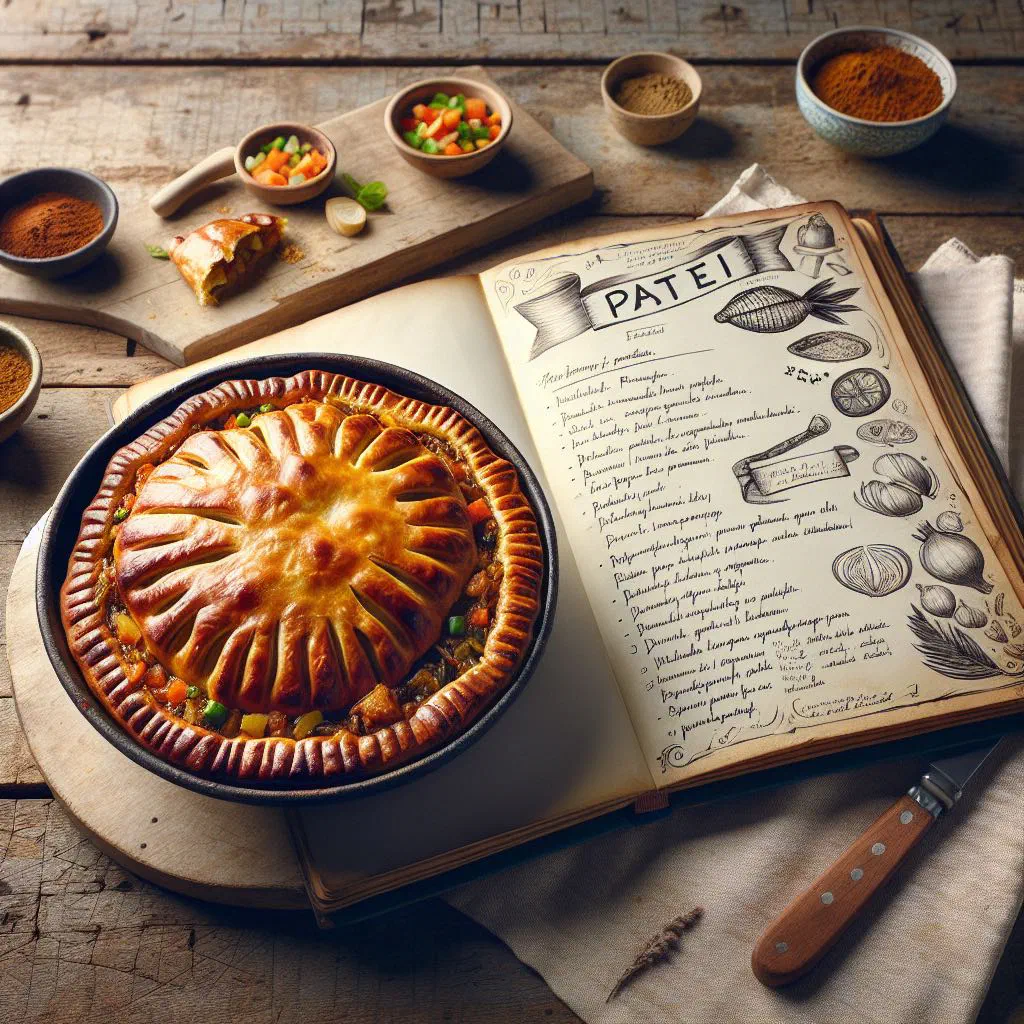
Discover Pastei, one of Suriname’s most cherished savoury bakes. Crisp, golden pastry encloses a generously spiced filling of meat and vegetables, making it every bit as good as a quick snack as it is as a proper main course. Served warm from the oven or cool from the tin, it carries the warm, layered aromas that define Surinamese home cooking, and it is far easier to make than its impressive looks suggest.
About Pastei
Pastei is a much-loved national dish of Suriname, known for the delicious variety of fillings it can hold. This savoury bake is most often made with minced meat, vegetables and a generous blend of spices that sit in perfect harmony with the crisp pastry around them. Pastei is a popular snack and an excellent choice for a main course. Its flavours pleasure every palate and show off the best of the country’s kitchen.
Ingredients (serves 1–2)
- 200 g plain flour
- 100 g butter
- 1 egg
- 250 g minced meat (beef or chicken)
- 1 onion, diced
- 1 carrot, grated
- Spices (salt, pepper, paprika)
- 1 clove of garlic, minced
Shopping for the ingredients
When shopping for the ingredients for pastei, it is important to choose fresh produce to guarantee the best flavour. Look for high-quality options when buying meat and vegetables, as these are what give the filling its aroma. Visit a local market or an organic grocer to find the best ingredients. Where possible, buy everything on the same day so that every component can be prepared while it is at its freshest.
Preparing the dish
Before you start making the pastei, prepare all your ingredients thoroughly. That means washing and finely chopping the vegetables and seasoning the meat properly. It also helps to make the pastry in advance so that it is not sticky when you come to fill and shape the pastei. A well-organised work surface makes the whole process run smoothly and saves a good deal of time.
Step-by-step instructions
- Combine the flour and butter in a bowl and knead to a smooth pastry.
- Wrap the pastry in cling film and chill in the fridge for at least 30 minutes.
- Fry the onion and garlic in a pan, then add the minced meat and cook until browned through.
- Stir in the grated carrot and your chosen spices and mix everything together well.
- Take the pastry from the fridge, roll it out and cut it into small rounds.
- Spoon the filling onto the pastry rounds and seal the edges firmly.
- Bake in a preheated oven at 180 °C until golden brown.
Gluten-free / lactose-free version
To make pastei gluten-free, use a gluten-free flour blend suited to pastry work. Lactose-free butter or a plant oil can stand in for ordinary butter, so the flavour is preserved while you enjoy a gluten- and lactose-free version. Do experiment with different flours to find the consistency you like best, much as you would when working the dough for a homemade Roti.
Tips for vegans and vegetarians
For vegan and vegetarian versions of pastei, simply replace the minced meat with a mixture of vegetables, lentils or tofu. Let the spices infuse for a few minutes longer to draw out their full aroma. A combination of mushrooms and leafy greens also makes a tasty filling. You can enrich the mixture with plant-based cream for a more velvety texture.
More tips and tricks
To get the most out of your pastei, it pays to experiment with the fillings. Try different meats, such as spicy sausage or chicken. Adding fruit such as pineapple or mango gives the filling a surprisingly sweet note. Freshly chopped herbs are another simple way to intensify the aroma of your pastei.
Adapting the recipe to your taste
Taking personal preferences into account makes cooking pastei far more interesting. Vary the spice mix to suit your palate: if you like heat, add chilli; if you prefer something milder, hold back on the seasoning. This flexibility is one of the reasons the dish is so popular, the recipe adapts effortlessly to whoever is at the table.
Ingredient substitutions
If you are missing ingredients for pastei, there are plenty of alternatives to fall back on. Instead of fresh minced meat you can use a plant-based mince. With vegetables you have a completely free hand: simply chop whatever is to hand, be it courgette, spinach or peppers. That same easy-going approach works well for Aloo Pie and means you can conjure up a delicious pastei from very simple ingredients.
Drink pairing ideas
Pastei pairs beautifully with a range of drinks to round out the meal. A cold beer or a fruity cocktail makes a fine companion to this savoury bake. For non-alcoholic options, fresh juices, aromatic teas or a chilled glass of Gemberbier come highly recommended.
Serving and presentation ideas
An attractive presentation can lift the whole pastei experience considerably. Serve the pastei on a handsome plate alongside a colourful side dish such as a crisp salad. Garnish the plate with the same fresh herbs used in the filling to create visual interest. We eat with our eyes first, and a thoughtful arrangement genuinely heightens the pleasure of the meal.
A bit of history
Pastei has a fascinating history rooted deep in the culture of Suriname. Shaped both by indigenous peoples and by the many waves of immigrants who arrived over the centuries, it has given rise to countless variations. This reflects the sheer diversity of Surinamese cuisine, which draws on Indian, Chinese and Dutch influences alike, the same melting pot that produced classics such as Pom. Today, pastei is firmly established as one of the country’s most characteristic dishes.
More recipe ideas
Summary: Pastei
Pastei is a delicious and versatile dish that shows off the flavours of Suriname to the full. With such a wide choice of fillings and pastries, you can tailor it entirely to your own taste. A vegan or a vegetarian, pastei has something to offer everyone. Let Surinamese cooking inspire you and give this traditional bake a try.