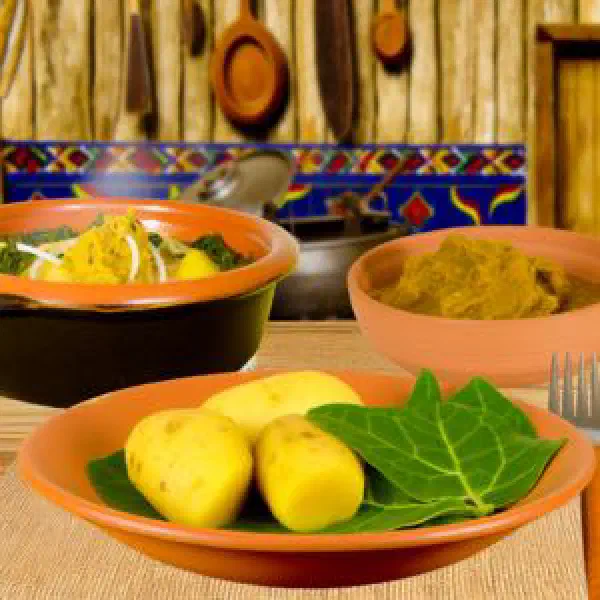
National Dish Suriname: Podosiri (Recipe)

In this article
Meet Podosiri, a colourful tropical stew that captures everything there is to love about Surinamese cooking. Fresh fish simmers gently with crunchy vegetables, warming spices and a splash of coconut milk until the whole pot smells of the rainforest coast. It is quick enough for a weeknight, generous enough for guests, and endlessly forgiving if you like to cook by instinct rather than by the book.
About Podosiri
Podosiri is far more than a simple stew; it is a symbol of Suriname’s cultural diversity. Preparing this traditional one-pot dish draws together the fresh aromas of the tropics and creates a flavour experience all of its own. The main components are fresh fish, a generous range of vegetables and the spices that bring out the character of every single ingredient. Over the years this vivid stew has become a firm favourite with locals and visitors alike.
Ingredients (serves 1–2)
- 200g fresh fish (tilapia or snapper, for example)
- 1 small onion, diced
- 1 clove of garlic, crushed
- 1 carrot, sliced
- 1 pepper, diced
- 100g green vegetables (green beans or spinach, for example)
- 1 piece of ginger, grated
- 500ml vegetable or fish stock
- 2 tablespoons coconut milk
- Spices to taste (salt, pepper, turmeric)
Shopping for the ingredients
To make podosiri properly, choose fresh ingredients of good quality. Visit your local market or a shop that specialises in tropical produce. Make sure the fish is fresh and smells clean and pleasant. The vegetables should look bright and crisp too, as this is what guarantees the best flavour in the finished stew, the same rule that applies to a plate of Surinaamse Garnalen.
Preparing the dish
Good preparation is what makes podosiri come together well. Start by washing the vegetables and cutting them into the shapes you want. The fish should be cut into bite-sized pieces so that it cooks through evenly. Getting everything ready in advance shortens the cooking time and makes the whole process far more relaxed.
Step-by-step instructions
- Heat a little oil in a large pan and sweat the onion and garlic until soft.
- Add the carrot and pepper and fry the vegetables for a few minutes.
- Add the fish and the ginger and cook everything together until the fish is lightly browned.
- Pour in the stock and the coconut milk and bring the mixture to the boil.
- Reduce the heat, cover the pan and let the stew simmer for around 15 minutes.
- Add the green beans or spinach and simmer for a further 5 minutes.
- Season the stew to taste with salt, pepper and turmeric before serving.
Gluten-free / lactose-free version
Podosiri is easily made gluten-free and lactose-free simply by checking that every ingredient you use is free from gluten and lactose. Choose a vegetable or fish stock without additives, and use unsweetened coconut milk in the recipe. The aromatic spices and fresh ingredients make sure the stew stays full-bodied and delicious all the same, so anyone with particular dietary needs can enjoy it too.
Tips for vegans and vegetarians
To make podosiri vegan or vegetarian, swap the fish for plant-based proteins such as tofu or seitan. These alternatives soak up the flavours of the spices and stock beautifully while keeping the dish light and nourishing. Be sure to pick a plant-based stock as well. Adding an extra handful of colourful vegetables gives you a stew that looks every bit as good as it tastes, much like a bowl of Kikkererwtenstoof.
More tips and tricks
A few small tips will make your podosiri even tastier. Experiment with different vegetables or spices to discover new flavours. If the stew looks too thick, simply add a little more stock. Letting it simmer for longer gives the aromas more time to develop. For an extra note of freshness, add a squeeze of lemon juice just before serving.
Adapting the recipe to your taste
Everyone eats differently, and podosiri is easy to adjust. If you like heat, add chilli flakes or fresh chillies. For a sweeter note you can work in a little pineapple or mango. Beyond that, the ingredients can vary entirely to suit you, as long as the basic idea of a generous one-pot stew stays intact.
Ingredient substitutions
If certain ingredients are hard to find, alternatives are easy to come by. Instead of fresh fish you can use tinned fish, which works surprisingly well here, the same trick that keeps Bakkeljauw on the table year-round. Vegetables such as courgette or aubergine make an excellent addition. The key is to find creative solutions that leave the delicious flavours intact.
Drink pairing ideas
A good drink alongside podosiri deepens the whole experience. Try a fruity drink such as mango or pineapple juice for a tropical touch. Refreshing mint water or a cold beer both work well too. For an evening meal, a light white wine complements the flavours of the dish nicely.
Serving and presentation ideas
Presentation can lift your podosiri considerably. Serve the stew in large, colourful bowls that echo the tropical shades of the ingredients. Add fresh herbs such as coriander or parsley as a garnish to make the dish look livelier. A few slices of lime on the plate give it not only an inviting look but extra flavour as well.
A bit of history
Podosiri has its roots in the rich cultural mix of Suriname, where many ethnic groups and traditions come together. The make-up of the dish reflects the many strands of Surinamese cuisine. Historically the stew was made with whatever was freshest at the local market on the day. Podosiri is an occasion, one that brings family and friends around the same table.
More recipe ideas
Summary: Podosiri
All in all, podosiri is a remarkable dish that brings the flavours and culture of Suriname together in one pot. The combination of fresh fish, vegetables and tropical spices makes it an experience well worth seeking out. The freshness and taste are hard to match. Let this culinary tradition inspire you and bring a touch of Suriname into your kitchen.