National Dish Sweden: Ärtsoppa and Pannkakor (Recipe)
In this article
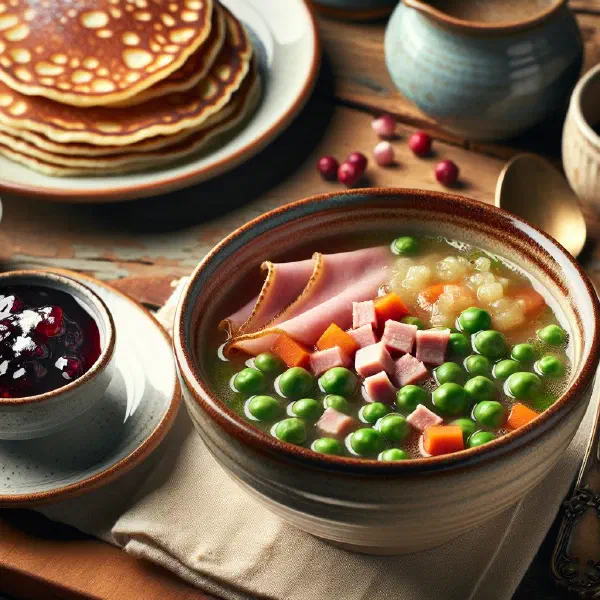
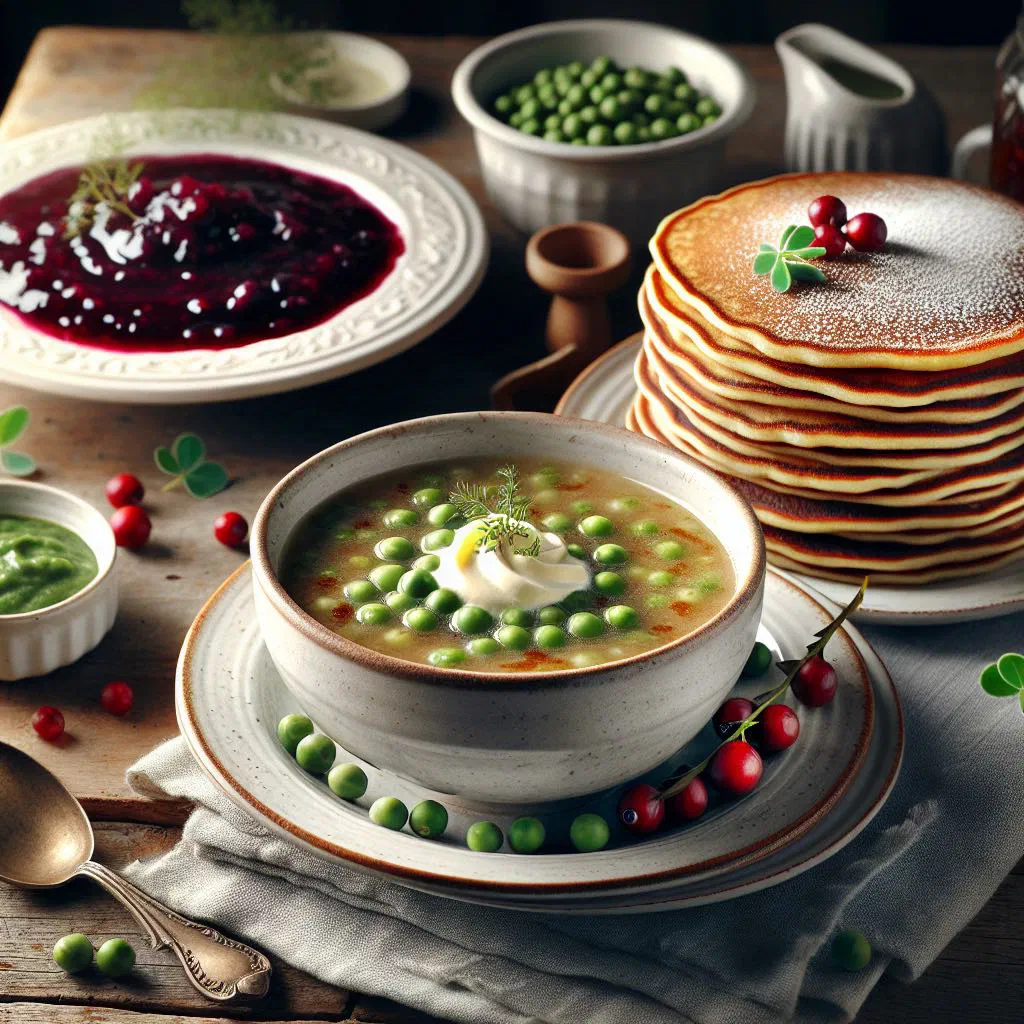
Meet Ärtsoppa and Pannkakor, a heart-warming Swedish tradition that pairs a golden bowl of yellow pea soup with a stack of thin, delicate pancakes. Savoury and sweet in one sitting, this two-course classic has been ladled out in homes and canteens across Sweden for generations, famously on a Thursday. It is honest, filling fare that turns a cold evening into something to look forward to, and it brings a genuine taste of the north straight to your own table.
About Ärtsoppa and Pannkakor
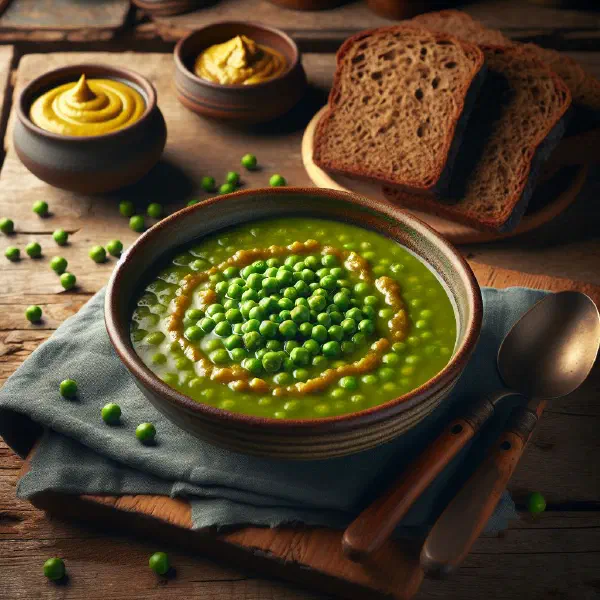
Ärtsoppa, an aromatic yellow pea soup, is not only a beloved dish in Sweden but a true emblem of Swedish cooking. This hearty soup is usually made with salted pork, which gives it a distinctive, savoury depth. Traditionally it is served on a Thursday, followed by the classic Pannkakor, thin, tender pancakes. The pairing of warming soup and sweet pancakes makes Ärtsoppa and Pannkakor a firm favourite both on cold winter days and at festive gatherings.
Ingredients (serves 1–2)
- 250 g dried yellow peas
- 150 g salted pork
- 1 onion
- 2 carrots
- 1 litre vegetable or meat stock
- 1 bay leaf
- Salt and pepper, to taste
- For the pannkakor: 125 g plain flour
- 1 egg
- 300 ml milk
- Butter, for frying
- Jam or cream, to serve
Shopping for the ingredients
The ingredients for Ärtsoppa and Pannkakor are available in most supermarkets and are easy to gather. When buying the yellow peas, look for ones that are fresh and of good quality. Salted pork can often be found at the chilled counter; alternatively, some specialist shops selling traditional foods will stock it. Onions and carrots are everyday ingredients found in any kitchen, and the remaining items are mostly staples that most people already have at home.
Preparing the dish
Before you start making your Ärtsoppa, it is important to soak the yellow peas in water overnight. This shortens the cooking time and improves the texture of the soup. On the day of cooking, drain and rinse the peas well before using them. Prepare the vegetables too, peeling the onion and carrots and cutting them into small dice so they cook evenly.
Step-by-step instructions
- Put the soaked peas into a large pan with the stock and bring to the boil.
- Add the salted pork, the diced onion, the carrots and the bay leaf.
- Reduce the heat and let the soup simmer for about 1–1.5 hours, until the peas are soft.
- Season the soup with salt and pepper, remove the bay leaf and blend briefly with a stick blender, depending on the consistency you prefer.
- For the pannkakor, mix all the ingredients in a bowl until the batter is smooth. Fry thinly in a pan with a little butter.
- Serve the pannkakor warm, ideally with jam or cream.
Gluten-free / lactose-free version
Making Ärtsoppa and Pannkakor for people with a gluten or lactose intolerance is easier than you might think. To make the pancakes gluten-free, simply use a gluten-free flour blend in place of the wheat flour. For the lactose-free version you can use lactose-free milk or plant-based alternatives such as almond or oat milk. The main dish, the soup base, is generally gluten-free anyway, as long as you make sure the stock contains no gluten.
Tips for vegans and vegetarians
If you would like to prepare Ärtsoppa and Pannkakor as a vegan or vegetarian meal, replace the salted pork with smoked tofu or smoked seitan to achieve a similar savoury flavour. For the soup, use a vegetable stock free from animal products. Make sure the flour and plant-based milk you use are free from animal ingredients, so the dish stays fully plant-based. You can also add plenty of vegetables such as celery or leek to boost the aroma.
More tips and tricks
To give your Ärtsoppa a special touch, you can add different spices such as cumin or thyme. These bring interesting flavours to the soup and vary the taste. Stir the soup regularly to stop it catching on the bottom of the pan. If you like it hotter, you can also add a little chilli and adjust it to your own liking.
Adapting the recipe to your taste
If you cannot find salted pork, you can also use other kinds of meat such as bacon or ham to achieve the flavour you want. For vegan or vegetarian versions, smoked spices can create a similar effect. For the pannkakor, you can use different types of flour to vary the flavour and texture. Buckwheat flour, for example, works well as a gluten-free alternative and pairs nicely with the lingonberry note of Lingonsylt.
Ingredient substitutions
If certain ingredients are not to hand, there are plenty of creative swaps to try. In place of the classic salted pork, a smoky bacon or a slice of ham delivers the same savoury backbone that carries a bowl of Ärtsoppa. For the batter, wholemeal or buckwheat flour changes both the taste and the texture, while a plant-based milk keeps things light. Substitutions like these let you adapt the recipe to what is in season or to your own preferences.
Drink pairing ideas
Plenty of drinks pair nicely with Ärtsoppa and Pannkakor. A classic Swedish choice is apple must, whose gentle sweetness harmonises perfectly with the savoury soup. A light beer or a mild red wine can also be a good match. For an alcohol-free option, a freshly pressed apple juice or a herbal tea makes a lovely choice to round off the flavours.
Serving and presentation ideas
The presentation of Ärtsoppa and Pannkakor can be made more appealing with a few simple touches. Serve the soup in pretty, deep bowls and garnish it with fresh herbs such as parsley or chives. With the pannkakor you can apply an attractive folding technique or stack them and decorate with a fruit sauce. We eat with our eyes, after all, and an inviting presentation can lift the whole culinary experience.
A bit of history
Ärtsoppa has a long tradition in Sweden and has been prepared for centuries in both households and restaurants. Originally the soup was made by farmers as a nourishing and inexpensive meal. It was usually cooked every Thursday to prepare for the weekend. The Pannkakor traditionally accompanied the soup as a sweet dessert, and this pairing was handed down from generation to generation. Over time the dish has grown into a symbol of Swedish identity and today features in many Swedish festivities and traditions, a proud fixture of Swedish cuisine.
More recipe ideas
Summary: Ärtsoppa and Pannkakor
In short, the traditional Swedish dish Ärtsoppa and Pannkakor offers a harmonious combination of savoury and sweet flavours. The warming pea soup is perfect for cold days, while the tender pancakes make a sweet finish. The preparation is simple, and there are many variations, so there is something to please every palate. Let this Swedish classic win you over and bring a piece of Sweden into your own kitchen.