National Dish Sweden: Gravlax (Recipe)
In this article
Meet Gravlax, Sweden’s elegant national treasure and a jewel of any Scandinavian table. Fresh salmon is cured slowly in a simple blend of salt, sugar and fragrant dill, transforming into something silky, delicate and quietly luxurious. Once a clever way to preserve fish through the long northern winters, it is now prized for its fresh, refined flavour. Serve it thinly sliced with dark bread and you have a taste of Sweden that feels both rustic and refined.
About Gravlax
Gravlax, or gravad lax as it is known in Swedish, is far more than a dish. It is a slice of Swedish culture. The word gravad means “buried” or “cured”, and it describes the traditional method in which fresh salmon is packed in a mixture of salt, sugar and dill. Originally the technique was a way of keeping fish edible in an age before refrigeration, when fishermen would bury the salted catch to let it ferment gently. Today gravlax is loved for its uniquely fine aroma and its tender, melting texture, and it stands proudly as one of the great classics of Swedish cuisine.
Ingredients (serves 1–2)
- 400 g fresh salmon fillet, ideally sushi-grade
- 2 tablespoons coarse sea salt
- 2 tablespoons sugar
- 1 bunch fresh dill
- Freshly ground black pepper
- Lemon slices, to garnish
Shopping for the ingredients
When buying the salmon, look above all for freshness and quality. Sushi-grade fish is well worth seeking out, as you will be eating it essentially raw. A good fishmonger or a well-stocked supermarket counter is the best place to start. You can recognise fresh dill by its firm green stalks and bright, perky fronds that show no sign of wilting.
Preparing the dish
Take the salmon out of the fridge about half an hour before you begin, so it can come up to room temperature. This small step makes the curing process easier and helps the salt and sugar work evenly into the flesh. Have a shallow dish and some cling film ready, since the fish will need to rest under wraps for a day or two.
Step-by-step instructions
- Rinse the salmon under cold water and pat it thoroughly dry.
- In a small bowl, mix the coarse sea salt with the sugar and a little freshly ground black pepper.
- Lay the salmon skin-side down in a shallow dish.
- Spread the salt, sugar and pepper mixture evenly over the fillet.
- Wash the dill, shake it dry, chop it roughly and scatter it over the fish.
- Cover the salmon with cling film and refrigerate for 24–48 hours, turning it once halfway through the curing time.
- Remove the salmon from the fridge, wipe off the dill and curing mixture, then slice it thinly and serve.
Gluten-free / lactose-free version
Gravlax is naturally gluten-free and lactose-free, which makes it a wonderfully inclusive dish. The cure itself contains only salt, sugar, dill and pepper, so there is nothing to swap out in the fish. Simply take care with what you serve alongside it: choose a gluten-free crispbread such as Knäckebröd or dark rye that suits your needs, and everyone at the table can enjoy this Swedish classic without a second thought.
Tips for vegans and vegetarians
As a cured fish dish, gravlax is not suitable for vegans or vegetarians in its traditional form. That said, the same salt-sugar-dill cure can be applied to firm vegetables such as thick slices of beetroot or carrot to create a plant-based homage with a similar fresh, herbaceous character. Marinated this way and sliced thinly, they make a striking, colourful alternative that captures the spirit of the original.
More tips and tricks
For extra depth of flavour, add a little grated lemon or orange zest to the curing mix. A small splash of aquavit or gin lends the cure a distinctive Scandinavian note that pairs beautifully with the dill. Keep the fish weighted down lightly during curing for a firmer texture, and always slice against the grain with a long, sharp knife to achieve those elegant, wafer-thin pieces.
Adapting the recipe to your taste
Gravlax is easy to tailor to your own preferences. If you like a milder result, adjust the balance of sugar and salt in the cure to reduce the saltiness. You can also experiment with different herbs, chives or fennel fronds, for example, to discover fresh flavour variations. A touch more sugar gives a rounder, sweeter finish, while a longer cure produces a firmer, more intense fish.
Ingredient substitutions
If you cannot find fresh dill, dried dill is an acceptable if less bright stand-in. Ordinary table salt can replace the coarse sea salt, though the flakier texture of sea salt draws moisture more gently. For a change of character, the same technique works well with other oily fish, and the results sit happily alongside a warming plate of Warm-Smoked Salmon or a comforting Salmon Pudding.
Drink pairing ideas
The classic companion to gravlax is a cold glass of aquavit, its caraway and dill notes echoing the cure beautifully. A light, crisp white wine such as a Riesling also works wonderfully, its acidity cutting through the richness of the salmon. For something non-alcoholic, sparkling water with lemon or a dry cider makes a refreshing partner.
Serving and presentation ideas
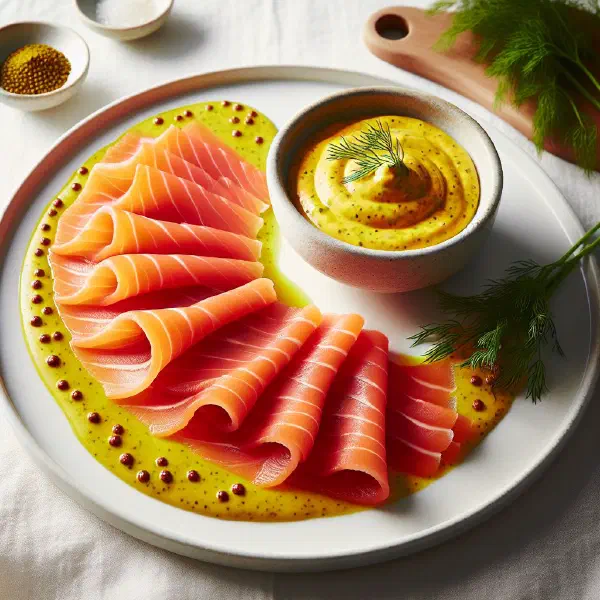
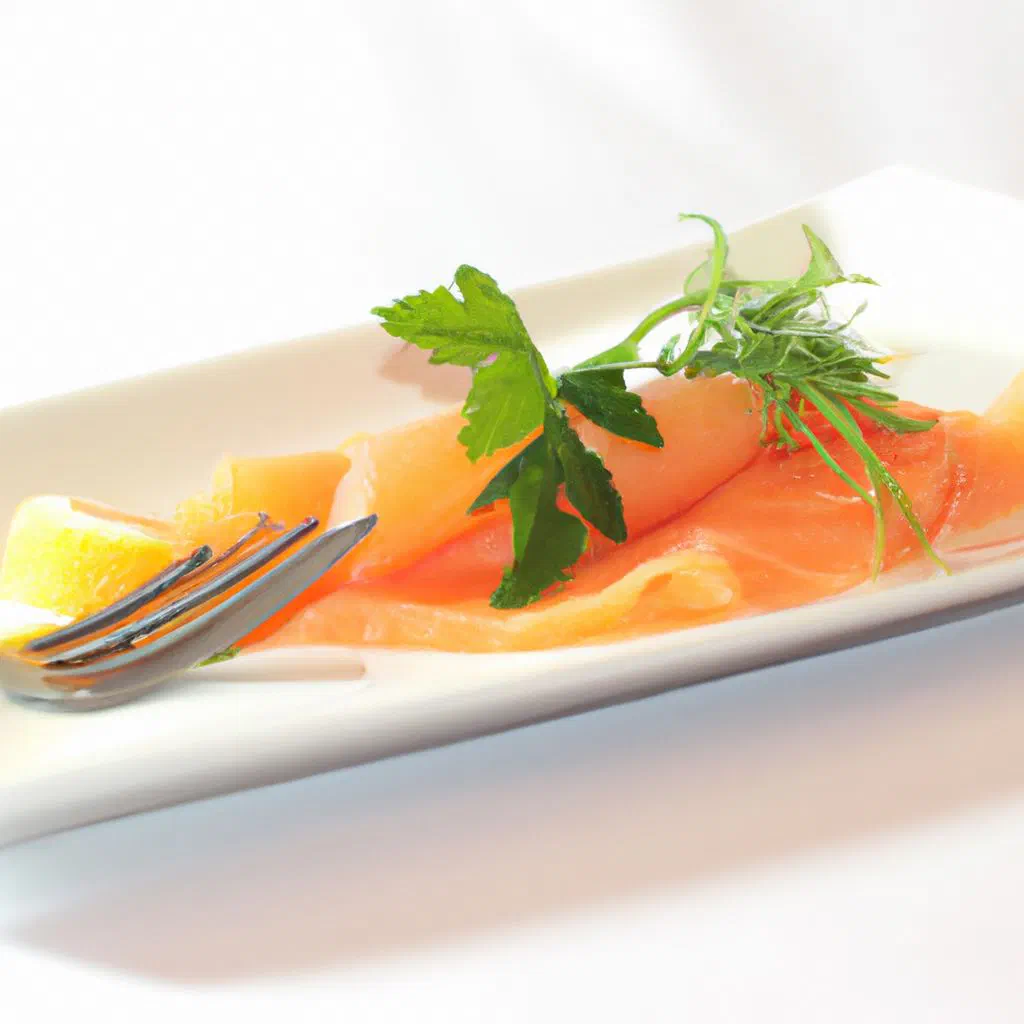
Serve the gravlax elegantly arranged on a platter, garnished with fresh sprigs of dill and slices of lemon. Dark bread or pumpernickel makes a superb accompaniment, its earthy notes complementing the delicate fish. A spoonful of Gravlax Sauce, the sweet-mustard hovmästarsås, is the traditional finishing touch, and gravlax is a mainstay of any festive Swedish spread.
A bit of history
The method of preserving fish by curing it in a salt-and-dill mixture reaches back hundreds of years. It was widespread across Scandinavia long before modern refrigeration existed, when fishermen would bury the salted salmon above the tideline to ferment. Today that humble preservation trick has become a beloved classic, gracing Swedish holiday tables and appearing on countless a smörgåsbord throughout the year.
More recipe ideas
Summary: Gravlax
Gravlax is a traditional Swedish dish that unites wonderful flavour with quiet elegance. With just a handful of ingredients and a little patience, you can recreate this national classic in your own kitchen. Gravlax brings a touch of Scandinavian grace to any table. Give it a try and let the fresh, dill-scented flavours of Sweden win you over.