National Dish Sweden: Saffron Buns (Recipe)
In this article
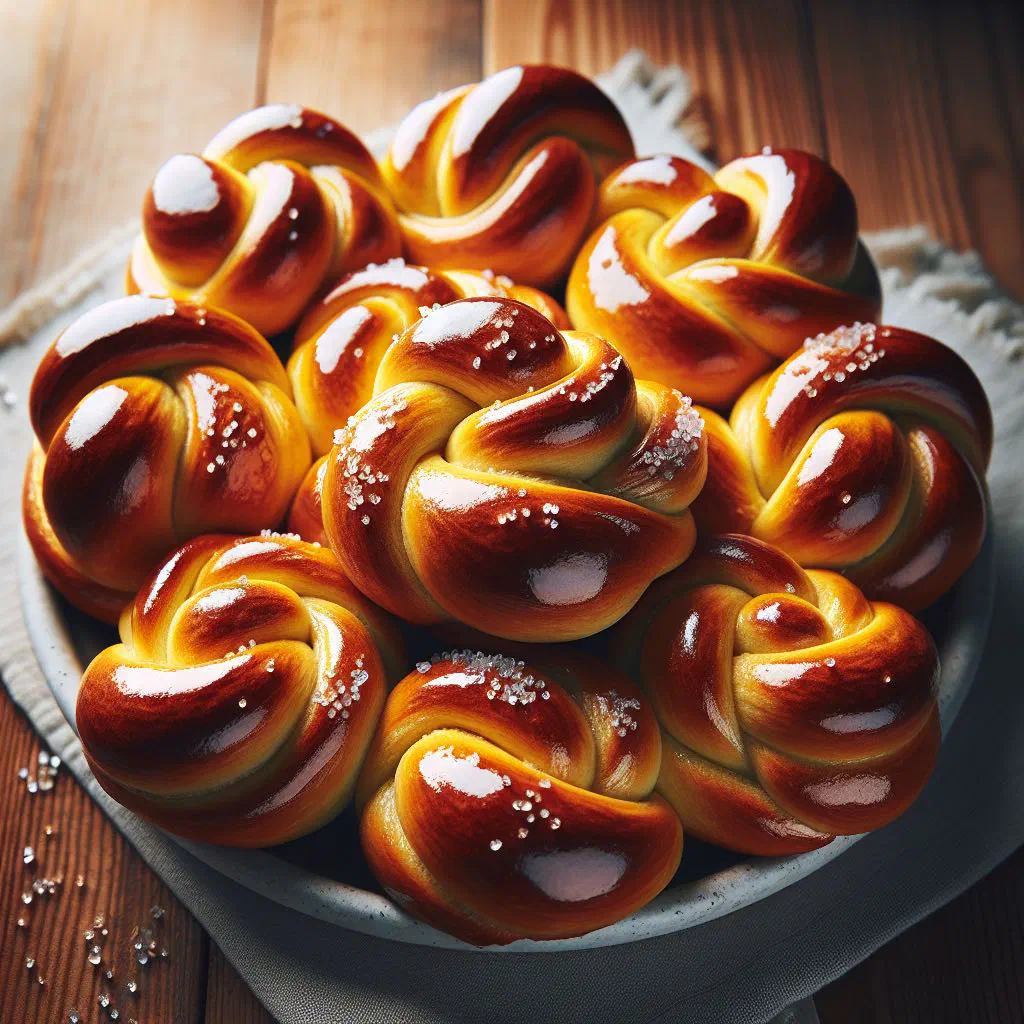
Discover Saffron Buns, the golden-hued treat that lights up the Swedish Advent season. With their glowing yellow crumb and the heady perfume of saffron rising from a soft, enriched dough, these little buns are the very taste of Nordic midwinter cosiness. They bring warmth and cheer to the darkest days of the year. Bake a batch and fill your kitchen with the spirit of a Swedish Christmas.
About Saffron Buns
Saffron Buns, known in Swedish as saffransbullar, are a much-loved bake prized for their luminous golden colour and their gentle, aromatic sweetness. At their heart lies a soft yeast dough infused with precious saffron, which lends both the striking hue and the unmistakable fragrance. Enjoyed above all during the Advent season, they are a cornerstone of Swedish festive tradition, bringing a sense of warmth and comfort to every winter celebration. Served with coffee, tea or as part of the Jul feast, these buns turn any gathering into something special.
Ingredients (serves 1–2)
- 250 g plain flour
- 75 g sugar
- 1/2 g saffron
- 1/2 cube fresh yeast
- 125 ml milk
- 50 g butter
- 1 pinch of salt
- 1 egg
Shopping for the ingredients
To make the best saffron buns, seek out fresh, good-quality ingredients. When buying saffron, look for genuine threads without any adulteration so you can be sure of that full, rounded flavour. Fresh yeast is essential for a good rise, so a well-stocked supermarket or a proper bakery is your best bet. The remaining ingredients, sugar, flour and milk, are everyday staples that most kitchens already hold and are easy to find anywhere.
Preparing the dish
Before you begin baking the saffron buns, measure out all your ingredients and have them ready to hand. Preheating the oven to 200 degrees Celsius ensures the buns bake evenly. The next step is to dissolve the saffron in the warm milk, which infuses the dough with its intense aroma. The butter should also be melted, so that everything blends together into a smooth, harmonious mixture.
Step-by-step instructions
- Dissolve the yeast in the lukewarm milk.
- Add the melted butter, sugar, salt and the dissolved saffron.
- Work in the flour a little at a time until you have a smooth, even dough.
- Leave the dough to prove in a warm place for at least 30 minutes.
- Once risen, knead the dough again and divide it into equal pieces.
- Shape the pieces as you like and leave them to prove a second time.
- Brush the buns with beaten egg and bake for 10–12 minutes.
Gluten-free / lactose-free version
Saffron buns can easily be made gluten-free or lactose-free by choosing the right swaps. Use gluten-free flour for the base and a plant-based milk such as almond or oat to create the lactose-free version. Take care to use gluten-free baking agents too, if the recipe calls for them. The result will be a touch different in texture, but every bit as delicious.
Tips for vegans and vegetarians
For a vegan version of saffron buns, replace the egg with soaked flaxseed or chia seeds whisked into water. Swap the butter for vegan margarine, and be sure to use a plant-based milk as well. Follow the same baking steps as before so you lose none of that wonderful flavour. With these alternatives you can enjoy an equally festive and delectable bake.
More tips and tricks
To achieve perfect saffron buns, it is important to knead the dough thoroughly so it reaches the right consistency. Proving the dough in a warm spot, or covering it with a cloth, helps encourage the yeast to do its work. Bake the buns in small batches to make sure they brown evenly. Finally, good storage after baking is key to keeping them fresh and soft.
Adapting the recipe to your taste
There are plenty of ways to tailor saffron buns to your own preferences. You might, for instance, fold in chopped almonds or raisins for a sweeter note. Playing with spices such as cinnamon or vanilla can also offer intriguing variations in flavour, the same warm notes that shine in Sweden’s beloved Kanelbullar. Feel free to experiment with the level of sweetness until you find the balance that suits you best.
Ingredient substitutions
If you have no fresh yeast to hand, dried yeast works just as well. Simply adjust the quantity as stated on the packet. In place of ordinary sugar, honey or maple syrup can lend the dough a different kind of sweetness. For a more aromatic touch, add a little orange zest or lemon zest. Small adjustments like these can give your bake an entirely new character.
Drink pairing ideas
Saffron buns go beautifully with a whole range of drinks. A classic coffee or tea is always welcome, but a traditional Swedish glögg (mulled, spiced wine) harmonises wonderfully with the buns’ aroma. For a non-alcoholic option, fruity teas or hot chocolate are lovely choices.
Serving and presentation ideas
The presentation of saffron buns can be every bit as festive as the flavour. Arrange the buns on a pretty platter dressed with Christmas decorations to create an inviting spread. A light dusting of icing sugar can lift the bake still further. Small decorative paper or silicone cases are another charming way to present the buns attractively.
A bit of history
Saffron buns have a long tradition in Sweden and are a central feature of Swedish Christmas celebrations. Originally, these delicious buns were meant to symbolise light and joy through the dark winter months. Saffron was reserved above all for festive occasions, as it was regarded as a precious and costly ingredient. Today, saffron buns are a firmly established part of Swedish culture and are baked in countless homes, taking their place at the table beside classics such as Julskinka as part of the wider tradition of Swedish cuisine.
More recipe ideas
Summary: Saffron Buns
Saffron buns are a delicious Swedish bake and a symbol of the festive spirit of the Advent season. With their unique saffron aroma and beautiful golden colour, they are the ideal companion for any celebration. These buns bring warmth and cosiness to the winter feast. Give this recipe a try and enrich your next festivities with these traditional treats.