National Dish Switzerland: Beef Roast (Recipe)
In this article
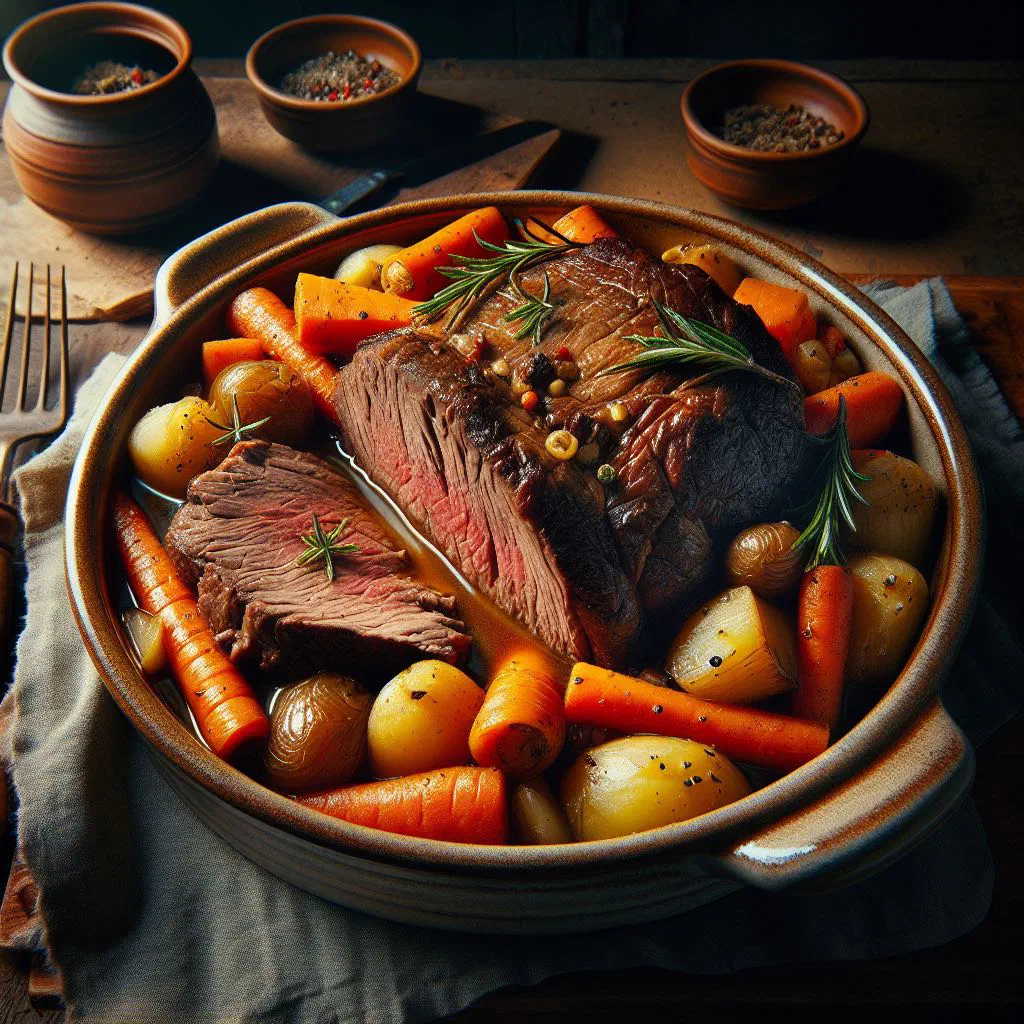
Meet beef roast, a comforting centrepiece of the Swiss table that turns a special occasion into a feast. Tender, well-marbled beef is browned and then gently braised until it all but melts, while a fragrant sauce of red wine, herbs and slow-cooked vegetables gathers around it. Traditionally served with crisp rösti or seasonal vegetables, it is the kind of generous, unhurried dish that draws family and friends around one table. Bring a little Swiss festive spirit into your own kitchen.
About Beef Roast
Beef roast is a classic of Swiss cuisine, admired as much for its flavour as for the care that goes into cooking it. It begins with tender, good-quality beef that stays wonderfully juicy thanks to a long, slow braise. An aromatic sauce built from fresh herbs, spices and softened vegetables rounds off the experience and lifts the dish to something worthy of a celebration. Whether for birthdays, holidays or other special gatherings, beef roast is always a highlight of the meal.
Ingredients (serves 1–2)
- 500 g beef (such as shoulder or neck)
- 2 onions
- 2 carrots
- 2 cloves of garlic
- 500 ml beef stock
- 1 tablespoon tomato purée
- 100 ml red wine
- 2 tablespoons oil, for browning
- Salt and pepper, to taste
- Fresh herbs (such as thyme and rosemary)
Shopping for the ingredients
For a successful beef roast, top-quality ingredients are everything. Visit a trusted butcher to pick up fresh beef, and look for meat that is nicely marbled, as this is what keeps it beautifully tender. The vegetables should be fresh and crisp too, so they bring the best possible flavour to the finished dish. A little care at the shops pays off handsomely at the table.
Preparing the dish
To make the beef roast as aromatic as possible, good preparation is essential. Start by cutting the beef into even pieces and seasoning it with salt and pepper. Chop the onions, carrots and garlic into small pieces so their flavours spread evenly through the dish. These simple steps help ensure the final result is harmonious and delicious, and they let you cook at a relaxed, steady pace.
Step-by-step instructions
- Heat the oil in a large pot and sear the beef hard on all sides.
- Remove the meat from the pot and sauté the onions, carrots and garlic in the remaining fat.
- Add the tomato purée and let it toast briefly to deepen the flavour.
- Pour in the red wine and let it reduce a little.
- Return the beef to the pot, add the beef stock and the herbs, then season to taste.
- Cover the pot and let everything braise over low heat for around 2–3 hours.
- Serve the beef roast with its sauce, alongside sides such as rösti or vegetables.
Gluten-free / lactose-free version
Prepared with the right ingredients, beef roast is naturally gluten-free and lactose-free. Just make sure the beef stock you use contains no gluten, and keep an eye on possible allergens when choosing your red wine and any other additions. With a few careful swaps, people with intolerances can enjoy this hearty dish every bit as much as everyone else at the table.
Tips for vegans and vegetarians
There are plenty of ways to capture the savoury character of beef roast in a plant-based version. Instead of beef, try seitan or slowly braised vegetables, or build a rich base from lentils and spices. Take care that the stock and seasonings you choose are vegan too, so the whole dish stays true to a meat-free diet without losing any of its warmth and depth.
More tips and tricks
To make your beef roast even more flavourful, experiment with different herbs and spices. Bay leaves, juniper berries or even a pinch of cinnamon can intensify the aroma beautifully. Let the dish rest for a little while after cooking so the flavours can fully develop. You can also blend the sauce before serving to give it a smooth, velvety consistency.
Adapting the recipe to your taste
The beauty of beef roast is how adaptable the recipe is. Depending on your taste, you can vary the amount of vegetables or try different cuts of meat. If you like things spicier, add a little chilli or extra pepper. The sauce, too, can be enriched with a spoon of mustard or a dash of Worcestershire sauce for added depth of flavour.
Ingredient substitutions
If you are missing an ingredient or two, there is almost always an alternative. In place of red wine you can simply use grape juice or a little extra stock. When fresh herbs are hard to come by, dried herbs work well too. Just use a smaller amount. The flavour will shift slightly, but the heart of the dish remains the same, much as it does in a slow-simmered Berner Platte.
Drink pairing ideas
A fine red wine pairs especially well with a good beef roast. A full-bodied Cabernet Sauvignon or a Chianti complements the flavours perfectly. For an alcohol-free option, a grape-juice-based drink or a fruity sparkling water works nicely. These choices sit in easy harmony with the hearty character of the dish and round out the meal.
Serving and presentation ideas
Thoughtful presentation can lift the whole beef roast experience. Serve the meat on a rustic wooden board and garnish it with fresh herbs for an inviting look. The sauce can be offered elegantly in a small jug, so each guest can help themselves to as much as they like. Arrange the sides colourfully to keep the plate lively and appetising, a bright pile of Älplermagronen makes a wonderful partner.
A bit of history
The roots of beef roast reach deep into Swiss tradition. Historically it was often prepared in rural regions, where it offered a nourishing, satisfying meal. Over the years the recipe has evolved and is now frequently served at festive occasions. It reflects the culinary tastes of the Swiss and their hospitality and love of traditional Swiss cuisine, from a warming Cheese Fondue to a hearty Bernese Rösti.
More recipe ideas
Summary: Beef Roast
Beef roast is more than a slice of Swiss tradition; it is a genuine treat for anyone who appreciates good food. Combining tender meat, fresh vegetables and a rich, rewarding sauce, it turns every bite into an occasion. With a little planning and the right ingredients, you can conjure up a hearty dish that is perfect for festive gatherings. Surprise your family and friends with this delicious recipe and let them savour the flavours of Swiss cuisine.