National Dish Switzerland: Nidelkuchen (Recipe)
In this article
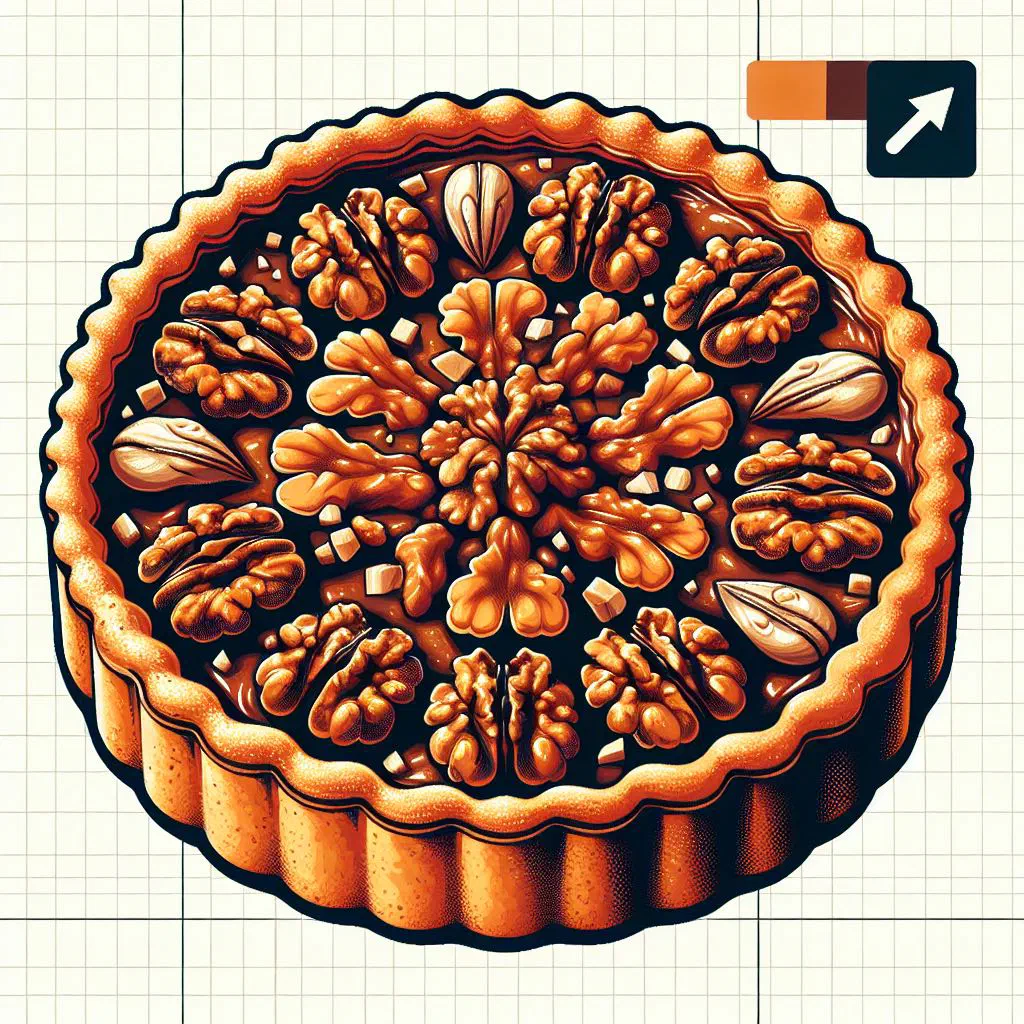
Meet Nidelkuchen, a beloved Swiss cream cake that turns a handful of everyday ingredients into something quietly special. A buttery shortcrust base cradles a silky filling of cream, sugar and egg that bakes to a golden, faintly caramelised finish. Born in the countryside around Bern, it has long graced festive tables and family gatherings across the country. Comforting yet elegant, it brings a genuine slice of Swiss tradition to your kitchen.
About Nidelkuchen
Nidelkuchen is a traditional Swiss dessert treasured far beyond festive occasions. Its charm lies in the contrast between a fine, crisp pastry crust and a rich filling made from cream, sugar and egg, Nidel being the Swiss-German word for cream. Originally from the region around Bern, the cake has earned a firm place at celebrations and feasts throughout Switzerland. Simple to make yet full of character, it is perfect for family gatherings and puts a piece of Swiss heritage on the table.
Ingredients (serves 1–2)
- 200 g flour
- 100 g butter
- 50 g sugar
- 1 egg
- 200 ml cream
- 1 pinch of salt
Shopping for the ingredients
The ingredients for Nidelkuchen are easy to come by, as they can be found in most supermarkets or at local markets. Aim for fresh and, where possible, high-quality ingredients, especially the cream and butter, since these are the heart of the filling. If you can support local producers, you are on the safe side. Doing so guarantees a better flavour and a more sustainable choice.
Preparing the dish
Before you begin making the Nidelkuchen, gather and weigh out all of your ingredients. Prepare a cake tin by greasing it and dusting it with flour to stop the cake from sticking. Make sure to preheat the oven as well, so that you get even results throughout the baking time. A well-organised kitchen is the key to a successful bake.
Step-by-step instructions
- Mix the flour, sugar and salt together in a bowl.
- Cut the cold butter into pieces and add it to the flour mixture.
- Add the egg and knead everything into a smooth dough.
- Wrap the dough in cling film and chill for at least 30 minutes.
- Preheat the oven to 180 °C.
- Roll out the chilled dough on a floured surface and lay it into the prepared tin.
- Whisk the cream with sugar and a further egg, then pour it over the pastry.
- Bake the cake for about 30 minutes, until the surface is golden brown.
- Leave the cake to cool after baking, then serve.
Gluten-free / lactose-free version
There are plenty of ways to adapt Nidelkuchen for people with a gluten or lactose intolerance. Use gluten-free flour, for example, which works perfectly for the pastry. For the filling you can turn to plant-based cream made from almonds or coconut. These small adjustments let you enjoy this traditional dish without giving up any of the pleasure.
Tips for vegans and vegetarians
Vegans can make Nidelkuchen by replacing the egg with apple purée or chia seeds, both of which act as a binder. Instead of ordinary cream, reach for soya cream or oat cream to mimic the creamy filling. Vegan butter alternatives are also widely available and lend themselves beautifully to the pastry. With these swaps you still capture the full flavour of the cake.
More tips and tricks
To refine your Nidelkuchen even further, add a little vanilla or lemon zest to the filling. These aromas bring an extra hit of freshness to the cake. Take care not to leave it in the oven too long, so it stays lovely and moist. Another technique is to blind-bake the pastry first, which ensures a silky texture.
Adapting the recipe to your taste
The filling of the Nidelkuchen lends itself to all sorts of variations. You could add nuts or dried fruit, for instance, to give the flavour a personal touch. Experiment with different types of sugar too, so you can tune the sweetness exactly to your liking. Tweaks like these make the cake all the more remarkable and unique.
Ingredient substitutions
If you do not have a particular ingredient to hand, there are plenty of alternatives. Honey can be used in place of sugar, for example, to achieve a more natural sweetness. If you cannot get hold of fresh cream, yoghurt will give a different consistency, the same easy swap that works in a Quark Cake. These options help you adapt the Nidelkuchen to what is available and to your own preferences.
Drink pairing ideas
A slice of Nidelkuchen pairs wonderfully with a range of drinks. A black coffee or a cup of tea suits this sweet treat perfectly and complements its flavours beautifully. A Swiss white wine or a light rosé could also make an interesting companion. Choose a drink that keeps your taste buds tingling and rounds off the experience.
Serving and presentation ideas
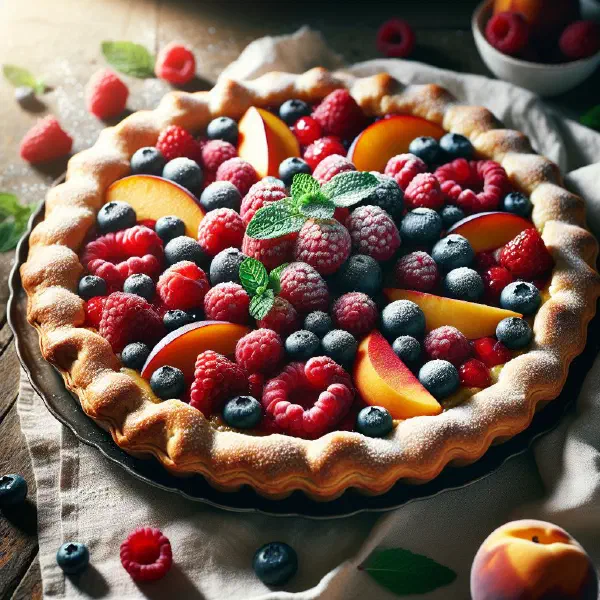
To present the Nidelkuchen attractively, arrange it on a festive cake stand. Give the dish an extra touch by dusting it with icing sugar or scattering fresh berries and mint around it for decoration. These little details lift the look and make it an ideal dessert for celebrations, much like a classic Cream Slice. Use creative ideas to set the cake off to perfection.
A bit of history
Nidelkuchen has its origins in the Swiss Mittelland and has for centuries been associated with the region around Bern in particular. It was originally served at festivities and weddings, and has since become a popular dessert in many regions. While the recipes and preparation methods have varied over time, the affection for this cake remains unbroken. Today the Nidelkuchen represents a piece of Swiss cultural history and a proud part of the country’s Swiss cuisine.
More recipe ideas
Summary: Nidelkuchen
The Nidelkuchen is an exquisite pleasure and a captivating link to Swiss cuisine. With its straightforward preparation and the freedom to adapt it to taste, it is a superb addition to any festive table. Whether interpreted in the traditional way or with a modern twist, this dessert remains a jewel of Switzerland’s culinary landscape. We hope this recipe inspires you to give it a try yourself.