National Dish Switzerland: Pear Bread (Recipe)
In this article
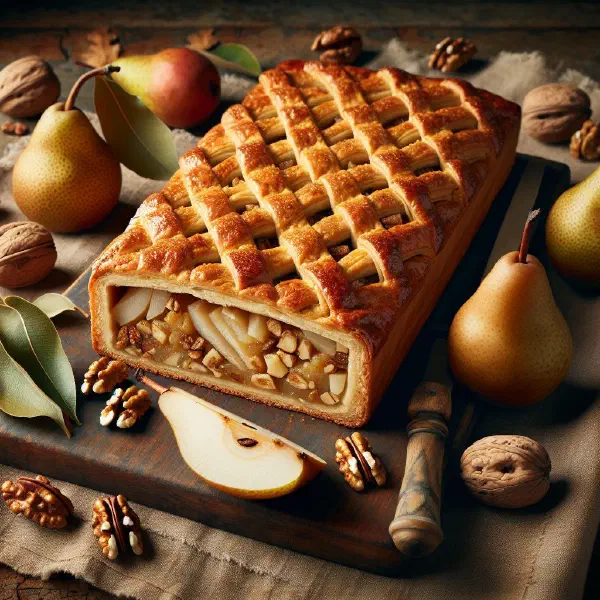
Discover pear bread (Birnbrot), one of Switzerland’s most cherished cold-weather bakes. This moist loaf brings together the deep sweetness of dried pears and a warming blend of spices for a treat that feels like a hug on a frosty day. Steeped in tradition and passed down through generations, it is as welcome alongside a festive spread as it is with an afternoon coffee. Bring a taste of the Swiss mountains straight to your own kitchen.
About Pear Bread
Pear bread is a traditional Swiss bake that comes into its own during the colder months. It marries the mellow flavour of dried pears with an array of aromatic spices, and its wonderfully moist crumb offers real warmth and comfort. This much-loved loaf tells stories from the past and remains a firm fixture of Swiss baking culture.
Ingredients (serves 1–2)
- 200 g dried pears
- 150 g plain flour
- 100 g sugar
- 50 g butter
- 2 eggs
- 1 teaspoon cinnamon
- 1 teaspoon bicarbonate of soda
- A pinch of salt
Shopping for the ingredients
To make the perfect pear bread, choosing the right ingredients is key. Visit your local supermarket or a greengrocer to find fresh, good-quality dried pears. Look for unsweetened ones so the natural flavour of the fruit shines through. The remaining ingredients are usually easy to find in any supermarket, and reaching for organic produce can lift the flavour of the finished loaf even further.
Preparing the dish
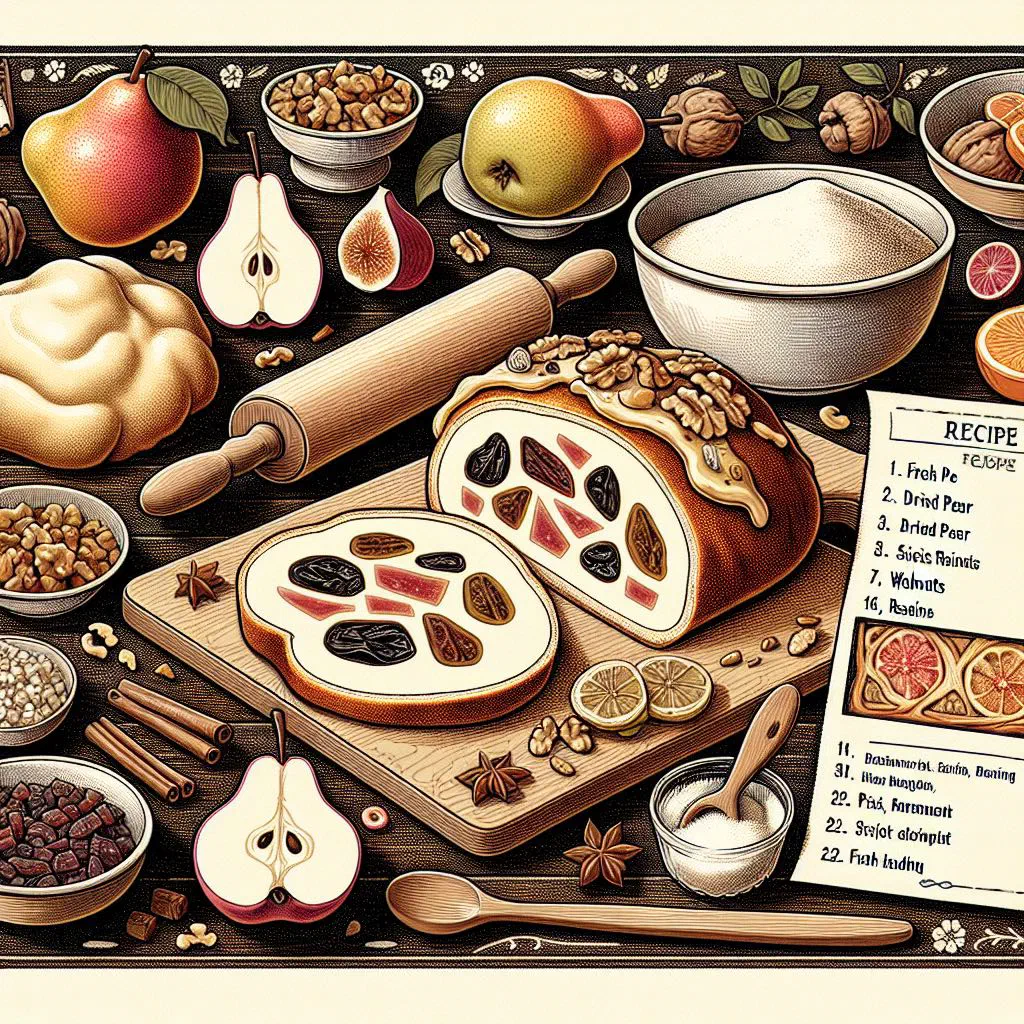
The first step in making pear bread is to soak the dried pears in hot water. This restores the moisture they need and makes them lovely and juicy. While the pears soak, you can measure out the rest of the ingredients such as flour, sugar and spices. Make sure your kitchen kit, a mixing bowl and a loaf tin, is ready to go, so the whole process runs as smoothly as possible.
Step-by-step instructions
- Soak the dried pears in hot water and leave them to stand for about 30 minutes.
- Drain the soaked pears and chop them finely.
- In a bowl, cream the butter with the sugar until pale and fluffy.
- Beat in the eggs one at a time, mixing well after each addition.
- Add the flour, cinnamon and bicarbonate of soda, and stir until well combined.
- Fold the chopped pears through the batter.
- Spoon the batter into a greased loaf tin and bake in a preheated oven at 180°C for about 50–60 minutes.
- Remove the pear bread from the oven and leave it to cool on a wire rack.
Gluten-free / lactose-free version
Making pear bread without gluten is simple: just swap the plain flour for a gluten-free flour blend. Many people have intolerances, so it pays to be careful when adapting the recipe. For a lactose-free version, use plant-based margarine or lactose-free butter to achieve the same rich, creamy taste. Plant-based milk alternatives also work well wherever a little liquid is needed.
Tips for vegans and vegetarians
Vegans can easily adapt pear bread by replacing the eggs with plant-based alternatives. A popular option is a mix of flaxseed or chia seeds with water, which provides the binding you need. Sweetening with agave syrup or maple syrup is another possibility if you want to cut back on refined sugar. These tweaks keep the bake every bit as delicious and produce a wholesome treat that everyone can enjoy.
More tips and tricks
Take care to stick to the exact baking times and temperatures for the best possible result. Always use fresh ingredients, particularly the dried pears, as they have a significant impact on the flavour of your pear bread. You can also add a pinch of nutmeg to broaden the spice profile and give the taste a special note. Experiment with different tins too, square, round or even a muffin tray, to achieve a variety of textures.
Adapting the recipe to your taste
Pear bread is highly adaptable and easy to tune to personal preference. You can add other dried fruits, such as apricots or apples, to create different flavour combinations. Chocolate chips or nuts can also be stirred into the batter for a little extra crunch. Remember that small changes often make a big difference to the finished loaf, so do not be afraid to get creative.
Ingredient substitutions
If you do not have some of the classic pear bread ingredients to hand, there are wonderful alternatives. In place of sugar, for example, you could use honey or stevia to reduce the sugar content. For a different depth of flavour, wholemeal flour works well and lends the bake extra nutrients, much like the hearty crumb of a good Walnut Bread.
Drink pairing ideas
To round off your pear bread beautifully, think carefully about which drinks to serve. A fruity herbal tea or a good cup of coffee harmonises wonderfully with the sweet flavour of the loaf. If you prefer something with a little fizz, an apple juice spritz is a lovely choice too. These drinks bring out the aromas of the bake all the more and make every bite memorable.
Serving and presentation ideas
The way you present your pear bread can enhance the whole eating experience. Use an attractive wooden board or an elegant cake stand to show the loaf off at its best. Garnish it with fresh pears or a dusting of icing sugar to make it visually appealing. A dollop of whipped cream or a fruity jam on the side makes a lovely extra and rounds out the flavour perfectly.
A bit of history
The roots of pear bread reach deep into the Swiss baking tradition. Originally conceived as a way to preserve dried fruit, the recipe was handed down and refined over generations. In many regions of Switzerland it is traditionally served at special occasions and celebrations, the Engadine Pear Bread being one especially famous variation. The combination of fruity and spiced aromas makes it a real treat and reflects the warm welcome that Swiss cuisine is known for.
More recipe ideas
Summary: Pear Bread
In summary, pear bread is an unmistakable part of the Swiss baking tradition. With its unique blend of dried pears and aromatic spices, it offers a flavour experience that can be enjoyed both warm and cold. Whether for festive occasions or simply a coffee break, pear bread has a way of bringing people together and stirring nostalgic memories. Give this recipe a try and experience the heartfelt flavours of Switzerland for yourself.