National Dish Switzerland: Plum Tart (Recipe)
In this article
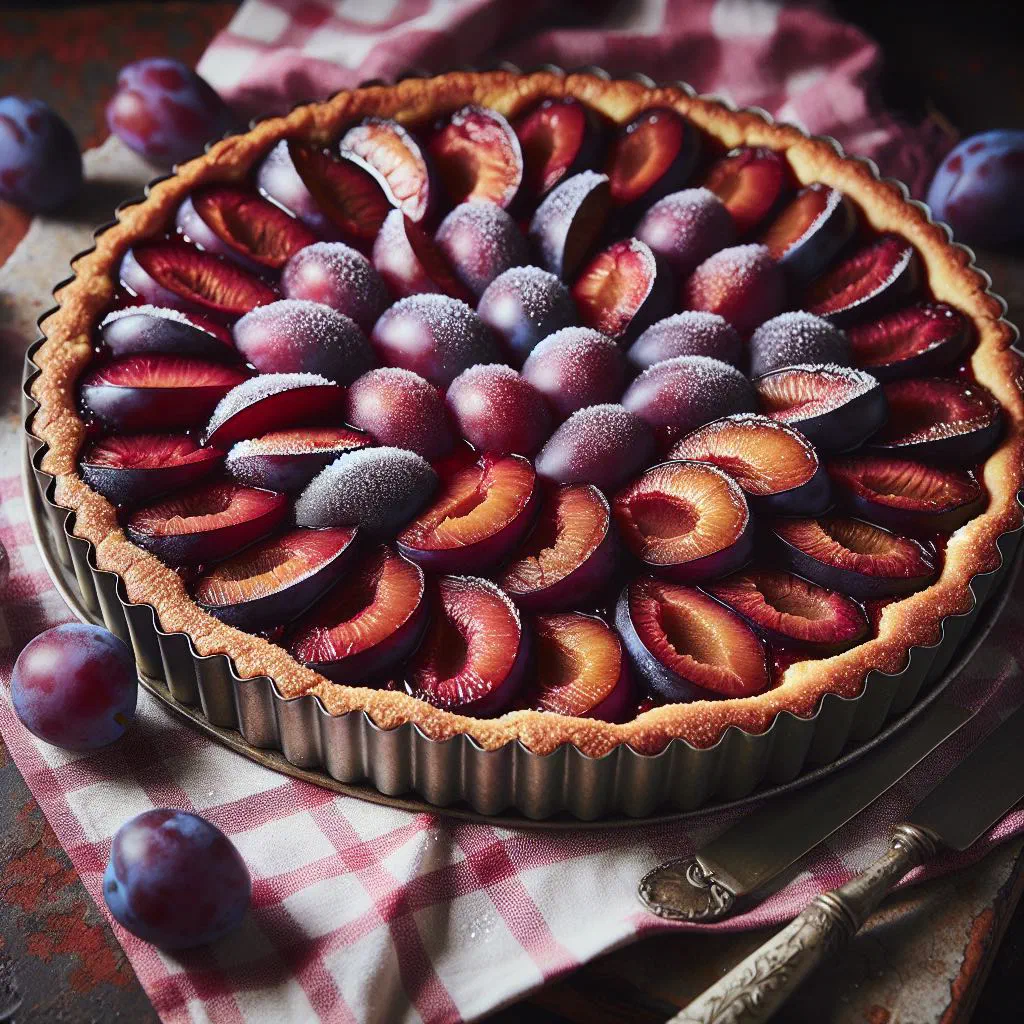
Discover Plum Tart, a much-loved treat from the Swiss baking tradition. This classic Zwetschgenwähe sets juicy plums in a tender shortcrust base, all bound together with a gentle vanilla custard. It is the sort of bake that turns an ordinary afternoon coffee into something special, and it looks just as at home on a festive table. Simple, seasonal and utterly satisfying, it captures the cosy charm of a Swiss farmhouse kitchen.
About Plum Tart
Plum Tart is a traditional Swiss dish enjoyed in countless households across the country. A tender shortcrust pastry base and generous, juicy plums make this dessert the highlight of any coffee table. A smooth vanilla custard poured over the fruit brings a harmonious sweetness that rounds off the flavour perfectly. Whether for a relaxed afternoon or a festive occasion, this plum tart is always a pleasure, a lovely example of the honest, seasonal baking that Switzerland does so well.
Ingredients (serves 1–2)
- 200 g shortcrust pastry
- 400 g plums
- 100 ml cream
- 2 eggs
- 50 g sugar
- 1 sachet vanilla sugar
- A pinch of salt
Shopping for the ingredients
Before you start making the plum tart, it is worth gathering all the ingredients you need in advance. Choose fresh, ripe plums to guarantee the best possible flavour. The shortcrust pastry can either be bought ready-made or prepared from scratch at home. If you plan to make the custard yourself, reach for good-quality cream and fresh eggs for an ideal result.
Preparing the dish
Once all the ingredients are laid out, begin by rolling out the shortcrust pastry and pressing it into a greased pie or tart tin. Press the dough in firmly and prick it a few times with a fork so it bakes evenly. The plums should be washed, stoned and quartered, leaving them ready for the filling that comes into its own once baked.
Step-by-step instructions
- Spread the shortcrust pastry evenly across the prepared tin and press the edges up slightly.
- Preheat the oven to 180 degrees Celsius.
- Arrange the plums evenly over the pastry base.
- In a bowl, whisk together the cream, eggs, sugar, vanilla sugar and salt until well combined.
- Pour this mixture over the plums.
- Bake the plum tart for around 40 minutes, until the surface is golden brown.
- Remove from the oven and let it cool a little before serving.
Gluten-free / lactose-free version
For a gluten-free version of the plum tart, use a blend of gluten-free flours specifically suited to baking. Take care to swap the cream for a lactose-free alternative as well. Many shops now stock excellent options that do not compromise on taste. These small adjustments make the plum tart something many more people can enjoy, just as fruit-filled as the classic Fruit Tart.
Tips for vegans and vegetarians
If you would like to make the plum tart vegan, you can replace the eggs with a mixture of ground flaxseed and water, or with apple sauce. Instead of cream, plant-based alternatives such as soya or coconut cream work beautifully. Do not forget to make sure the shortcrust pastry is prepared without any animal products either. With these adjustments, the delicious flavour of the tart still shines through.
More tips and tricks
To get the best result when baking the plum tart, take care not to overwork the pastry so it stays tender. You can also adjust the amount of sugar to suit your personal taste. Another good tip is to lift the tart with a little cinnamon or nutmeg for an extra note of warmth.
Adapting the recipe to your taste
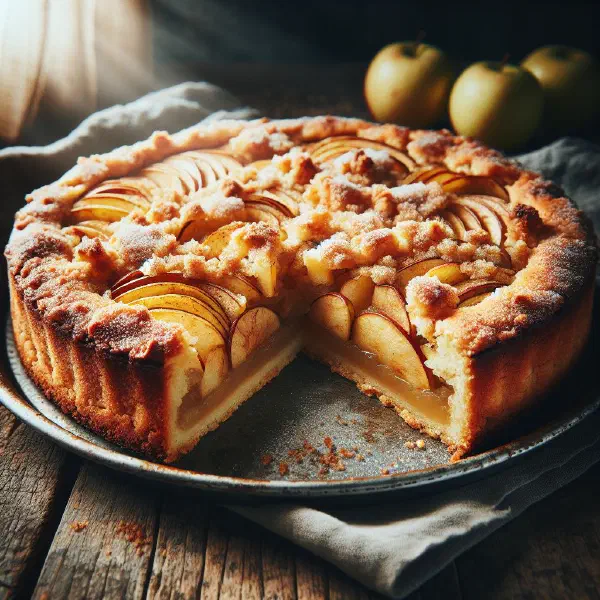
The plum tart can easily be adapted to personal preference. Experiment with different fruits, such as apples or pears, to discover new and surprising flavours. For a crunchier version, scatter nuts or almonds into the filling. Let your imagination run free and shape the recipe exactly as you like it.
Ingredient substitutions
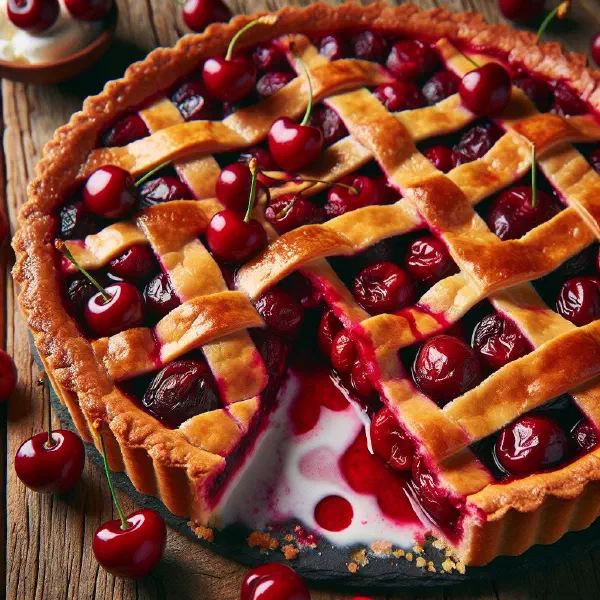
If you do not have plums to hand, other fruits such as cherries or peaches also pair well with the vanilla custard, the same idea behind a Cherry Tart. For the shortcrust pastry, oat flour is a good option if you want to keep things gluten-free. And if you cannot get fresh cream, yoghurt can be used to give the custard a slightly different texture. Look for ways to swap the ingredients and uncover new flavours.
Drink pairing ideas
The plum tart goes best with a freshly brewed coffee or an aromatic tea. For a more festive alternative, a dry sparkling wine or a fruity white wine works just as well. If you prefer something refreshing, try water infused with citrus or herbs.
Serving and presentation ideas
An attractive presentation can turn the plum tart into a truly spectacular dessert. Serve the tart warm and garnish it with a dollop of whipped cream or a scoop of vanilla ice cream. A few leaves of fresh mint highlight the colours and lend the dish a touch of freshness. Use a lovely plate or serving dish to show the creation off to its best advantage.
A bit of history
The plum tart is one of Switzerland’s traditional dishes, with roots in the country’s rural kitchen. In many regions it is served at special occasions, particularly at plum-harvest time. Its popularity owes as much to the use of regional produce as to its delicious flavour. This tradition, cherished throughout Switzerland, shows how many cultures celebrate simple yet flavoursome baking, a hallmark of Swiss cuisine.
More recipe ideas
Summary: Plum Tart
The Plum Tart is a wonderful example of Swiss cuisine, winning hearts with simple, homegrown ingredients. The combination of tender shortcrust pastry, juicy plums and warm vanilla custard makes this dish an absolute highlight. Whether at a baking gathering or as a dessert, the plum tart leaves a lasting impression. Give it a try and discover the delicious baking tradition of Switzerland.