National Dish Switzerland: Polenta (Recipe)
In this article
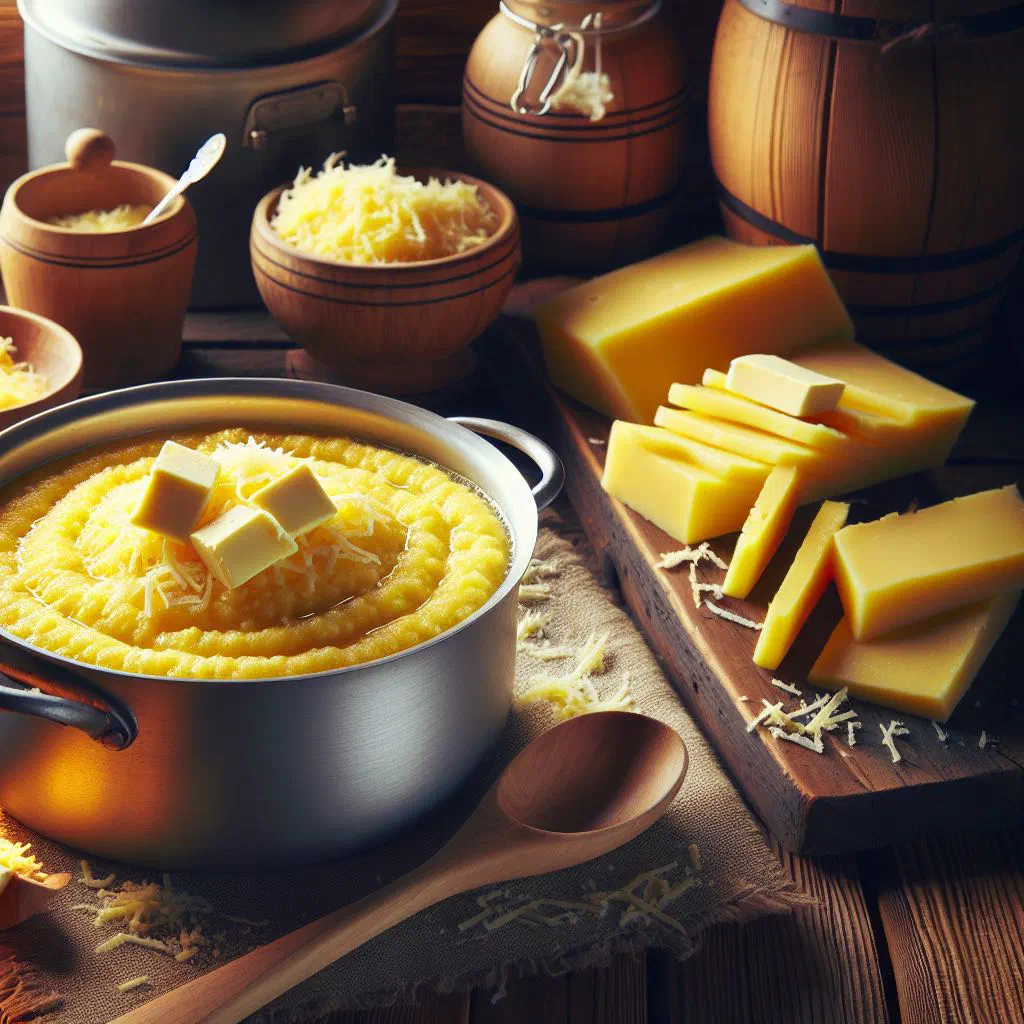
Discover Polenta, a golden, comforting cornmeal dish that has become a cornerstone of Alpine Swiss cooking. Slowly simmered until wonderfully creamy, it pairs beautifully with hearty meat, roasted vegetables or a good melting cheese, yet it is every bit as satisfying on its own, finished with a scattering of fresh herbs. Simple, nourishing and endlessly adaptable, it brings a taste of Swiss tradition straight to your table.
About Polenta
Polenta is a traditional dish made from cornmeal, with maize playing a central role in the cuisine of southern Switzerland. Its creamy texture, achieved by cooking the meal slowly in water or stock, makes it a perfect accompaniment to all manner of dishes. It is especially popular alongside savoury meat dishes or a rich, melting cheese. That said, dressed up with a handful of fresh herbs, polenta also holds its own as a dish in its own right, winning over even the most discerning of palates.
Ingredients (serves 1–2)
- 200 g cornmeal
- 800 ml water or stock
- 1 tsp salt
- 2 tbsp butter or olive oil
- Fresh herbs of your choice (e.g. thyme or rosemary)
Shopping for the ingredients
To make polenta you need only a handful of ingredients, but their quality really matters. You will find cornmeal in any well-stocked supermarket or delicatessen. Look for meal that is fresh and of good quality, as this is decisive for the flavour of the finished dish. Don’t forget the stock or water, using a good stock lends the polenta an even deeper, more rounded note.
Preparing the dish
Before you start cooking, make sure you have all your ingredients to hand. Measuring out the cornmeal and having your water or stock ready is the first step towards a smooth, evenly cooked polenta. Fresh herbs should be washed and finely chopped so they release their full aroma into the dish. These small preparations are key to creating a flavourful and satisfying result.
Step-by-step instructions
- Bring the water or stock to the boil in a large pan.
- Add the salt to season the liquid.
- Reduce the heat to medium and pour in the cornmeal slowly, whisking constantly to avoid lumps.
- Cook the polenta for around 30–40 minutes, stirring regularly, until it reaches a creamy consistency.
- Stir in the butter or olive oil and mix everything through thoroughly.
- Fold in the fresh herbs and let the polenta rest for a few minutes so the flavours can develop.
Gluten-free / lactose-free version
One of the great advantages of polenta is that it is naturally gluten-free, which makes it ideal for anyone with a gluten intolerance. Simply make sure you avoid wheat flour or any other gluten-containing ingredients to keep the dish suitable. It is just as easy to make it lactose-free: use a plant-based fat such as olive oil in place of butter. That way everyone can enjoy this delicious side.
Tips for vegans and vegetarians
Polenta is an excellent choice for vegans, as it can be prepared entirely without animal products. Simply use a plant-based stock and skip the butter to create a fully vegan version. You can then pair the polenta with aromatic grilled vegetables or a tasty vegan cheese for varied, flavour-packed meals. Wrap it around vegetables or serve it as a side to a colourful salad, much like the vegetables that shine in Grilled Ribelmais Corn.
More tips and tricks
The most important tip for cooking polenta is to give it your constant attention. Stir regularly to prevent lumps forming and to achieve a smooth, even consistency. If the polenta becomes too thick, you can add a little extra stock or water at any point. Should it seem too thin, simply cook it for a few minutes longer. Follow this and a perfect polenta is all but guaranteed.
Adapting the recipe to your taste
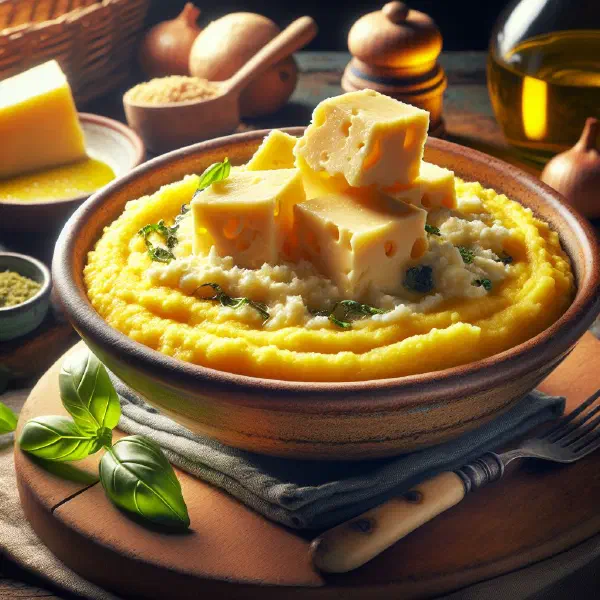
Polenta is extremely versatile and leaves plenty of room for countless variations. You can fold in all sorts of ingredients to give the dish your own personal touch. Experiment with different cheeses, in the spirit of a Ticino Polenta with Gorgonzola, or add diced vegetables to build up extra layers of flavour. The choice of herbs, too, can be tailored to your preferences, so that every mouthful is unique.
Ingredient substitutions
If you cannot find cornmeal, there are alternatives such as polenta flour or coarse maize semolina, which give similar results. The water can also be swapped for vegetable stock to make the dish more interesting in flavour. And if you want to make your polenta even tastier, try cooking it with garlic or onions, a lovely way to develop an even richer flavour base.
Drink pairing ideas
The right choice of drink can lift the whole experience considerably. For a touch of traditional Swiss flair, a fine red wine or a crisp cider pairs wonderfully with polenta dishes. But alcohol-free alternatives, such as a refreshing raspberry lemonade, can also bring out the flavours of the polenta beautifully. Try a few combinations and see which appeals to you most.
Serving and presentation ideas
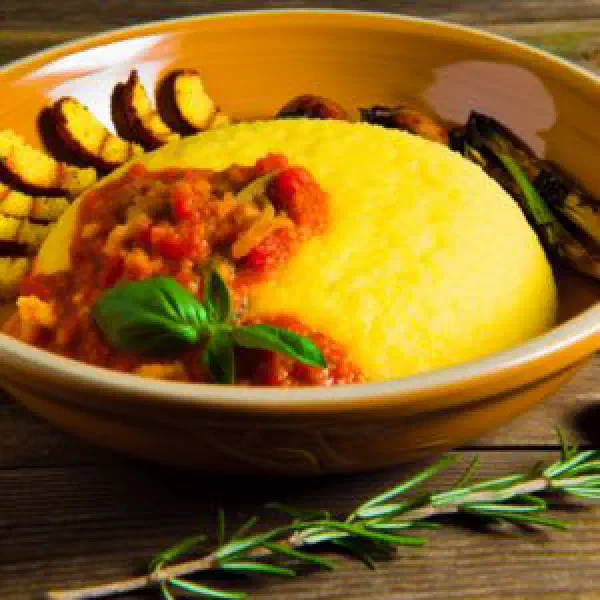
Thoughtful presentation can improve your polenta from everyday side to something special. Serve it in an attractive bowl and garnish with fresh herbs or a drizzle of olive oil. Any accompaniments can be arranged creatively, too, to make the dish look appealing and inviting. Use colourful vegetables or bold pieces of cheese to create a visually striking contrast on the plate.
A bit of history
The story of polenta reaches back to antiquity, with its roots in both Italian and Swiss cooking. In earlier times it was made chiefly from a range of grains, with maize added only later on. Polenta established itself as a nourishing yet light dish, enjoyed as both a humble side and a main course. This tradition endures to this day and is reflected in the enduring popularity and variety of the dish across Swiss cuisine.
More recipe ideas
Summary: Polenta
Polenta is a thoroughly versatile and flavourful dish that can be brought to the table in all manner of variations. It is quick and easy to prepare, which makes it an ideal choice for any cook. Polenta brings a touch of Swiss tradition into your kitchen. Let it inspire you, and savour the wonderful flavours of this special dish.