National Dish Switzerland: Polenta Ticinese (Recipe)
In this article
Discover Polenta Ticinese, a comforting classic from the sun-drenched valleys of Ticino, one of the most beautiful corners of Switzerland. This dish marries wonderfully creamy cornmeal with a rich medley of mushrooms, onions and cheese, bringing the warmth of the Alps straight to your table. Simple, hearty and endlessly adaptable, it is the perfect centrepiece for a cosy evening with friends and family.
About Polenta Ticinese
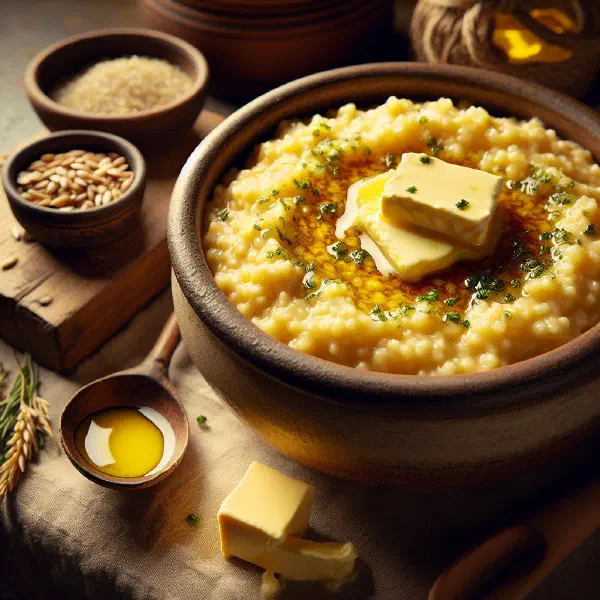
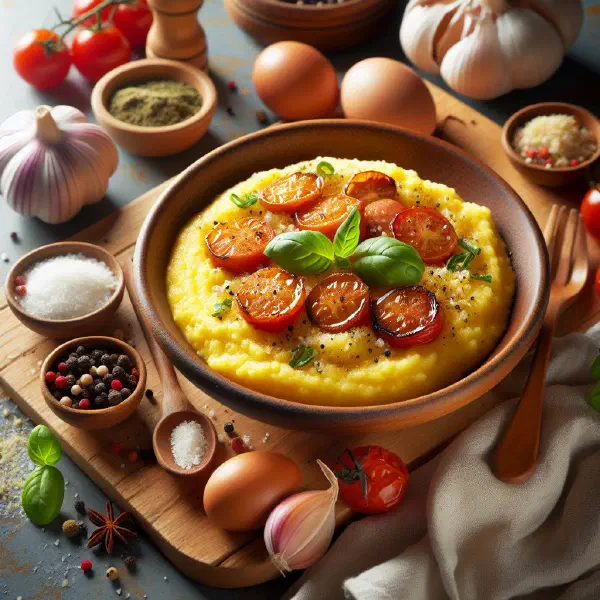
Polenta Ticinese is a traditional dish from the picturesque canton of Ticino, a region where Swiss and Italian culinary traditions meet. Over the years it has become a favourite among food lovers, thanks to its very good combination of creamy polenta and a wealth of aromatic ingredients. The result is a deeply satisfying meal that is as suited to a relaxed family supper as it is to a gathering of friends. It captures the warmth of the Alps in every spoonful and slots easily into everyday cooking.
Ingredients (serves 1–2)
- 200 g polenta
- 800 ml water or vegetable stock
- 50 g grated Parmesan, or a plant-based cheese alternative
- 200 g mushrooms (such as button mushrooms or porcini)
- 1 onion
- Olive oil, to taste
- Salt and pepper
Shopping for the ingredients
When shopping for the ingredients for Polenta Ticinese, it is worth paying attention to quality. Choose fresh mushrooms and a good Parmesan to bring out the best flavour, and pick a good-quality polenta too, since this contributes so much to the finished texture. Ideally, visit an organic shop or a farmers’ market to find the freshest produce, much as you would when preparing a fragrant Tessiner Minestrone.
Preparing the dish
Preparing Polenta Ticinese takes only a few simple steps that slip easily into your kitchen routine. Begin by slicing the onion and mushrooms so they are ready to go once the polenta is cooking. Use a sharp knife to cut the onion into fine dice and the mushrooms into slices. This ensures they cook evenly and release their aromas to the full.
Step-by-step instructions
- Bring the water or vegetable stock to the boil in a large pan.
- Add the polenta slowly, stirring constantly to avoid lumps.
- Reduce the heat and let the polenta simmer for around 30 minutes, until it is thick and creamy.
- In a frying pan, heat a little olive oil and sauté the onions until golden brown.
- Add the mushrooms and fry until soft.
- Stir the onion and mushroom mixture into the polenta, then fold in the Parmesan.
- Serve the polenta hot, garnished with fresh herbs to taste.
Gluten-free / lactose-free version
Polenta Ticinese is naturally gluten-free, since polenta is made from cornmeal, which makes it ideal for anyone with a gluten intolerance or coeliac disease. For a lactose-free version, use a plant-based cheese alternative or simply a splash of nut-free cream to keep everything wonderfully creamy. Just take care that all your ingredients are certified gluten-free to avoid any cross-contamination.
Tips for vegans and vegetarians
For vegans, Polenta Ticinese is easily adapted by swapping the cheese for a plant-based alternative or a sprinkling of nutritional yeast to add a cheesy note. A generous range of vegetables and spices can enrich the flavour further, and fresh herbs such as basil or parsley will lift the whole dish. Vegetarians can keep to the original recipe and reach for a high-quality Parmesan to preserve its authentic character.
More tips and tricks
A few simple tricks make cooking Polenta Ticinese even easier. Stir constantly while it cooks to keep the texture smooth and lump-free, and adjust the consistency by adding a little more or less liquid to suit your taste. For a deeper flavour, enrich the stock with herbs and spices before you begin. Any leftovers keep well in the fridge if tightly covered and can be reheated quickly the next day.
Adapting the recipe to your taste
Polenta Ticinese is wonderfully versatile and easy to tailor to your own preferences. If you have no mushrooms to hand, try spinach, peppers or courgette, all of which pair beautifully with polenta. For a gentle kick, add a pinch of chilli flakes or a good grind of pepper. Instead of Parmesan, blend cashews with yeast flakes for a nutty, savoury topping.
Ingredient substitutions
If certain ingredients are missing, there are plenty of creative alternatives. Spinach, peppers or courgette can all step in for the mushrooms, while a nutty mix of cashews and yeast flakes makes a fine stand-in for Parmesan. These kinds of swaps let you adapt the recipe to what is in season or simply to your own taste, much as you might vary a comforting bowl of Polenta.
Drink pairing ideas
To round off the experience of Polenta Ticinese, reach for a crisp white wine or a red wine from the Ticino region, both of which complement the dish’s savoury notes beautifully. For an alcohol-free option, a fruity sparkling water with a squeeze of lemon works well, while a home-made iced tea makes a refreshing companion that completes the meal.
Serving and presentation ideas
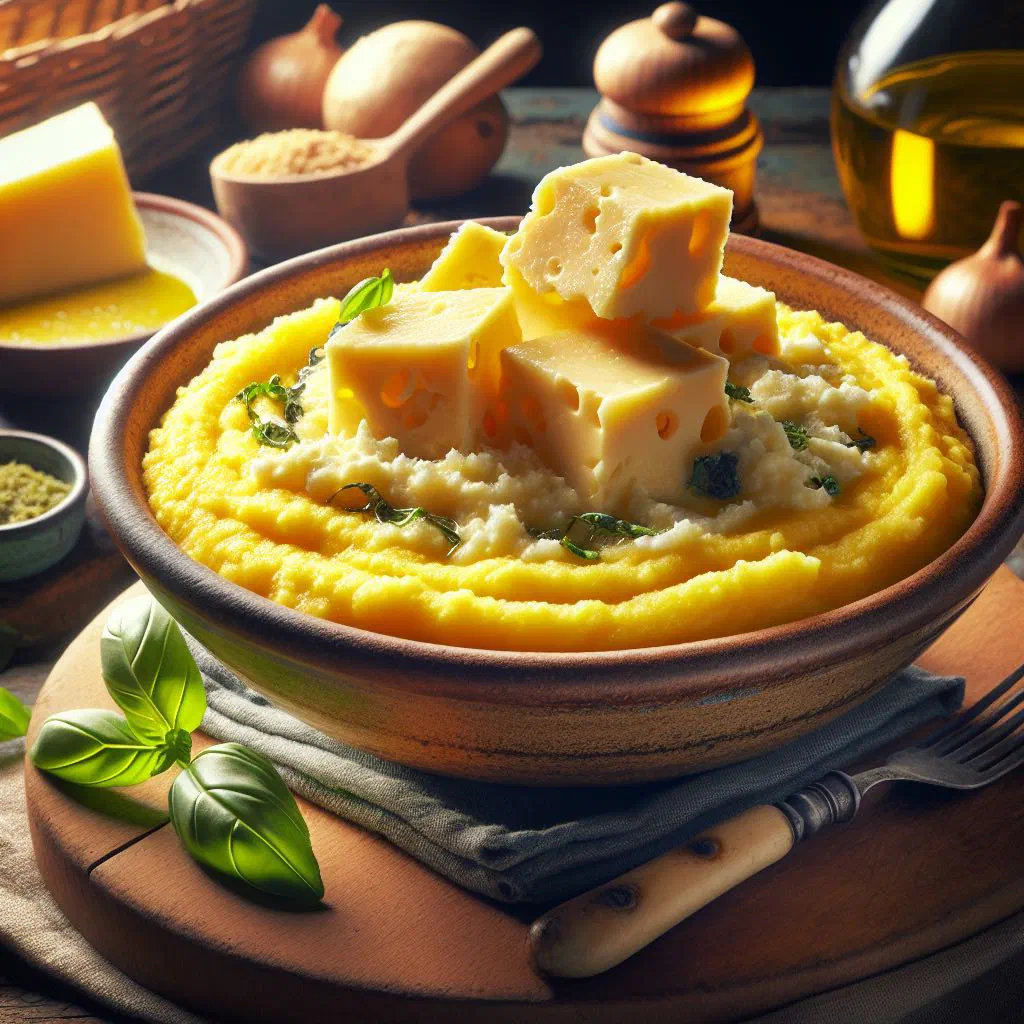
For the presentation of Polenta Ticinese, a shallow serving dish shows off the creamy cornmeal to best effect. Garnish with fresh herbs or a drizzle of olive oil for an appealing finish, and scatter over a few toasted nuts or seeds to add a pleasing crunch. Do not forget to serve it with a good piece of bread, such as a slice of Berner Butterzopf, to mop up every last bit.
A bit of history
The origins of polenta reach back to antiquity, when it was made from a variety of different grains. In Ticino, where Italian influence runs deep, polenta has become a cornerstone of the regional kitchen. It is a hearty meal and a symbol of the traditions and culture of the region, and many families guard their own recipes, passed down from one generation to the next. It sits proudly alongside other treasures of Swiss cuisine.
More recipe ideas
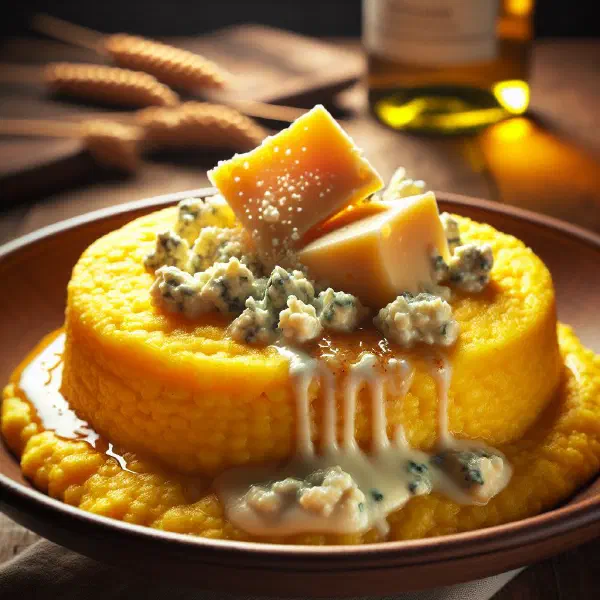
- Tessiner Polenta Mit Gorgonzola
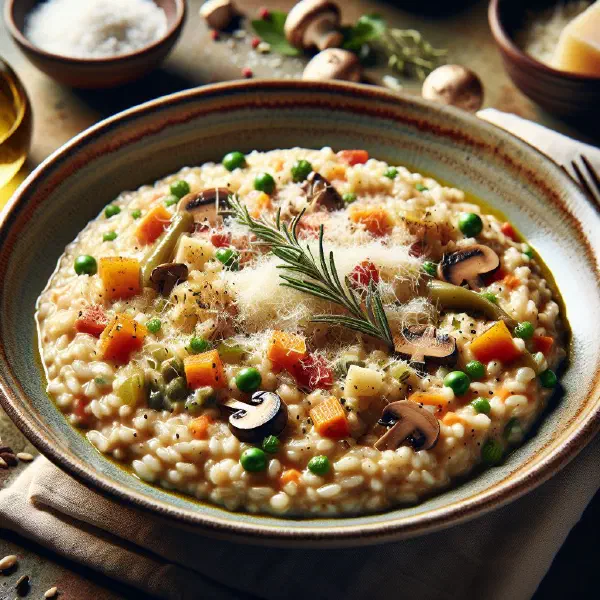
- Risotto Ticinese
- Tessiner Maronensuppe
- Aelpler Roesti
- Buendner Gerstensuppe
Summary: Polenta Ticinese
In short, Polenta Ticinese is a hearty and versatile dish that suits both easy-going evenings with friends and more festive occasions. With its regional ingredients and comforting flavours, it offers a real taste of Switzerland’s culinary heritage and lends itself to endless variation. It is sure to warm the hearts of your guests. Explore the possibilities and enjoy this delicious combination.