National Dish Switzerland: Risotto Ticinese (Recipe)
In this article
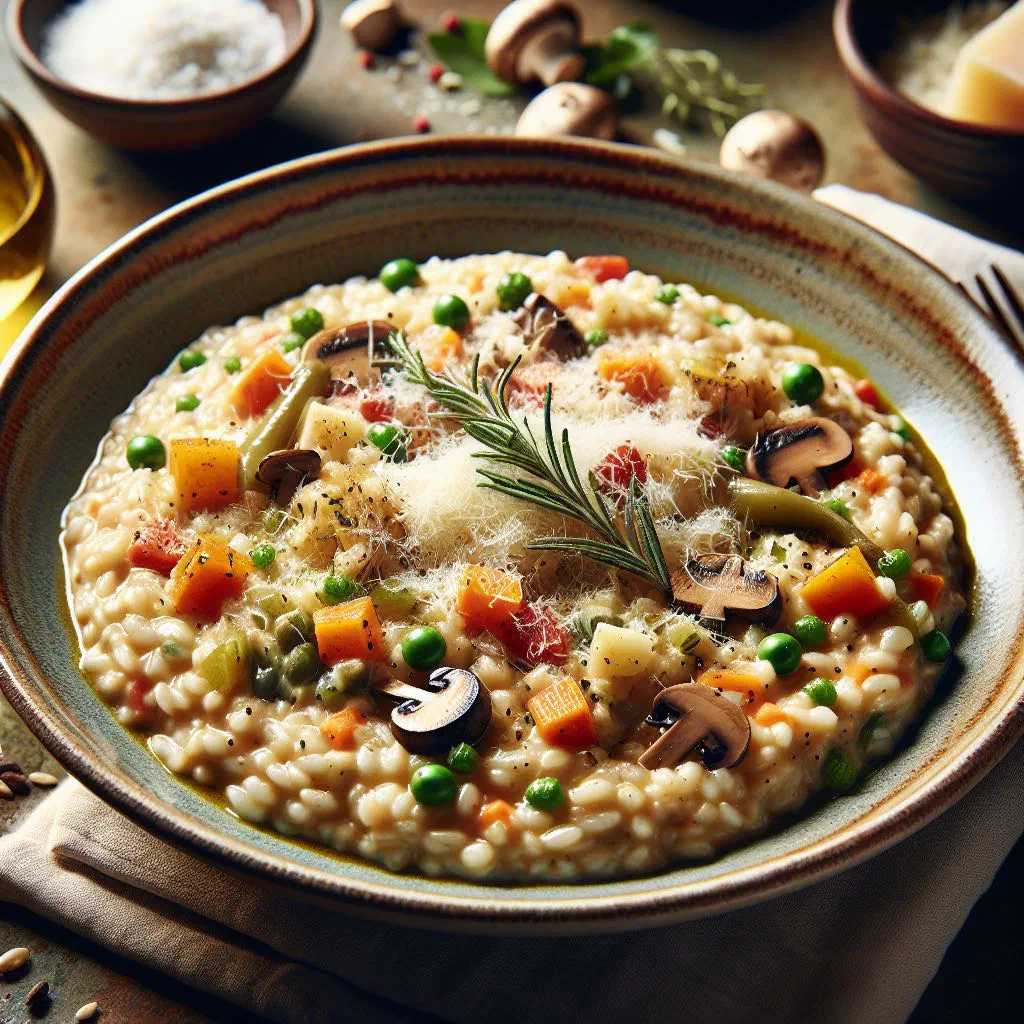
Discover Risotto Ticinese, a creamy celebration of southern Switzerland on a plate. This is more than a meal. It is a feast for the senses, marrying the silky texture of slowly cooked rice with fresh regional vegetables and mushrooms. Simmered patiently with warm stock, it takes on a depth and richness that turns a simple supper into something memorable. Bring the sunny, Mediterranean spirit of Ticino straight to your own kitchen.
About Risotto Ticinese
Risotto Ticinese is a much-loved highlight of the cooking of Ticino, Switzerland’s Italian-speaking canton, prized for its creamy texture and its generous use of fresh regional produce. At its heart is short-grain Arborio rice, cooked down slowly with aromatic vegetables and mushrooms. Traditionally it is made with stock, which lends the dish its unmistakable depth and flavour. A well-made risotto transforms an everyday meal into a true feast, and it sits comfortably alongside other Ticinese classics such as Polenta Ticinese.
Ingredients (serves 1–2)
- 150 g Arborio rice
- 1 small onion, finely diced
- 200 g fresh mushrooms, sliced
- 1 courgette, diced
- 750 ml vegetable stock
- 50 g Parmesan, grated
- 2 tablespoons olive oil
- Fresh herbs (such as parsley or basil), to garnish
Shopping for the ingredients
For a successful Risotto Ticinese, the choice of ingredients is decisive. Visit your local market or a well-stocked supermarket to find fresh, high-quality produce. Pay particular attention to fresh mushrooms and seasonal vegetables, as these have a real influence on the flavour of the finished dish. When buying the rice, reach for a proper risotto variety such as Arborio or Carnaroli to achieve the creaminess you are after.
Preparing the dish
Before you start cooking the risotto, it is important to prepare all the ingredients properly. Wash and cut the vegetables carefully so they cook evenly. The onion should be finely diced, as it provides the aromatic base of the risotto. Meanwhile, heat the stock in a separate pan so it is ready to use the moment you begin cooking the rice.
Step-by-step instructions
- Heat the olive oil in a large pan and sweat the onions until translucent.
- Add the mushrooms and fry briefly until lightly browned.
- Stir in the Arborio rice and toast for two minutes, stirring constantly, until it turns slightly translucent.
- Deglaze with a ladle of stock and let it simmer over medium heat.
- Keep adding more stock, a ladleful at a time, until the rice is al dente and creamy (about 18–20 minutes).
- Add the courgette during the final 5 minutes of cooking.
- Once cooked, stir through the grated Parmesan and let it rest briefly.
- Garnish with fresh herbs and serve.
Gluten-free / lactose-free version
For a gluten-free version of Risotto Ticinese, make sure the rice and the stock you use are gluten-free. As a rule, risotto rice and many vegetable stocks are naturally free from gluten. For the lactose-free version, simply swap the Parmesan for a lactose-free cheese or an alternative cheese product. That way, anyone with a corresponding food intolerance can enjoy the dish too.
Tips for vegans and vegetarians
To prepare Risotto Ticinese vegan, replace the Parmesan with a mixture of nutritional yeast and seasonings, which gives the dish a savoury, cheese-like flavour. Use vegetable stock as the base and add more fresh vegetables in place of any animal products to boost both flavour and nutrition. Delicious options include spinach, peas or roasted peppers. This keeps the dish tasty and fully in line with vegan and vegetarian requirements.
More tips and tricks
An important tip for a perfect risotto is to stir constantly throughout cooking. This encourages the rice to release its starch, which is what gives you that signature creamy consistency. It also pays to keep the stock warm while you work, as cold stock lengthens the cooking time and can spoil the result. For an extra flourish, stir in a splash of white wine at the end to intensify the flavour.
Adapting the recipe to your taste
Another advantage of Risotto Ticinese is its versatility. You can add all sorts of different vegetables, or even meat and fish, according to your mood. For a heartier dish, fold through some fried prawns or diced chicken breast, much as you would with the sausage in Tessiner Risotto Mit Luganighe. The range of herbs and spices is equally limitless: experiment with thyme, basil or oregano to give your risotto a personal touch.
Ingredient substitutions
If certain ingredients for Risotto Ticinese are not to hand, there are plenty of alternatives. Instead of Arborio rice, you can use Carnaroli or Vialone Nano, which share similar properties. Vegan cheeses can step in for the Parmesan, and dried mushrooms, soaked in water beforehand, work just as well as fresh ones. For a nuttier note, try finishing the dish with grated Sbrinz instead. The key is to stay creative and work with whatever you have.
Drink pairing ideas
To accompany Risotto Ticinese, lightly fruity white wines such as Chardonnay or Sauvignon Blanc work beautifully, complementing the flavours of the dish. Alternatively, a crisp Prosecco is a lovely match, especially when you are entertaining guests. For an alcohol-free option, offer a mix of sparkling water and lemon, or serve an aromatic herbal tea that brings out the flavours and aromas of the risotto.
Serving and presentation ideas
Presentation plays a big part in the Risotto Ticinese experience. Serve the risotto in deep white plates or bowls to highlight the contrast with the colourful ingredients. Garnished with fresh herbs or a slice of lemon, it looks especially inviting. You can also add a little extra Parmesan or a drizzle of olive oil as a final touch, making the dish not only delicious but attractive too.
A bit of history
Risotto has its roots in Italian cooking, with the Ticinese version distinguished by its specific local ingredients. In the canton of Ticino, strongly influenced by Mediterranean cuisine, risotto is often prepared with regional products such as mushrooms and vegetables. The tradition of risotto-making has been passed down over generations and is a firm fixture of Ticinese food culture, reflecting Switzerland’s love of nature and its fresh ingredients, the same spirit you find across Swiss cuisine.
More recipe ideas
- Risotto Mit Sbrinz
- Tessiner Risotto Mit Luganighe
- Polenta Ticinese
- Tessiner Minestrone
- Tessiner Polenta Mit Gorgonzola
Summary: Risotto Ticinese
In short, Risotto Ticinese is a genuine celebration of flavours and textures. With its creamy consistency and its variety of fresh ingredients, it offers a memorable taste experience. Whether for a family-friendly supper or a smart dinner with friends, this dish is always a good choice. Let the cooking of Ticino inspire you and enjoy preparing this traditional national favourite.