National Dish Syria: Basbousa (Recipe)
In this article
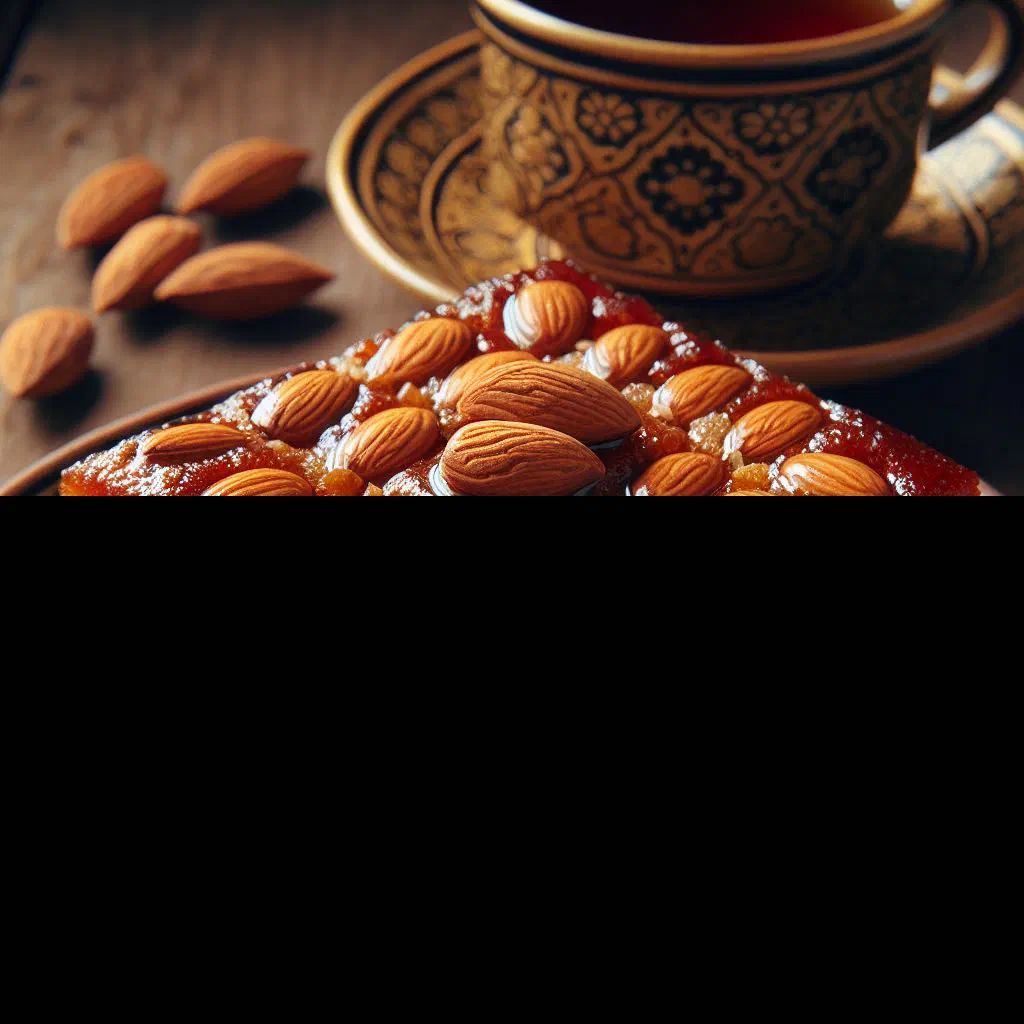
Meet Basbousa, the syrup-soaked semolina cake that brings a little of the Middle East straight to your table. Wonderfully moist and fragrant with almonds and sweet caramel notes, it is the kind of dessert that turns any gathering into a celebration. The ingredients are simple and the method forgiving, so you need no special baking skills to get a beautiful result. Bake one and fill your kitchen with the warm, honeyed aromas of a Syrian feast.
About Basbousa
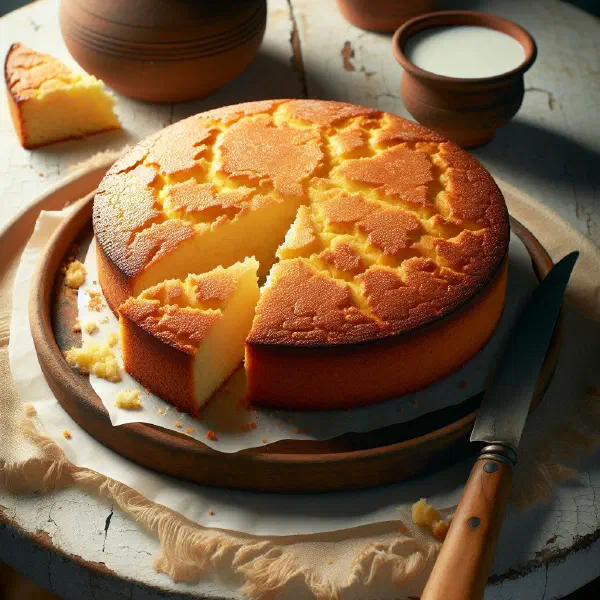
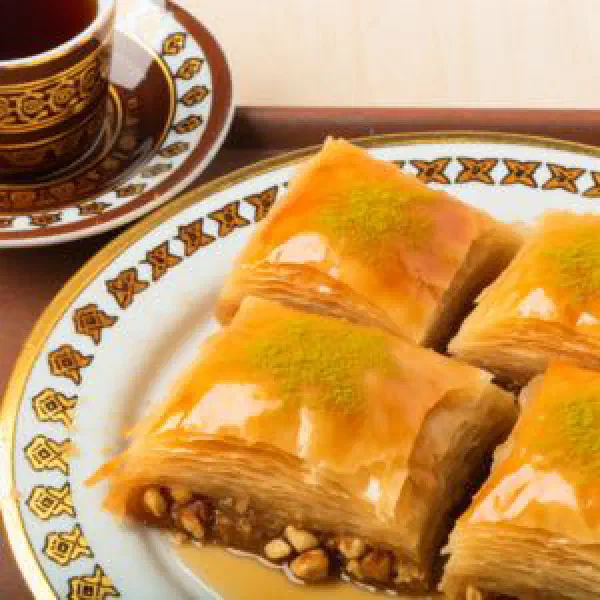
Basbousa is a moist semolina cake rooted in Arab cuisine and cherished across many countries of the Middle East. With its delicate almond and sweet caramel notes, it offers an incomparable taste experience. The ingredients are straightforward and the preparation calls for no great baking skill, which makes it an ideal dessert for festive occasions. Basbousa is a treat for the palate and a lovely addition to any celebratory table, much like the honeyed layers of a good Baklava.
Ingredients (serves 1–2)
- 150 g semolina
- 100 g sugar
- 200 ml yoghurt
- 50 g butter (melted)
- 1 teaspoon baking powder
- Almonds or walnuts, to decorate
- For the syrup: 200 ml water, 200 g sugar, 1 teaspoon lemon juice
Shopping for the ingredients
Before you start making basbousa, it is worth shopping carefully for everything you need. Fresh, good-quality almonds or walnuts matter most, as they give the cake its special character. Take care to choose semolina and sugar of the right quality so the finished cake turns out beautifully. Many of the ingredients are easy to find in Asian or Middle Eastern grocery shops, which makes the whole shopping trip that much simpler.
Preparing the dish
Preparing basbousa could hardly be easier. Start by measuring out all the ingredients and setting them within reach. This keeps the process smooth and ensures nothing gets forgotten. It helps to melt the butter in advance and to preheat the oven to 180 degrees Celsius, so the cake can go straight in as soon as the batter is ready.
Step-by-step instructions
- Mix the semolina, sugar, yoghurt, melted butter and baking powder together in a large bowl.
- Pour the finished batter into a greased baking tin and smooth the top.
- Decorate with almonds or walnuts, pressing them gently into the surface.
- Bake in the preheated oven for about 30–35 minutes until golden brown.
- While the cake bakes, make the syrup: bring the water and sugar to the boil, add the lemon juice and simmer for 10 minutes.
- Once baked, pour the hot syrup over the cake and leave it to cool completely.
Gluten-free / lactose-free version
Basbousa can just as easily be made gluten-free and lactose-free to suit every guest. Instead of wheat semolina, use a gluten-free semolina or a blend of almonds and coconut flour. For the lactose-free version, swap the yoghurt for a plant-based yoghurt or simply for water. Check the quality of your alternatives carefully to make sure the cake still turns out fluffy and delicious.
Tips for vegans and vegetarians
For anyone following a vegan lifestyle, basbousa adapts beautifully. Replace the butter with vegetable oil or vegan margarine, and swap the yoghurt for a plant-based alternative such as soya or coconut yoghurt. Done this way, the cake keeps its characteristic flavour while remaining suitable for everyone at the table.
More tips and tricks
To give basbousa a personal touch, experiment with different aromatics such as cardamom or orange zest to add a new dimension to the cake. You can also adjust the sweetness of the syrup to your taste by using a little less sugar. Above all, pour the syrup over the cake while both are still hot, so it soaks right into the crumb. That is the secret to keeping basbousa moist and aromatic.
Adapting the recipe to your taste
The basbousa recipe is easy to tailor to your own preferences. If you love nuts, fold in some chopped pistachios or walnuts as well. Alternatively, stir raisins or dried fruit into the batter. A few fragrant herbs such as mint can lend the dessert a refreshing lift and create interesting new flavour combinations.
Ingredient substitutions
If you do not have certain ingredients to hand, there are plenty of alternatives. In place of semolina, try polenta or oats, which offer a lovely texture of their own. The syrup can also be sweetened with honey or agave nectar for an interesting variation. When making any swaps, keep an eye on the consistency and the flavour of the finished cake, the same care that goes into a delicate Maamoul.
Drink pairing ideas
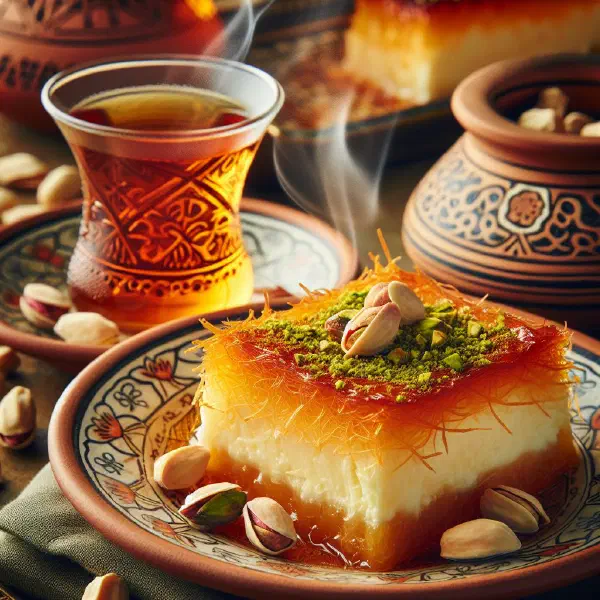
A range of drinks complements the sweet flavours of basbousa. A minty lime water or a fragrant Arabic tea pair wonderfully with the dessert. A fresh lemon or orange iced tea makes a refreshing accompaniment too. Consider serving the drinks lightly sweetened to round off the experience.
Serving and presentation ideas
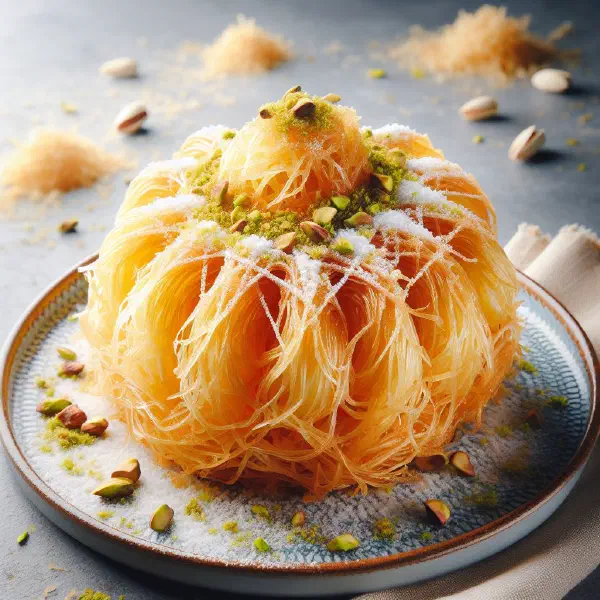
A thoughtful presentation makes basbousa even more appealing. Serve the cake in neatly cut diamonds on a pretty plate and garnish with fresh mint leaves or a dusting of cinnamon. A nicely decorated serving platter or a scattering of edible flowers can add a lovely accent. As you plate up, think about colours and textures to heighten the visual appeal, the kind of festive spread you might round out with a plate of Qatayef.
A bit of history
The history of basbousa reaches back to the ancient Middle East and has evolved over the centuries. The dessert goes by many names and takes many forms depending on the region where it is made; in some cultures it is known as hareeseh or namoura. Today basbousa is a traditional festival dish and a firm favourite in modern kitchens, sitting comfortably alongside other jewels of Syrian cuisine.
More recipe ideas
Summary: Basbousa
Basbousa is a versatile and delicious dessert with deep roots in the Arab world. The combination of tender semolina and a sweet syrup makes it a memorable treat. Whether for a special occasion or simply to indulge between meals, basbousa is always a good choice. Give it a try and bring a piece of Middle Eastern culture into your own home.