National Dish Syria: Fatayer (Recipe)

In this article
Meet Fatayer, Syria’s beloved savoury pastries and one of the Levant’s best-loved bites. These golden triangles of tender dough hide a fragrant filling of spinach and tangy feta, and they are just as happy at a mezze spread as they are packed into a lunchbox. This guide walks you through everything, from kneading the dough to shaping perfect parcels, along with clever swaps, serving ideas and a glimpse into the dish’s long history.
About Fatayer
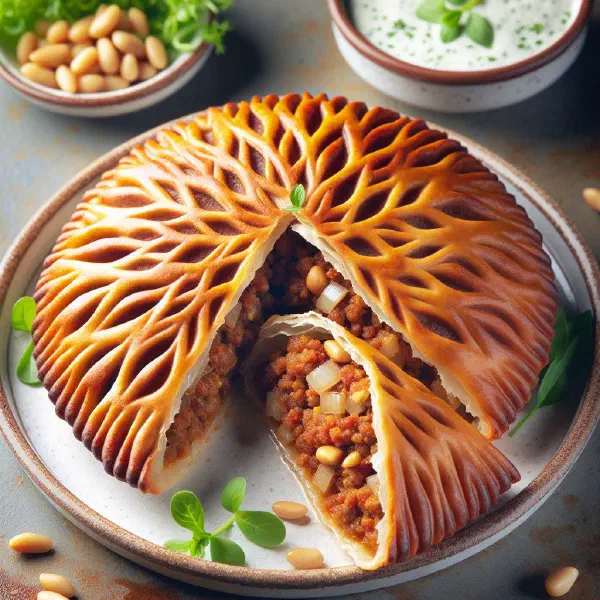
Fatayer are savoury stuffed pastries with their roots in Syrian and Levantine cooking. These delicious little parcels are a classic not only in Syria but across much of the Middle East, where they are adored in countless variations. They win people over with a wonderful range of fillings, from fresh spinach to tangy cheese to hearty minced meat, much like their cousins Sambousek. The result is a very good flavour experience every single time. Whether as a snack between meals, an elegant starter or a satisfying main course, fatayer are always a good choice and can be prepared well in advance.
Ingredients (serves 1–2)
- 250 g plain flour
- 125 ml water
- 1 teaspoon salt
- 2 tablespoons oil
- 150 g spinach (fresh or frozen)
- 100 g feta cheese
- 1 onion
- Pepper to taste
Shopping for the ingredients
Most of the ingredients for fatayer are easy to find in any well-stocked supermarket. For a particularly authentic flavour, a trip to a Turkish or Middle Eastern grocery is well worth it. Fresh spinach is the first choice here, as it is noticeably more aromatic than the frozen kind. When buying feta cheese, look for good quality. It should be pleasantly creamy and full of flavour. Check your store cupboard before you head out so nothing is missing and you can get started without a hitch.
Preparing the dish
Once all the ingredients are laid out, it is time to prepare the filling. Finely chop the onion, then wash the spinach thoroughly and let it drain. If you are using frozen spinach, defrost it in good time and squeeze out every bit of excess water. This is crucial to stop the fatayer turning soggy later on. These small steps guarantee a perfect, not-too-wet filling and make shaping the pastries far easier.
Step-by-step instructions
- Put the flour, water, salt and oil in a bowl and knead into a smooth, supple dough.
- Cover the dough and let it rest for about 30 minutes so it becomes easy to work with.
- Meanwhile, sauté the onion in a little oil in a pan until translucent, then add the spinach and cook until it wilts.
- Season the mixture with pepper and, if you like, a little sumac or lemon juice, then leave it to cool completely.
- Crumble the feta and gently fold it into the cooled spinach mixture.
- Roll the dough out thinly on a floured surface and cut it into circles about 10 cm across (a glass or pastry cutter works well).
- Place 1–2 teaspoons of filling in the centre of each circle, moisten the edges with water and press them firmly together — traditionally shaped into a triangle.
- Arrange the fatayer on a baking tray lined with baking paper and bake in a preheated oven at 180 °C (conventional heat) for 20–25 minutes until golden brown.
Gluten-free / lactose-free version
For a gluten-free version, simply replace the wheat flour with a gluten-free flour blend (one containing a binder such as xanthan gum), the dough stays similarly elastic. For a lactose-free take, swap the feta for a lactose-free cheese alternative or finely diced, well-drained tofu. A few extra herbs and spices balance the flavour perfectly, so nobody will notice the difference.
Tips for vegans and vegetarians
Vegans can simply replace the feta with a homemade cashew cream (soak cashews, blend them and season with nutritional yeast, garlic and lemon juice) or a plant-based feta alternative. Fresh herbs such as dill, mint or parsley intensify the aroma beautifully. Vegetarians can add finely sliced mushrooms, peppers or courgette to the spinach filling, creating ever new, colourful variations.
More tips and tricks
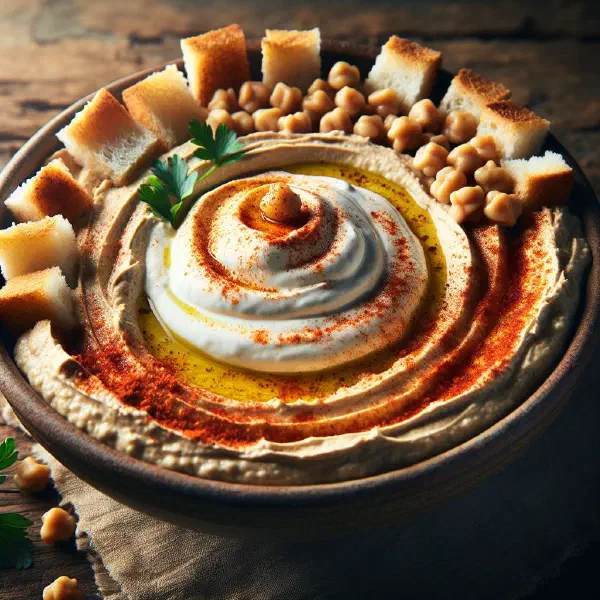
Do not overfill the pastries, or they may burst open in the oven. Make sure to preheat the oven in good time so the fatayer bake up evenly crisp and golden brown. For parties or guests, you can bake the pastries the day before and keep them warm in the oven at 100 °C shortly before serving. Serve them warm with a fresh yoghurt dip, tahini or a fiery harissa sauce. It lifts the flavour to a whole new level, and a bowl of creamy Hummus alongside never goes amiss.
Adapting the recipe to your taste
Fatayer are wonderfully adaptable and can be varied to suit your taste and the season. Try fresh herbs in the filling in summer, or pumpkin in autumn. The spices are yours to play with too, cumin, sumac or a pinch of chilli always bring out new nuances. Even the shape of the parcels can be creative: the classic triangle, round or crescent-shaped, let your imagination run free.
Ingredient substitutions
Instead of spinach, chard, rocket or a mix of different leafy greens work brilliantly. For the cheese filling you can use ricotta, sheep’s cheese or a vegan cheese alternative. If you want more protein, simply stir cooked chickpeas or lentils into the filling. These small swaps keep things interesting and make the recipe even more nutritious.
Drink pairing ideas
A classic mint tea, served hot or cold, is the traditional partner for fatayer. For something more refreshing, try a zesty lemon and ginger juice or a homemade ayran with a touch of dill. A cool yoghurt drink with cucumber and mint also harmonises beautifully and has a lovely cooling effect against the savoury pastries.
Serving and presentation ideas
Arrange the hot fatayer on a large rustic wooden board or a beautiful ceramic platter. Fresh herbs such as parsley or mint and a scatter of pomegranate seeds add colour and freshness as a garnish. Set out small bowls with a selection of dips (yoghurt, tahini, a spicy sauce). It not only looks inviting but turns the meal into an interactive experience. Your plate will be a real showstopper.
A bit of history
Fatayer have been part of the traditional cooking of Syria and the wider Middle East for centuries. They were originally made by nomads and farmers as a practical, portable and nourishing meal. Over time, each region developed its own variations and fillings, reflecting local ingredients and preferences, the meat-topped Sfiha is a close relative from the same family of pastries. Today, fatayer stand as a symbol of warm hospitality and the aromatic richness of Syrian cuisine.
More recipe ideas
- Shawarma — marinated, grilled meat traditionally served in flatbread.
- Tabbouleh — a refreshing parsley salad made with bulgur and tomatoes.
- Manakish — flatbreads topped with za’atar, cheese or minced meat.
- Lahm Bi Ajeen — thin dough rounds baked with a spiced meat topping.
Summary: Fatayer
Fatayer are a wonderful way to get to know the aromatic cooking of Syria. With their versatile fillings and straightforward preparation, they suit any occasion, from a cosy family dinner to a lively gathering with guests. Give this recipe a try, experiment with your own variations and enjoy a taste of the Levant in your own home.